
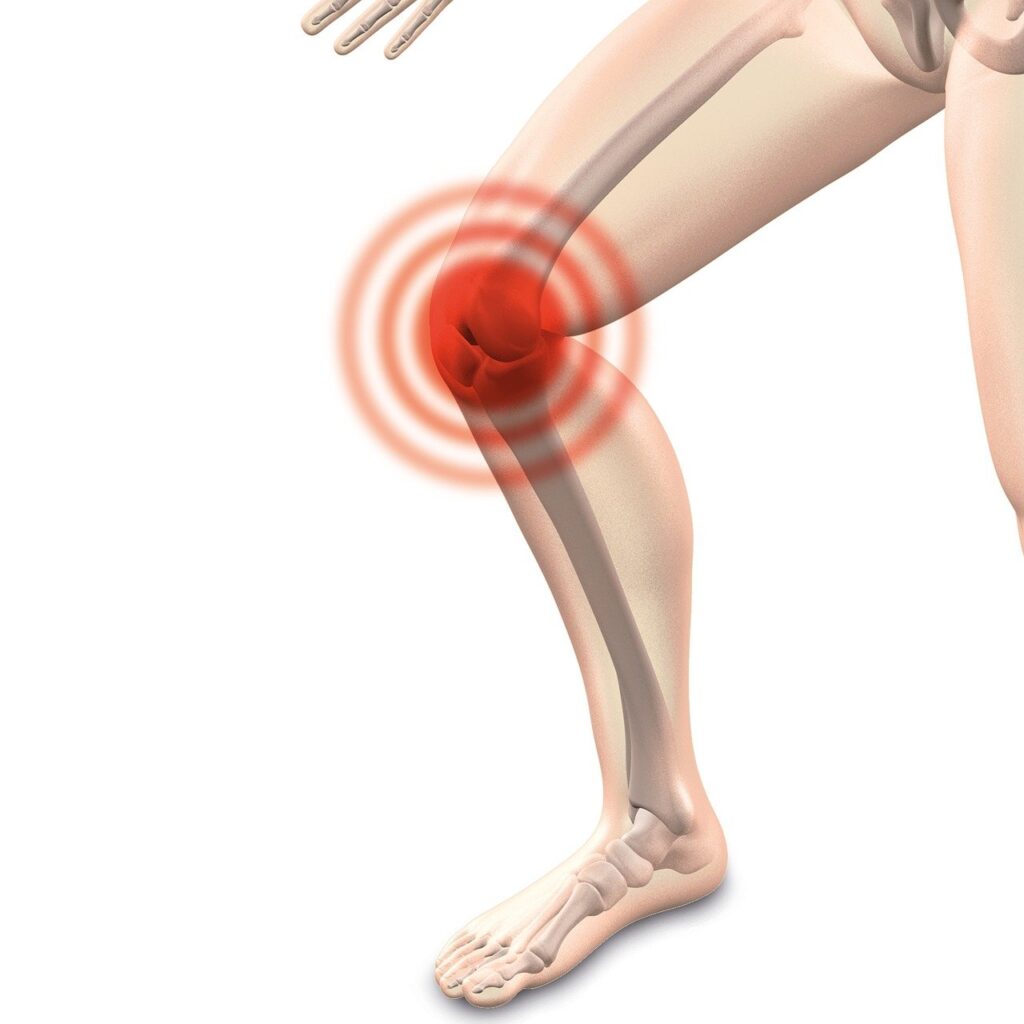
For generations, the prevailing narrative surrounding osteoarthritis (OA) has been one of mechanical failure. We have visualized the knee joint as a tire that slowly loses its tread over miles of use, or a machine part that rusts and wears down with age. This “wear and tear” model suggests that cartilage degradation is inevitable, purely physical, and largely irreversible. Consequently, treatments have focused almost exclusively on managing the mechanical fallout: lubricating the joint with injections, bracing it for stability, or ultimately, replacing the worn-out parts with metal and plastic.
While mechanical stress is undeniably a factor, this traditional view is incomplete. It fails to explain why some people with severe X-ray damage feel little pain, while others with mild damage suffer agony. It doesn’t account for the warmth, swelling, and night pain that characterize the condition. Most importantly, it ignores a critical biological reality: the knee is a living organ, not just a hinge.
Emerging research has illuminated a new paradigm that is reshaping our understanding of joint disease: The Vascular Theory of Osteoarthritis. This theory posits that vascular pathology—specifically, abnormal blood flow and the formation of new, dysfunctional blood vessels—is not merely a bystander in OA but an active driver of its progression and pain.
At Fox Vein and Vascular in Manhattan, Dr. David Fox is pioneering the application of this theory to patient care. By recognizing that osteoarthritis is, in part, a vascular disease, we can offer targeted treatments like Genicular Artery Embolization (GAE) that address the biological root of the problem. This article delves deep into the vascular mechanisms of OA, exploring how blood flow fuels joint destruction and how correcting it can change the trajectory of the disease.
Beyond Wear and Tear: Reframing Osteoarthritis
To understand the vascular theory, we must first look at the environment of the knee joint. The joint is encapsulated by the synovium, a thin, delicate membrane responsible for producing synovial fluid to nourish cartilage and lubricate movement. In a healthy knee, the synovium is calm, and its blood supply is modest and highly regulated.
The traditional view holds that cartilage damage comes first, caused by injury or overuse. This damage releases debris, which irritates the synovium, causing secondary inflammation.
The vascular theory flips this script or, at the very least, suggests a parallel and equally destructive pathway. It proposes that vascular changes may occur early in the disease process, perhaps even before significant cartilage loss is visible. It suggests that the health of the bone and the synovium—both of which are rich in blood vessels—dictates the health of the cartilage. When the vascular supply to these tissues becomes deranged, the entire joint ecosystem collapses.
Angiogenesis: When Healing Goes Wrong
The cornerstone of the vascular theory is a process called angiogenesis—the growth of new blood vessels from existing ones. In normal physiology, angiogenesis is a healing miracle. It helps repair wounds and restore blood flow to damaged tissues. However, in osteoarthritis, this healing mechanism gets stuck in overdrive, becoming pathological.
The Trigger
The process begins with inflammation. Whether triggered by initial cartilage micro-damage, obesity (which creates a systemic inflammatory state), or metabolic factors, the synovium becomes inflamed (synovitis). The inflamed tissue becomes hypoxic—it is starved of oxygen because its metabolic demands outstrip its normal blood supply.
The Response
To survive this hypoxic state, the synovial cells release potent chemical signals, such as Vascular Endothelial Growth Factor (VEGF). These signals scream for more blood. In response, the nearby genicular arteries sprout new branches.
The Consequence: Hypervascularity
This results in hypervascularity—an explosive growth of tiny, abnormal blood vessels invading the synovium and even the underlying bone. Unlike healthy vessels, which are organized and efficient, these new vessels are immature, leaky, and disorganized.
This vascular invasion transforms the synovium from a thin, protective lining into a thick, angry, blood-gorged tissue. Instead of resolving the inflammation, this excess blood flow fuels it, delivering a constant torrent of inflammatory cells that attack the joint tissues. This is the vascular tipping point where a mechanical issue becomes a progressive biological disease.
The Triad of Destruction: Angiogenesis, Inflammation, and Pain
The vascular theory explains how three distinct elements—new blood vessels, inflammation, and nerve growth—work together to destroy the joint. This is often referred to as the neuro-vascular link.
1. Fueling the Fire (Inflammation)
The new, leaky blood vessels created during angiogenesis are permeable. They allow fluids, immune cells, and inflammatory proteins (cytokines) to seep easily into the joint space. This turns the knee into a toxic bath of inflammation. These chemicals degrade the cartilage matrix, softening it and making it more susceptible to mechanical wear. Thus, vascular changes directly accelerate the physical breakdown of the joint.
2. Wiring the Joint for Pain (Nerve Growth)
Crucially, blood vessels and nerves are biologically linked. They follow the same molecular cues and grow in tandem. Where new blood vessels grow, new nerve fibers follow.
In the osteoarthritic knee, this means that sensory nerves grow deep into tissues where they shouldn’t be, such as the inner layers of the synovium and even the subchondral bone (the bone layer just beneath the cartilage). This process, called neo-innervation, essentially “wires” the joint for pain. It explains why OA pain becomes chronic and sensitized—the joint now has physically more pain receptors than a healthy knee, and they are constantly bathed in inflammatory chemicals delivered by the hypervascular network.
3. Compromising the Foundation (Bone Edema)
The vascular pathology isn’t limited to the soft tissues; it extends into the bone itself. The same vascular congestion that affects the synovium can increase pressure within the bone marrow. This leads to bone marrow lesions (often seen as “bone edema” on MRI scans). These lesions are strongly correlated with pain and are a predictor of rapid cartilage loss. The high pressure within the bone compromises its structural integrity, leading to micro-fractures and collapse, further destroying the overlying cartilage.
The Clinical Picture: Signs of Vascular Involvement
If you are suffering from knee osteoarthritis, you may recognize the symptoms of this vascular progression. It presents differently than simple mechanical pain.
- Rest Pain and Night Pain: Mechanical pain usually stops when you stop moving. Vascular-mediated pain often throbs or aches even when you are lying in bed. This is due to the venous congestion and active inflammation fueled by the abnormal blood flow.
- Morning Stiffness: The leakage of fluid from the abnormal vessels accumulates overnight, leading to significant stiffness that takes time to “work out” in the morning.
- Warmth and Swelling: A knee that feels hot to the touch or remains persistently swollen is a knee with active hypervascularity and synovitis.
- Sudden Flare-ups: The unstable nature of these new blood vessels means symptoms can flare unpredictably, often unrelated to activity levels.
Recognizing these signs is critical because they suggest that standard mechanical treatments (like bracing or lubricating injections) may fail because they do not address the underlying vascular driver. To determine if your pain has a vascular component, consider scheduling an evaluation at foxvein.com. For additional details on how vascular issues can affect osteoarthritis and your options for relief, visit foxvein.com for in-depth resources.
Genicular Artery Embolization: Treating the Vascular Cause
The acceptance of the vascular theory has profound implications for treatment. If abnormal blood flow is driving the disease, then correcting that blood flow should halt the progression and relieve the pain. This is the logic behind Genicular Artery Embolization (GAE).
GAE is a minimally invasive procedure that specifically targets the pathological angiogenesis described in the vascular theory. It is not a pain-masking technique; it is a disease-modifying intervention.
How GAE Intervenes
During GAE, Dr. Fox uses advanced imaging to map the genicular arteries. In a patient with active vascular OA, the angiogram reveals the specific areas of hypervascularity—the “blush” of new, messy vessels feeding the synovitis.
By injecting microscopic embolic particles into these specific vessels, GAE prunes back this abnormal growth. It effectively shuts down the “fuel lines” that are supplying the inflammation.
The Biological Reset
The impact of GAE aligns perfectly with the principles of the vascular theory:
- Halting Inflammatory Influx: By blocking the leaky vessels, GAE stops the constant delivery of inflammatory cells to the joint.
- Reducing Interosseous Pressure: Reducing arterial inflow can decrease the high pressure within the bone marrow, resolving bone edema and protecting the subchondral bone.
- Depriving Nerves: When the abnormal blood vessels regress, the accompanying new nerve fibers also tend to retreat or become less active, reducing the physical capacity of the joint to transmit pain signals.
- Slowing Progression: By resolving the toxic inflammatory environment, GAE may slow the enzymatic breakdown of the remaining cartilage. While it cannot regrow cartilage that is already lost, it can help preserve what remains by restoring a healthier joint ecosystem.
Research has shown that patients who undergo GAE often experience durable pain relief lasting 12 to 24 months or more. This longevity makes sense when viewed through the vascular lens: we haven’t just numbed the nerve; we have structurally altered the vascular supply that was driving the disease state. For further information on vascular approaches to osteoarthritis, visit foxvein.com. Learn more about the long-term benefits of GAE treatment.
Why This Matters for Patients
For decades, patients have been told that their only options were to manage symptoms until their knee was “bad enough” for replacement. The vascular theory offers a new, hopeful middle ground. It suggests that there is a treatable biological target—hypervascularity—that can be addressed safely and effectively without major surgery.
This is particularly relevant for the “gap” patients: those who have moderate to severe pain but are too young, active, or medically compromised for a total knee replacement. For these individuals, addressing the vascular component of their OA can provide years of relief and improved function.
It also highlights the importance of early intervention. If vascular changes drive progression, then treating the hypervascularity early—before the cartilage is completely destroyed—could theoretically change the natural history of the disease.
A New Era of Knee Preservation
The Vascular Theory of Osteoarthritis Progression is more than just academic science; it is a practical roadmap for better patient care. It moves us away from a passive “wait and replace” mentality toward an active “treat and preserve” approach.
At Fox Vein and Vascular, we are proud to be at the leading edge of this shift. Dr. David Fox’s expertise in vascular dynamics allows him to diagnose and treat the circulatory roots of knee pain that other specialists might miss. By integrating vascular health into orthopedic care, we provide a more comprehensive solution for chronic pain.
If you suspect that your knee pain is more than just wear and tear—if you have the throbbing, swelling, and night pain characteristic of vascular involvement—it is time to explore a different approach. Don’t wait for the joint to fail completely. Address the vascular engine driving the destruction.
Contact us today to find out if Genicular Artery Embolization is the right step for your knee health.
Fox Vein and Vascular – Manhattan, NY
(212) 362-3470
foxvein.com
Leading Manhattan Vascular & Vein Specialist
At Fox Vein Care, we provide state-of-the-art vascular and venous treatments, combining advanced diagnostic technology with minimally invasive procedures that prioritize comfort, safety, and outstanding results.
Contact Us