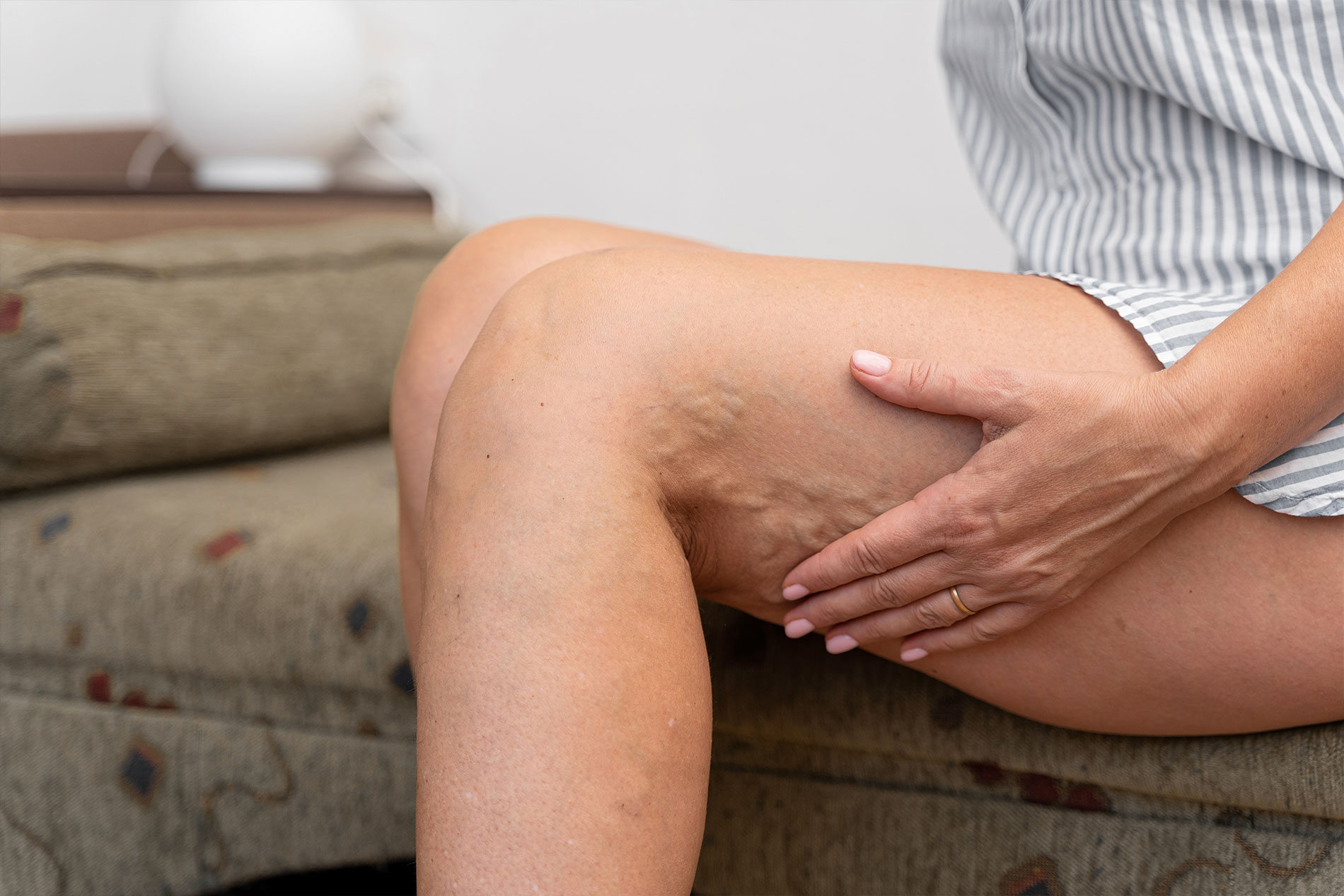

When you’re diagnosed with Peripheral Arterial Disease (PAD), the very act of moving can be painful. The hallmark symptom of PAD, claudication, is muscle pain or cramping in the legs that occurs during activity like walking. It’s a frustrating and disheartening experience, and the natural instinct is often to move less to avoid the discomfort. However, one of the most powerful tools for fighting the progression of PAD is, paradoxically, the very thing that causes the pain: exercise.
Regular, structured physical activity is a cornerstone of effective PAD management. While it may seem counterintuitive to walk when walking hurts, exercise is one of the most effective non-invasive treatments for improving symptoms and slowing the disease process. It works by training your body to be more efficient with the oxygen it receives and by encouraging the growth of new blood vessels, creating natural bypasses around blockages.
At Fox Vein and Vascular, we believe in a comprehensive approach to Peripheral Arterial Disease treatment. While we offer state-of-the-art minimally invasive procedures to restore blood flow, we know that long-term success hinges on lifestyle modifications, with exercise at the top of the list. This guide will explain the science behind why exercise is so beneficial, detail the gold-standard walking programs for PAD, and provide practical tips for getting started safely.
How Exercise Rewires Your Circulation
The pain of claudication is a direct result of poor blood flow in legs. When you exercise, your muscles demand more oxygen than your blocked leg arteries can supply. This oxygen deficit leads to a buildup of metabolic waste products, which triggers pain signals. The magic of exercise is that it forces your body to adapt to this very problem.
Building a Natural Bypass: Angiogenesis
The most remarkable benefit of regular exercise for PAD is its ability to stimulate angiogenesis—the growth of new blood vessels. When you consistently walk to the point of pain, the oxygen-starved tissues send out chemical signals (growth factors) that tell the body to create new, tiny blood vessels. These small vessels, called collateral arteries, form a network that can bypass the main blocked artery.
Think of it as your body building its own natural detours around a major highway traffic jam. Over time, these collateral vessels can grow large enough to deliver a significant amount of blood to your lower leg and foot muscles, even though the primary blockage remains. This is why, after several months of consistent exercise, many patients find they can walk farther and with less pain, even without any procedural intervention.
Improving Muscle Efficiency
Exercise also trains your muscle cells to become more efficient at using the limited oxygen they receive. Your muscles adapt by increasing the number and function of mitochondria, which are the tiny powerhouses inside cells that use oxygen to create energy. With more efficient mitochondria, your muscles can do more work with less oxygen, allowing you to walk farther before the oxygen deficit becomes painful.
Enhancing Endothelial Function
Atherosclerosis, the root cause of PAD, is associated with a damaged inner artery lining (endothelium). A healthy endothelium produces nitric oxide, a molecule that helps arteries relax and widen, improving blood flow. Exercise has been shown to improve endothelial function and increase nitric oxide production. This helps the existing arteries, both large and small, to function better and deliver blood more effectively.
Reducing Inflammation and Other Risk Factors
Exercise is a powerful anti-inflammatory. Since atherosclerosis is an inflammatory disease, regular physical activity helps to calm the underlying process that contributes to plaque growth. Furthermore, exercise helps manage nearly all the other major risk factors for peripheral artery disease:
- It helps lower blood pressure.
- It improves cholesterol levels, raising “good” HDL and lowering “bad” LDL.
- It increases insulin sensitivity, helping to control blood sugar in diabetic patients.
- It aids in weight management, reducing the overall strain on your cardiovascular system.
Supervised Exercise Therapy: The Gold-Standard Approach
While any walking is better than none, the most effective exercise regimen for PAD is Supervised Exercise Therapy (SET). This is a structured, doctor-prescribed program conducted in a medical setting. SET is considered the first-line treatment for claudication by most major medical societies, and it is often covered by insurance.
What Does a SET Program Involve?
A typical SET program consists of sessions three times a week for 12 weeks. Each session is overseen by a trained therapist or clinician and follows a specific protocol:
- Warm-up: Gentle stretching and slow walking for a few minutes.
- Walk-Pain-Rest Cycle: This is the core of the therapy. You will walk on a treadmill at a set speed and incline until you experience moderate claudication pain (a level of 3-4 on a 5-point scale).
- Rest: As soon as you reach that level of pain, you stop and rest until the pain subsides completely.
- Repeat: You then repeat this walk-pain-rest cycle for the duration of the session, typically aiming for 30-50 minutes of total walking time.
- Cool-down: The session ends with more stretching and slow walking.
Why is Supervision So Important?
The “supervised” aspect of SET is what makes it so effective.
- Pushing Past Comfort Zones: The key to stimulating collateral vessel growth is to walk to the point of pain. Many people, when walking on their own, will stop as soon as they feel the first twinge of discomfort. A therapist encourages you to push through to a moderate pain level safely, maximizing the therapeutic benefit of each session.
- Safety: Patients with PAD often have co-existing heart disease. Exercising in a monitored setting ensures your heart rate and blood pressure are within a safe range.
- Progressive Challenge: As your walking ability improves, the therapist will increase the speed or incline of the treadmill to ensure you are always challenging your body to adapt further.
- Accountability and Motivation: Sticking with an exercise program can be difficult, especially when it involves discomfort. The structure and support of a formal program provide the motivation and accountability needed for success.
Studies have shown that patients who complete a SET program can often double their pain-free walking distance and significantly improve their overall quality of life.
Starting an Exercise Routine on Your Own
If a supervised program isn’t accessible, a structured home-based walking program can still be very beneficial. However, it is crucial to consult with your vascular specialist before you begin. A PAD specialist like Dr. Fox can perform a thorough evaluation, including an Ankle-Brachial Index (ABI) and Duplex Ultrasound in our vascular lab in Manhattan, to ensure you are a safe candidate for exercise.
Tips for a Safe and Effective Home Program:
- Get Cleared by Your Doctor: This is the most important first step. Your doctor can rule out any other conditions and confirm that your heart is healthy enough for exercise.
- Invest in Good Shoes: Proper footwear that is comfortable and supportive is essential to prevent blisters or sores, which can be dangerous for someone with PAD, especially if they have a diabetic foot ulcer/wound.
- Follow the Walk-Pain-Rest Protocol: Mimic the structure of a SET program. Walk at a moderate pace until you feel moderate leg pain. Stop and rest until the pain is gone. Then, start again.
- Track Your Progress: Keep a simple log of how long you can walk before pain starts and how many walk/rest cycles you complete each session. This will help you stay motivated as you see the numbers improve over time.
- Start Slow and Be Consistent: Aim for 30-45 minutes of walking, three to five days a week. It’s better to be consistent with shorter sessions than to overdo it once a week.
- Listen to Your Body: Never exercise through severe pain. Moderate pain is the goal. Also, if you experience chest pain, dizziness, or shortness of breath, stop immediately and contact your doctor.
When Exercise Isn’t Enough: The Role of Advanced Treatments
Exercise is a powerful therapy, but it is not a cure for the underlying blockages. The atherosclerotic plaque that is causing the arterial disease is still there. For patients with more advanced symptoms, such as ischemic rest pain (pain at rest) or non-healing wounds, exercise alone is not sufficient. In these cases, restoring blood flow through a medical procedure is necessary.
At Fox Vein and Vascular, we see exercise and procedural interventions as partners, not competitors.
- Procedure First, Then Exercise: For a patient with a leg ulcer or severe claudication that makes walking more than a few feet impossible, a procedure is needed first. By performing a minimally invasive treatment for PAD, such as an atherectomy procedure or angioplasty for PAD, we can open the blocked artery and immediately improve blood flow. This provides the patient with enough pain relief to be able to start an effective exercise program.
- Exercise to Maintain Results: After a successful stenting for PAD or other intervention, a regular exercise program is critical for maintaining the results. Exercise helps keep the treated vessel open and encourages the development of collateral circulation, which provides a “backup system” in case of future narrowing. More information about our comprehensive approach to amputation prevention can be found here: Fox Vein and Vascular PAD Treatment.
The expertise used in these limb-saving procedures is also being applied to other conditions. For example, for patients with knee osteoarthritis, Genicular Artery Embolization (GAE) offers a non-surgical knee pain relief option. This GAE procedure blocks tiny arteries causing inflammation in the knee, showing the versatility of modern vascular techniques.
Your Path to Better Mobility Starts Today
Living with the pain of PAD can feel isolating and restrictive. It can make you feel like your world is shrinking. But you have the power to fight back, and one of the most effective weapons in your arsenal is your own two feet. Exercise is a proven, effective therapy that can reduce your pain, increase your walking distance, and improve your overall cardiovascular health.
Whether you start with a supervised program or a structured home plan, the key is to begin. Combining a consistent exercise routine with expert medical care from a vascular surgeon in Manhattan provides the most comprehensive and successful strategy for managing PAD. We are proud to help patients from the 5 Boroughs, Nassau, Suffolk, South Western Ct., and North East NJ reclaim their mobility.
Don’t let leg pain dictate your life. Take the first step.
Schedule a consultation with Dr. Fox to discuss how exercise and modern treatments can get you back on your feet and moving freely.
Fox Vein and Vascular – Manhattan, NY
📞 (212) 362-3470
🌐 foxvein.com
📍 1041 Third Avenue, New York, NY 10065
Leading Manhattan Vascular & Vein Specialist
At Fox Vein Care, we provide state-of-the-art vascular and venous treatments, combining advanced diagnostic technology with minimally invasive procedures that prioritize comfort, safety, and outstanding results.
Contact Us