When we think about our health, we often focus on lifestyle choices like diet and exercise. While these factors are incredibly important, they don’t tell the whole story. Our genetic makeup and family history play a significant role in our predisposition to certain medical conditions. One such condition, which affects millions but is often overlooked, is Peripheral Arterial Disease (PAD). If your parents, grandparents, or siblings have struggled with vascular issues, you might be wondering if you are destined for the same fate.
Understanding the link between your genes and PAD is the first step toward proactive health management and preventing serious complications. If you’re searching for more detailed information about PAD, including its causes and risk factors, the Fox Vein & Vascular site offers comprehensive resources.
You can also learn about advanced diagnostic and treatment options for PAD available in Manhattan, helping you make informed decisions for your vascular health.
Peripheral Arterial Disease is a condition where the arteries supplying blood to your limbs, most commonly the legs, become narrowed or blocked. This blockage is caused by atherosclerosis, a buildup of plaque made from cholesterol and other substances. When blood flow is restricted, your muscles and tissues don’t get the oxygen they need, leading to symptoms that can range from mild discomfort to severe, debilitating pain. For those with a family history of vascular problems, understanding your personal risk is not just a matter of curiosity—it’s a critical component of long-term health. This guide will explore the role of genetics in PAD, detail the symptoms and risk factors you should know, and provide actionable steps you can take to protect your vascular health, especially if you have a known family predisposition. To read more about advanced vascular treatments, see minimally invasive treatment options at Fox Vein and Vascular.
Understanding Peripheral Arterial Disease (PAD)
Before diving into the genetic component, it’s essential to have a clear understanding of what PAD is and how it affects the body. PAD is a type of arterial disease that impacts the peripheral circulation system, which includes the arteries outside of your heart and brain. Think of your arteries as a complex network of highways delivering oxygen-rich blood to every part of your body. In a healthy person, these highways are wide open, allowing for smooth and efficient transport.
With PAD, these highways develop roadblocks. The condition is a manifestation of systemic atherosclerosis, meaning the same plaque buildup happening in your legs could also be occurring in the arteries leading to your heart or brain. This is why a PAD diagnosis is often considered a red flag for a higher risk of heart attack and stroke. The progression of PAD can be gradual, and many people dismiss early symptoms as normal signs of aging, which is a dangerous misconception.
The Stages and Symptoms of PAD
The symptoms of Peripheral Arterial Disease can vary widely depending on the severity of the blockage. Many individuals have no symptoms in the early stages, making routine screening crucial for those at high risk. As the disease progresses, however, symptoms become more noticeable.
Early to Moderate PAD Symptoms:
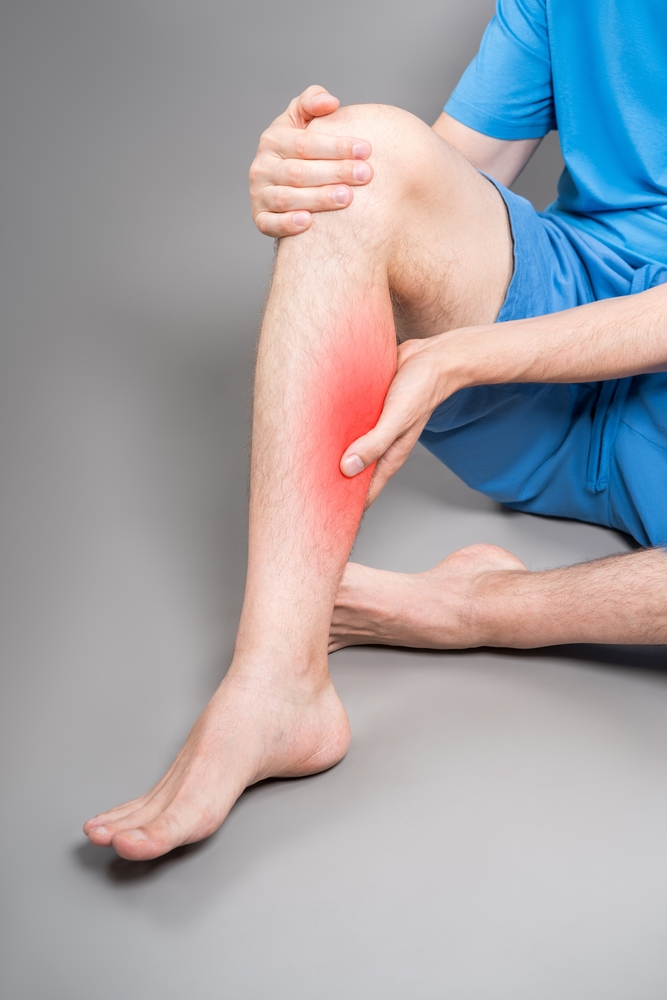
- Claudication: This is the most classic symptom of PAD. It presents as muscle pain or cramping in the legs or arms that is triggered by activity, such as walking, and disappears after a few minutes of rest. The pain can occur in the calf, thigh, or buttock muscles.
- Leg Fatigue or Heaviness: You might feel that your legs are unusually tired or heavy, even after minimal exertion.
- Slower Walking Pace: A noticeable decrease in your walking speed or endurance can be an early sign of compromised leg circulation problems.
- Numbness or Weakness: Some individuals experience a feeling of weakness or numbness in their legs.
Severe PAD / Critical Limb Ischemia (CLI) Symptoms:
When arterial blockages become severe, blood flow is drastically reduced. This stage is known as Critical Limb Ischemia (CLI) and is a medical emergency that requires immediate attention from a vascular specialist to prevent amputation.
- Ischemic Rest Pain: This is a persistent burning or aching pain in the feet or toes that occurs even when you are resting. The pain often worsens at night or when lying flat, and may be temporarily relieved by dangling your feet over the side of the bed.
- Non-Healing Wounds: Sores, ulcers, or wounds on the legs, feet, or toes that are slow to heal or do not heal at all are a hallmark of severe PAD. A minor injury, like a cut or blister, can become a serious leg ulcer or foot ulcer.
- Skin Discoloration: The skin on your legs or feet may become pale, bluish, or dark. You might also notice shiny skin on the legs.
- Gangrene: This is the most severe consequence of untreated PAD, where tissue dies due to a lack of blood flow. It can lead to the need for amputation to save the rest of the limb and the patient’s life.
Ignoring these symptoms can have devastating consequences. Early PAD diagnosis and treatment are key to managing the condition, improving quality of life, and preventing limb loss.
The Genetic Link: Is PAD in Your DNA?
While lifestyle factors like smoking and diabetes are major contributors to PAD, research increasingly shows that genetics play a crucial role. If you have a close relative—a parent or sibling—who has been diagnosed with PAD, atherosclerosis, or has experienced a heart attack or stroke, your own risk is significantly higher. This familial link is not just a coincidence; it’s rooted in your genetic code. For in-depth resources on how genetics and family history impact vascular health, see the arterial disease and PAD symptoms pages on the Fox Vein & Vascular website.
Several genetic variations have been identified that can increase a person’s susceptibility to developing blocked leg arteries. These genes can influence various processes that contribute to atherosclerosis.
How Genes Influence PAD Risk
- Cholesterol and Lipid Metabolism: Some genes control how your body processes fats and cholesterol. Genetic variations can lead to naturally higher levels of “bad” LDL cholesterol or lower levels of “good” HDL cholesterol, which are primary drivers of plaque buildup (arteriosclerosis). Even with a healthy diet, some individuals are genetically programmed to have high cholesterol.
- Inflammation: Atherosclerosis is now understood to be an inflammatory disease. Chronic inflammation in the artery walls contributes to the formation and instability of plaque. Certain genes can make an individual’s inflammatory response more aggressive, accelerating the development of arterial disease.
- Blood Pressure Regulation: Your genes can affect how your body regulates blood pressure. A genetic predisposition to hypertension (high blood pressure) puts constant strain on your artery walls, making them more susceptible to damage and plaque accumulation.
- Blood Clotting: Some genetic factors can influence your blood’s tendency to clot. An increased clotting tendency can contribute to the complete blockage of an already narrowed artery, leading to acute events like a sudden worsening of leg pain or the development of gangrene.
- Structural Integrity of Arteries: Genes also play a part in the structure and function of the artery walls themselves. Inherited weaknesses can make arteries more prone to the damage that initiates the atherosclerotic process.
Having a family history of vascular disease doesn’t mean a PAD diagnosis is inevitable. It means you have a higher baseline risk. Think of your genetics as loading the gun, but your lifestyle choices as pulling the trigger. Knowing you have a genetic predisposition gives you a powerful advantage: the opportunity to be extra vigilant about managing the risk factors you can control. For anyone with a family history, discussing your risk with a vascular specialist is an important first step.
Key Risk Factors for Peripheral Arterial Disease
Genetics is just one piece of the puzzle. The development of PAD is multifactorial, meaning it’s caused by a combination of genetic and lifestyle factors. Understanding all the risk factors for peripheral artery disease is essential for a comprehensive prevention strategy. You can explore additional resources on vascular health and get answers to common questions about PAD on the Fox Vein & Vascular FAQ page. For more on the latest diagnostic and treatment options for PAD, their Manhattan team provides detailed guidance for prevention and care.
- Smoking: This is the single most significant and modifiable risk factor for PAD. Smokers have a risk that is two to six times higher than non-smokers. Smoking damages the lining of the arteries, promotes plaque buildup, and constricts blood vessels.
- Diabetes: People with diabetes are at a much higher risk for developing PAD, often at a younger age and in a more severe form. High blood sugar levels damage blood vessels throughout the body, including the legs and feet. This is why a diabetic foot ulcer is a serious concern that requires immediate vascular assessment.
- High Cholesterol: Elevated levels of LDL (“bad”) cholesterol and triglycerides in the blood contribute directly to the formation of atherosclerotic plaque.
- High Blood Pressure (Hypertension): Over time, high blood pressure damages the delicate inner lining of the arteries, creating an environment where plaque can easily accumulate.
- Age: The risk of PAD increases significantly after the age of 60. However, for individuals with other risk factors like smoking or diabetes, the disease can appear much earlier.
- Obesity and a Sedentary Lifestyle: Being overweight and physically inactive contribute to other PAD risk factors, including high blood pressure, high cholesterol, and diabetes.
- Kidney Disease: Chronic kidney disease is associated with an increased risk of PAD.
If you have a family history of vascular disease plus one or more of these risk factors, your overall risk for developing PAD is compounded. This makes early screening and aggressive risk factor management absolutely critical.
Questions about your treatment options? Dr. Fox can help.
Book a ConsultationActionable Steps for Those with a Family History of PAD
Finding out you have a genetic predisposition to PAD can be unsettling, but knowledge is power. It empowers you to take control of your vascular health and significantly reduce your chances of developing the disease or its complications. Here are proactive steps you can take, many of which are elaborated on through the Fox Vein & Vascular resources:
- For in-depth prevention guidance, explore their lifestyle recommendations and PAD management tips.
- Learn about cutting-edge, minimally invasive PAD treatments to understand your options if you’re diagnosed.
- Browse vascular testing options for early detection and screening solutions.
- Curious about related vascular topics or what to expect? Find clear answers in their FAQs and diagnostic information.
By utilizing these internal resources, you’ll be better prepared to consult with your medical team and take meaningful action if you have a family history of PAD.
1. Adopt a Heart-Healthy Lifestyle
This is your most powerful defense against your genetic risk.
- Quit Smoking Immediately: If you smoke, stopping is the most impactful action you can take. Seek help from your doctor for cessation programs and resources.
- Maintain a Healthy Diet: Focus on a diet rich in fruits, vegetables, whole grains, and lean proteins. Limit saturated fats, trans fats, sodium, and added sugars. This can help manage cholesterol, blood pressure, and weight.
- Engage in Regular Physical Activity: Aim for at least 30 minutes of moderate-intensity exercise, such as brisk walking, most days of the week. Exercise improves circulation, helps control weight, and lowers blood pressure and cholesterol. If you already experience leg pain when walking, speak with a specialist about a supervised exercise program.
- Maintain a Healthy Weight: Losing even a small amount of weight can have a significant positive impact on your blood pressure and cholesterol levels.
2. Aggressively Manage Co-existing Medical Conditions
Work closely with your healthcare providers to keep other conditions under tight control.
- Control Blood Pressure: Monitor your blood pressure regularly. If it’s high, follow your doctor’s advice regarding medication, diet, and exercise.
- Manage Cholesterol: Get your cholesterol levels checked and take prescribed medications, such as statins, if necessary.
- Control Diabetes: If you have diabetes, diligent blood sugar management is crucial to protect your blood vessels. This includes regular monitoring, medication adherence, and careful foot care to prevent a neuropathic foot ulcer.
3. Seek Early Screening and Diagnosis
Because early PAD is often silent, you can’t wait for symptoms to appear, especially with a known family history. A vascular specialist can perform simple, non-invasive tests to assess your circulation.
- Ankle-Brachial Index (ABI): This is a quick and painless screening test that compares the blood pressure in your ankles to the blood pressure in your arms. A low ABI ratio can indicate the presence of blocked leg arteries.
- Duplex Ultrasound: This imaging test uses sound waves to visualize your arteries, measure blood flow, and identify the location and severity of any blockages.
Early PAD diagnosis allows for timely intervention that can halt or even reverse the progression of the disease. Specialized care from a vascular surgeon in Manhattan, like Dr. Fox, ensures you get an accurate assessment and a personalized plan.
4. Understand Advanced Treatment Options
Should screening reveal that you have PAD, it’s important to know that modern medicine offers highly effective, minimally invasive treatments. Gone are the days when major bypass surgery was the only option. Today, a PAD specialist can restore blood flow using advanced endovascular techniques. These procedures are typically performed in an outpatient setting, avoiding large incisions and long recovery times.
- Angioplasty: A tiny balloon is inserted into the blocked artery via a catheter and inflated to widen the vessel and restore blood flow.
- Atherectomy: A specialized catheter-based device is used to scrape or sand away the plaque from the artery walls.
- Stenting: After angioplasty, a small mesh tube called a stent may be placed inside the artery to act as a scaffold, keeping it open long-term.
These minimally invasive vascular procedures Manhattan are designed to treat claudication, heal non-healing wounds, and prevent amputation.
Specialized Treatments: Beyond Traditional PAD Care
For some patients, vascular issues extend beyond the typical leg arteries. Fox Vein and Vascular also specializes in innovative treatments for related conditions, such as chronic knee pain from osteoarthritis. Genicular Artery Embolization (GAE) is a groundbreaking, minimally invasive procedure that provides significant relief for patients suffering from knee osteoarthritis. While distinct from PAD, it highlights the comprehensive approach to vascular and musculoskeletal health. GAE works by reducing blood flow to the inflamed lining of the knee joint, which in turn reduces inflammation and pain. For those seeking non-surgical knee pain relief, learning about the GAE procedure can open up new possibilities.
Why Choose a Vascular Specialist in NYC?
Managing a complex condition like PAD, especially with a genetic component, requires expert care. A board-certified vascular surgeon has the specialized training and experience necessary for both accurate diagnosis and advanced treatment. In a dense urban environment like the 5 Boroughs, having access to a top-tier vascular lab Manhattan is invaluable.
Dr. David Fox at Fox Vein and Vascular is a renowned vascular specialist dedicated to limb preservation and improving patients’ quality of life. His practice offers:
- Comprehensive Diagnosis: State-of-the-art in-office diagnostics for a swift and accurate PAD diagnosis.
- Minimally Invasive Philosophy: A focus on endovascular treatments like angioplasty and atherectomy for faster recovery.
- Personalized Care Plans: Every patient’s treatment strategy is tailored to their specific condition, risk factors, and health goals.
- Commitment to Amputation Prevention: A proactive approach to restoring blood flow and healing wounds to prevent limb loss.
Your family history may increase your risk, but it does not define your destiny. By understanding your genetic predisposition and taking proactive steps to manage your lifestyle and health, you can significantly lower your risk of developing PAD and its severe complications. Early and consistent engagement with a vascular expert is your best strategy for maintaining healthy circulation and living a full, active life.
Don’t let a family history of vascular disease dictate your future. If you have risk factors or are experiencing any symptoms like leg pain, numbness, or non-healing wounds, it’s time to take action.
Schedule a consultation with Dr. Fox at Fox Vein and Vascular to assess your circulatory health. Contact us today at (212) 362-3470 or visit us at foxvein.com to learn more.