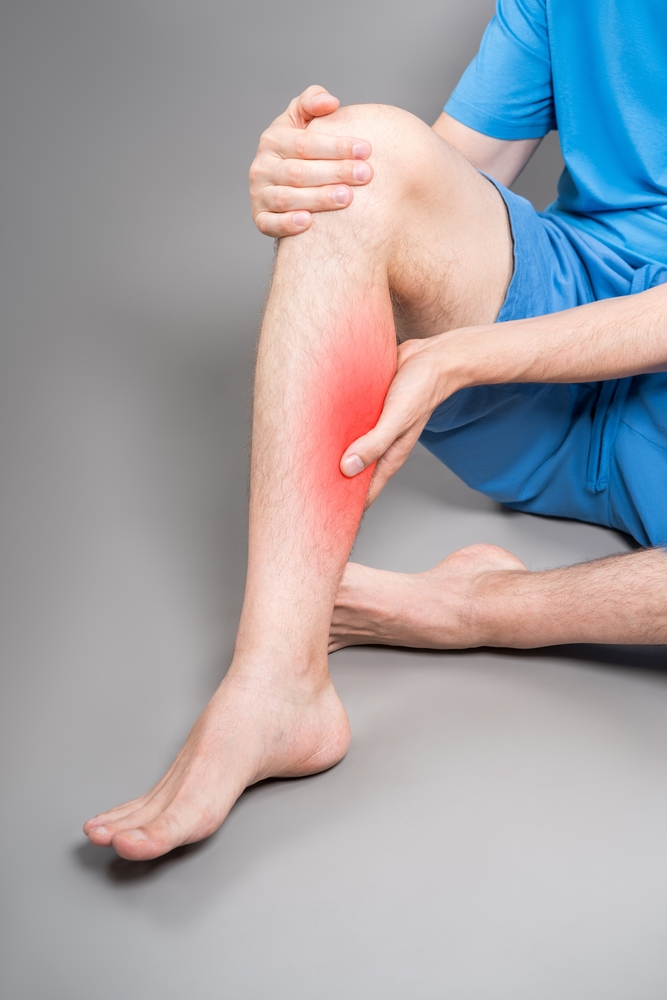
Leg pain is a common complaint that sends thousands of people to the doctor’s office every year. Whether it’s a dull ache, a sharp cramp, or sudden swelling, issues with your legs can significantly impact your mobility and quality of life. However, not all leg pain stems from the same cause. Two of the most common—and serious—vascular conditions that affect the legs are Peripheral Arterial Disease (PAD) and Deep Vein Thrombosis (DVT).
While both conditions involve the blood vessels in your legs and can be dangerous if left untreated, they are fundamentally different in their causes, symptoms, and treatments. Confusing the two can be dangerous, as the management strategies for a blocked artery are vastly different from those for a blood clot in a vein. For a full overview of clot diagnosis and care, see our guide to deep vein thrombosis treatment in Manhattan. Understanding these differences is the first step toward advocating for your health and seeking the right care from a vascular specialist.
This comprehensive guide will break down the anatomy of your circulatory system, explore the distinct characteristics of PAD and DVT, and provide you with the knowledge needed to recognize the warning signs. From specific PAD symptoms to the dangers of sudden leg swelling, we will cover everything you need to know to protect your vascular health.
The Circulatory Highway: Arteries vs. Veins
To understand the difference between PAD and DVT, you first need to understand the basic “plumbing” of your body. Your circulatory system is a two-way highway consisting of two main types of vessels: arteries and veins.
- Arteries: These are the delivery trucks. They carry oxygen-rich, nutrient-dense blood away from your heart to feed your muscles, organs, and tissues. In your legs, strong arterial flow is necessary for your muscles to function during walking or running.
- Veins: These are the return vehicles. Once your body has used the oxygen, the blood (now oxygen-depleted) travels back to the heart through the veins to be re-oxygenated by the lungs. Veins have one-way valves to keep blood moving upward against gravity.
PAD is a problem with the arteries (the delivery system).
DVT is a problem with the veins (the return system).
Knowing which side of the highway is blocked helps explain why the symptoms present so differently.
What is Peripheral Arterial Disease (PAD)?
Peripheral Arterial Disease is a chronic, progressive condition caused by the narrowing or blockage of the arteries. The underlying cause is almost always atherosclerosis—a process where fatty deposits called plaque build up on the inner walls of the arteries. Over time, this plaque hardens (calcifies), turning a wide, flexible tube into a narrow, stiff one.
Think of PAD as a clogged pipe in your home. If the pipe supplying water to your shower is clogged with mineral deposits, you get low water pressure. Similarly, when the arteries in your legs are clogged, your leg muscles experience low “blood pressure.” They don’t get enough oxygen to function properly, especially when they are working hard.
The Hallmark of PAD: Ischemia
The core issue in PAD is ischemia, which means a restriction in blood supply. This lack of blood flow leads to the most common PAD symptoms, such as:
- Intermittent Claudication: This is the medical term for pain, cramping, or heaviness in the leg muscles (calf, thigh, or buttock) that happens during physical activity like walking. It occurs because the muscles need more blood than the narrowed arteries can provide. Crucially, the pain stops when you rest because the demand for blood decreases.
- Critical Limb Ischemia (CLI): In advanced stages, the blood flow is so poor that you experience pain even when resting (ischemic rest pain), typically in the toes or feet at night. This is a severe warning sign that requires immediate attention for amputation prevention.
What is Deep Vein Thrombosis (DVT)?
Deep Vein Thrombosis (DVT) is a condition where a blood clot (thrombus) forms in one of the deep veins of the body, usually in the legs. Unlike PAD, which is caused by a slow buildup of plaque over years, a DVT can happen suddenly.
Think of DVT as a blockage in the drainpipe. If the drain is plugged, the water backs up and overflows. In the leg, when a deep vein is blocked by a clot, blood cannot easily return to the heart. It backs up (pools) behind the clot, causing pressure to build up in the leg.
The Hallmark of DVT: Venous Congestion
The core issue in DVT is congestion and obstruction of venous return. This leads to symptoms associated with fluid retention and inflammation, such as:
- Sudden Swelling: This is the most defining characteristic of DVT. One leg will often look significantly larger than the other.
- Pain and Tenderness: The pain from a DVT is often described as a deep throb, ache, or soreness, similar to a severe muscle pull. It is often tender to the touch.
- Skin Changes: The skin over the affected area may feel warm and look red or discolored.
The Major Risk: Pulmonary Embolism
The biggest danger with DVT is not just the leg pain, but the risk of the clot breaking loose. If a piece of the clot (embolus) travels through the bloodstream to the lungs, it causes a Pulmonary Embolism (PE), a life-threatening blockage of the lung’s arteries.
Comparing Symptoms: How to Tell Them Apart
Because both conditions affect the legs, patients often confuse them. However, distinct differences can help a specialist distinguish between arterial and venous issues.
1. The Onset of Pain
- PAD: Usually gradual and chronic. You might notice over months or years that you can’t walk as far as you used to without cramping. The pain is predictable and reproducible with exercise.
- DVT: Usually acute and sudden. You might wake up one morning with a swollen, painful leg, or notice it developing rapidly over a few days, often after a long flight or surgery.
2. The Appearance of the Leg
- PAD: The leg often looks “starved” for blood. The skin may be pale, shiny, and thin. There may be hair loss on the toes and legs. The foot may feel cool to the touch. When you elevate the leg, it may turn white; when you hang it down, it may turn a dusky red.
- DVT: The leg looks “congested.” It is typically swollen (leg swelling is a key differentiator). The skin may be red or purplish and feel warm to the touch due to inflammation.
3. The Nature of the Discomfort
- PAD: Cramping, tightening, fatigue, or heaviness. It feels like the muscle is seizing up. It is relieved by stopping activity and standing still.
- DVT: Throbbing, aching, or heaviness that is constant. It does not necessarily go away with rest and may actually feel better if you elevate the leg (helping the blood drain), whereas elevating a PAD leg often makes the pain worse (fighting gravity reduces arterial flow further).
4. Wounds and Ulcers
- PAD: Ulcers appear on the toes, feet, or heels. They are often dry, painful, “punched-out” in appearance, and have a pale base. They heal very slowly or not at all.
- DVT: DVT itself doesn’t typically cause ulcers immediately, but chronic venous insufficiency (Post-Thrombotic Syndrome) following a DVT can lead to venous stasis ulcers. These usually appear on the inner ankle, are shallow, have irregular borders, and are often “wet” or weeping fluid.
Risk Factors: Shared Ground and Key Differences
While there is some overlap in risk factors—smoking and obesity are bad for both arteries and veins—the profiles of a typical PAD patient and a typical DVT patient can differ.
Primary Risk Factors for PAD:
- Smoking: The single biggest risk factor. It damages the arterial lining and accelerates plaque growth.
- Diabetes: High blood sugar destroys arterial walls.
- High Cholesterol & High Blood Pressure: These contribute directly to atherosclerosis.
- Age: Risk increases significantly after age 60 (or 50 for smokers/diabetics).
Primary Risk Factors for DVT:
- Immobility: Stasis is the enemy of veins. Long plane rides, long car trips, or bed rest after surgery are major triggers.
- Surgery or Trauma: Injury to the veins can spark clotting.
- Hormones: Birth control pills and hormone replacement therapy increase clotting risk.
- Cancer: Active cancer and chemotherapy can put the blood in a hyper-coagulable state.
- Genetics: Inherited blood-clotting disorders (thrombophilia).
Questions about your treatment options? Dr. Fox can help.
Book a ConsultationThis article is part of our Leg Symptom Guide.
Diagnosing the Problem: The Role of a Vascular Specialist
Because the treatment for a clot is dangerous for a bleed, and the treatment for a blockage requires different tools, accurate diagnosis is non-negotiable. You cannot diagnose these conditions reliably just by looking at the leg; you need objective testing in a vascular lab.
At Fox Vein and Vascular, we utilize state-of-the-art diagnostic tools to pinpoint the cause of leg pain.
Diagnosing PAD:
- Ankle-Brachial Index (ABI): A simple comparison of blood pressure in the arm vs. the ankle. A low number indicates arterial blockage.
- Arterial Duplex Ultrasound: Uses sound waves to visualize the artery and measure the speed of blood flow, identifying exactly where the plaque is located.
- Angiography: Using contrast dye and X-rays (or CT/MRI) to create a roadmap of the arteries.
Diagnosing DVT:
- Venous Duplex Ultrasound: The gold standard. The technician presses on the vein with the ultrasound probe. If the vein collapses, it is healthy. If it stays open (non-compressible), there is likely a clot inside holding it open.
- D-Dimer Test: A blood test that detects fragments of a dissolving clot. A high level suggests a clot might be present, prompting further imaging.
Treatment Approaches: Two Different Paths
Once a diagnosis is confirmed, the treatment paths diverge significantly. This highlights why distinguishing between PAD and DVT is so critical.
Treating Deep Vein Thrombosis (DVT)
The immediate goal with DVT is to stop the clot from getting bigger and prevent it from traveling to the lungs.
- Anticoagulants (Blood Thinners): These are the mainstay of treatment. Drugs like heparin, warfarin, or newer oral anticoagulants do not dissolve the clot but prevent new ones from forming while your body naturally breaks down the existing one.
- Compression Stockings: These help reduce swelling and prevent blood from pooling, lowering the risk of long-term vein damage (Post-Thrombotic Syndrome).
- Thrombolysis: In severe cases involving large clots high in the leg, a “clot-busting” drug may be delivered directly into the clot via a catheter to dissolve it rapidly.
- IVC Filter: If a patient cannot take blood thinners, a small metal filter may be placed in the main vein (vena cava) to catch any clots before they reach the lungs.
Treating Peripheral Arterial Disease (PAD)
The goal with PAD is to improve blood flow, relieve pain, and ensure amputation prevention.
- Lifestyle Changes: Quitting smoking and walking programs are essential therapies.
- Medications: Antiplatelet drugs (like aspirin) prevent clots from forming on the rough plaque. Statins reduce cholesterol and stabilize plaque. Blood pressure medication reduces strain on the arteries.
- Minimally Invasive Revascularization: If conservative measures fail, Dr. Fox can perform outpatient procedures to physically open the artery.
- Angioplasty: Inflating a balloon to widen the artery.
- Atherectomy: Removing the plaque from the artery wall.
- Stenting: Placing a mesh scaffold to keep the artery open.
Why You Need a Vascular Specialist
General practitioners are excellent at managing overall health, but the nuances of vascular disease require specialized attention. A swollen leg could be DVT, but it could also be lymphedema, heart failure, or a side effect of medication. Leg pain could be PAD, but it could also be spinal stenosis or neuropathy.
A board-certified vascular surgeon like Dr. David Fox has the expertise to interpret subtle signs and symptoms. Furthermore, having access to a comprehensive vascular lab means you can get answers quickly—often on the same day. This speed is vital. With DVT, hours can matter in preventing a pulmonary embolism. With PAD, early detection can mean the difference between simple exercise therapy and complex limb salvage procedures.
Prevention: Protecting Your Vascular Health
While the mechanisms of PAD and DVT differ, maintaining overall vascular health offers protection against both.
To Prevent PAD:
- Manage your “numbers”: Keep blood pressure, blood sugar, and cholesterol in check.
- Eat a heart-healthy diet low in saturated fats.
- Exercise regularly to keep arteries flexible.
- Quit smoking immediately.
To Prevent DVT:
- Stay hydrated.
- Move frequently. If you have a desk job or are on a long flight, stand up and stretch every hour. Pump your ankles to keep venous blood moving.
- Maintain a healthy weight to reduce pressure on the veins in your pelvis and legs.
- Wear compression stockings if you are at high risk during travel.
Conclusion: Listen to Your Legs
Your legs are your lifeline to independence. Pain, swelling, or changes in skin color are not normal parts of aging—they are messages from your body that something is wrong with your circulation. Whether it is the “clogged pipe” of Peripheral Arterial Disease or the “blocked drain” of Deep Vein Thrombosis, the outcome depends on how quickly you act.
Don’t guess when it comes to vascular health. If you have symptoms of leg pain or swelling, you need an expert opinion to guide you toward the correct treatment path.
Schedule a consultation with Dr. Fox at Fox Vein and Vascular to have your circulation evaluated today. Contact us at (212) 362-3470 or visit foxvein.com to book your appointment.