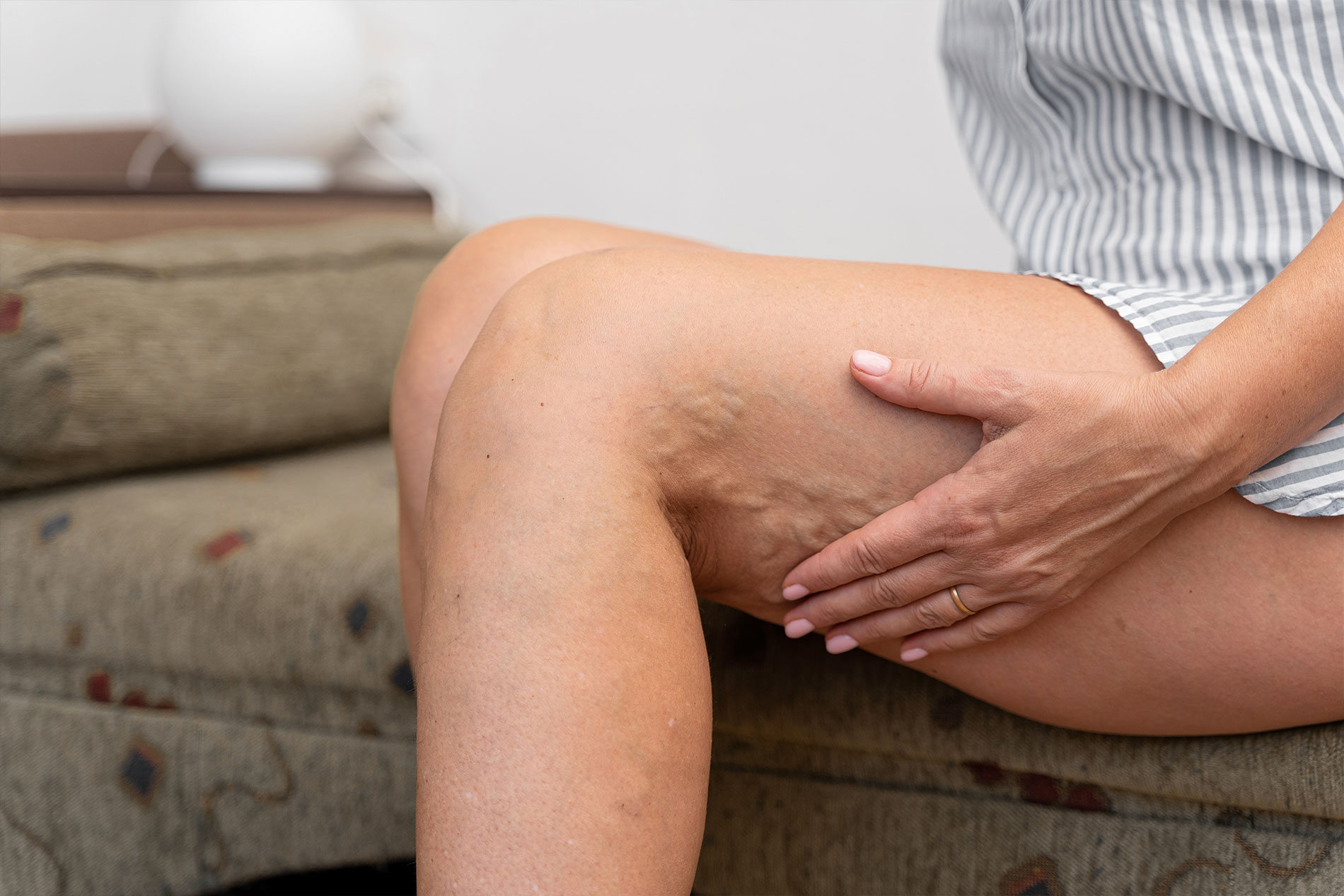

When people think of medical treatment, they often imagine a simple transaction: you get sick, you see a doctor, you take a pill or have a procedure, and you are “cured.” However, vascular health rarely works that way. Chronic Venous Insufficiency (CVI) is, by definition, a chronic condition. While modern medicine offers incredible solutions to eliminate painful varicose veins and unsightly spider veins, managing vein health is a marathon, not a sprint.
For many patients, the initial procedure is just the first step in a lifelong commitment to better circulation. Understanding this long-term perspective is crucial. Without ongoing management, the pressure that caused your veins to fail in the first place can return, leading to new issues down the road.
This guide is designed to be your companion for the long haul. Whether you have just had a procedure at a Manhattan vein clinic or are just beginning to notice vein symptoms in legs, we will explore the strategies, lifestyle changes, and follow-up care necessary to keep your legs healthy, light, and pain-free for years to come.
Understanding the Chronic Nature of Vein Disease
To manage a condition effectively, you must first understand its mechanism. Your veins are responsible for returning deoxygenated blood from your extremities back to your heart. Against gravity. To do this, they rely on tiny, delicate valves.
Vein disease occurs when these valves weaken or fail. Blood flows backward (reflux) and pools in the legs, causing high pressure (venous hypertension). This pressure leads to bulging veins, swelling, and skin damage.
Treatments like laser ablation or sclerotherapy are excellent at closing the specific veins that have failed today. However, they do not change your genetics, and they do not change the fact that gravity is constantly pulling on your blood. If you are prone to vein disease, your other, currently healthy veins are still at risk of developing valve failure in the future.
This is why we talk about “management” rather than a permanent “cure.” It is similar to dentistry; you might get a cavity filled, but you still need to brush, floss, and get checkups to prevent new ones.
The Pillars of Long-Term Vein Care
Successful long-term management rests on three pillars:
- Professional Maintenance: Regular checkups with a vein specialist near me.
- Lifestyle Modification: Daily habits that support circulation.
- Vigilance: Knowing the early warning signs of recurrence.
By integrating these pillars into your life, you can dramatically reduce the risk of your symptoms returning.
Pillar 1: Professional Maintenance
Many patients breathe a sigh of relief after their procedure and disappear, only to return five years later with significant issues. Don’t make this mistake.
The Importance of Surveillance Ultrasounds
Even if your legs look great and feel fine, what is happening beneath the surface tells a different story. A chronic vein condition specialist near me will typically recommend annual or bi-annual follow-ups.
- Why? An ultrasound can detect early reflux in a new vein before it becomes a visible, painful varicose vein.
- The Benefit: Treating early reflux is often much simpler (e.g., a quick injection) than treating a fully blown-out vein that requires ablation.
Managing “Recurrence”
Recurrence is a reality of vein disease. It happens in two ways:
- Recanalization: A treated vein manages to reopen. (Rare with modern thermal ablation techniques).
- Neovascularization: The body grows new, tiny abnormal veins.
- Disease Progression: A different vein that was healthy during your first treatment eventually fails due to age or genetics.
Having a relationship with the best vein doctor near me ensures that when these changes happen, they are addressed immediately, keeping your legs in a state of maintenance rather than crisis.
Pillar 2: Lifestyle Modification
You spend perhaps a few hours a year in your doctor’s office. You spend the rest of the time living your life. Your daily choices have a massive impact on the pressure in your veins.
The Power of Movement
The calf muscle is often called the “second heart.” Every time you take a step, the calf muscle contracts, squeezing the deep veins and shooting blood up toward the heart.
- The Rule: Avoid static posture. Standing still is the enemy. Sitting for hours is the enemy.
- The Fix: If you work at a desk, flex your ankles (toe taps) every 15 minutes. If you stand for work (teachers, surgeons, retail), shift your weight constantly and walk around whenever possible.
Weight Management
Physics is undeniable here. Extra body weight puts extra pressure on the abdomen and pelvis. This creates a “roadblock” for the blood trying to flow up from the legs.
- The Impact: Losing even a modest amount of weight can significantly reduce venous pressure, alleviating leg swelling and veins that feel heavy.
Diet and Hydration
- Fiber: A diet high in fiber prevents constipation. Why does this matter? Straining increases intra-abdominal pressure, which transmits directly to the leg veins.
- Salt: Sodium causes water retention. More fluid in the body means more volume for your veins to handle. Reducing salt helps control vein symptoms in legs like swelling.
- Hydration: Thick, dehydrated blood is harder to pump and more prone to clotting.
Compression Therapy: Not Just for Grandma
Many patients ditch their compression stockings the moment the doctor says they can. However, for long-term management, compression is a powerful tool.
- When to wear them: You don’t need them 24/7. Wear them during “high risk” times: long flights, long car rides, days where you know you will be standing all day, or during pregnancy.
- The Benefit: They provide external support to the vein walls, preventing them from over-dilating.
Pillar 3: Vigilance and Early Detection
You are the expert on your own body. Recognizing the subtle signs that your vein condition is flaring up allows you to seek vein treatment near me early.
Signs to Watch For:
- Return of Heaviness: If that “lead leg” feeling comes back, don’t ignore it.
- Evening Swelling: If your ankles are puffy at night but fine in the morning.
- Itching: Persistent itching over a vein is often a sign of stagnant blood and inflammation.
- Restless Legs: A return of night cramps or the urge to move your legs.
- New Spider Veins: While often cosmetic, a sudden bloom of spider veins around the ankle (corona phlebectastica) indicates high pressure.
If you notice these changes, book an appointment with a Varicose vein doctor Manhattan immediately. Do not wait for a bulging rope to appear.
The Role of Genetics
It is the elephant in the room. If both your parents had severe varicose veins, your risk of developing them is nearly 90%. You cannot change your DNA.
Accepting the genetic nature of the disease helps shift your mindset from “Why is this happening to me again?” to “I know this is my tendency, so I will manage it proactively.” It empowers you to take control.
Navigating Life Events with Vein Disease
Certain life stages require extra attention to your vascular health.
Pregnancy
Pregnancy is a major stress test for veins. Blood volume increases greatly, and hormones relax the vein walls.
- Strategy: If you have a history of vein disease, consult your vein specialist Manhattan before getting pregnant if possible. During pregnancy, strict adherence to compression stockings is vital.
Menopause
Hormonal shifts can exacerbate vein symptoms. Many women find that their spider veins worsen or their legs ache more during menopause.
- Strategy: Maintain an active lifestyle and discuss hormone replacement therapy’s vascular risks/benefits with your doctors.
Aging
As we age, tissues lose elasticity. Vein walls become stretchier and valves floppier.
- Strategy: Low-impact exercise (swimming, walking) becomes even more critical to keep the calf pump strong as the veins themselves weaken.
Choosing the Right Long-Term Partner
Because this is a lifelong relationship, choosing the right Manhattan vein clinic is critical. You want a practice that offers:
- Continuity of Care: A doctor who knows your history, not a revolving door of providers.
- Comprehensive Options: A clinic that can handle everything from tiny cosmetic veins to complex deep vein issues.
- Holistic Approach: A provider who looks at you as a whole person. For instance, at Fox Vein Care, we understand that leg pain is complex. We treat veins, but we also offer treatments for related issues like chronic knee pain.
Why Not Just “Any” Doctor?
A general surgeon might be able to strip a vein, but a dedicated vascular specialist understands the nuances of hemodynamics (blood flow). They are better equipped to map out complex recurrences and offer minimally invasive solutions that preserve your lifestyle. When searching for a vein specialist near me, look for board certification and a specific focus on venous disease.
Advanced Management: Beyond the Basics
For some patients, simple ablation isn’t enough. Long-term management might involve dealing with sequelae of old disease.
Managing Skin Changes
If you have had chronic vein disease for years, you might have skin discoloration (hemosiderin staining). While this often doesn’t go away completely, treating the underlying reflux stops it from getting worse and turning into an ulcer. Keeping the skin moisturized and protecting it from injury is key.
Deep Vein Issues
Most procedures treat superficial veins. If you have Deep Vein Insufficiency (DVI), the valves in your deep veins are damaged. These cannot be ablated (you need your deep veins).
- Management: This requires strict, lifelong compression therapy and highly disciplined elevation habits. It is a more serious condition that requires close monitoring by a chronic vein condition specialist near me.
Psychological Aspects of Chronic Vein Disease
Living with a chronic condition can be frustrating. Patients often feel self-conscious about the appearance of their legs, leading to avoidance of shorts or swimsuits. This can impact mental health and discourage exercise—which ironically, is what the legs need most.
- The Cycle: Shame leads to inactivity -> Inactivity leads to worse veins -> Worse veins lead to more shame.
- Breaking the Cycle: Treating the veins improves appearance, which boosts confidence, which encourages activity, which improves vein health.
If you are feeling defeated by the appearance of your legs, know that modern vein care treatment Manhattan can offer significant cosmetic improvement alongside medical relief.
The Financial Aspect of Long-Term Care
Patients often worry about the cost of ongoing care.
- Insurance: Most follow-up care for symptomatic disease is covered. Diagnostic ultrasounds are standard medical care.
- Maintenance vs. Crisis: Regular maintenance visits are generally far less expensive (and invasive) than waiting for a major recurrence that requires surgery and time off work.
Integrating Vein Health into Your Wellness Routine
Think of vein care as part of your overall wellness, just like gym memberships or healthy eating.
Your Vein-Healthy Checklist:
- Daily: 30 minutes of walking.
- Daily: elevate legs for 15 minutes at the end of the day.
- Weekly: Check legs for new veins or skin changes.
- Annually: Visit your vein specialist Manhattan for a screening ultrasound.
Conclusion: A Future of Healthy Legs
A diagnosis of chronic vein disease is not a life sentence of pain and heavy legs. It is simply a signal from your body that it needs a little extra support.
By accepting the chronic nature of the condition and committing to a long-term management plan, you can live a fully active, pain-free life. You can run marathons, chase grandchildren, and wear shorts with confidence.
The key is partnership. You do your part with lifestyle changes, and let the experts at Fox Vein Care do their part with advanced diagnostics and minimally invasive treatments.
If you are looking for a vein specialist near me or a Varicose vein doctor Manhattan who will be with you for the long haul, look no further. We are dedicated to the lifetime health of your legs.
Take control of your vascular future. Visit our Chronic Vein Conditions page to learn more about our philosophy of care.
Frequently Asked Questions About Long-Term Management
Can varicose veins come back after surgery?
Yes. While the specific vein that was treated is permanently closed, other veins can develop valve failure over time. This is why we emphasize “management” and regular follow-ups.
Is walking good for varicose veins?
Walking is the single best exercise for vein health. It activates the calf muscle pump, which helps push blood out of the legs and reduces pooling.
Do I have to wear compression stockings forever?
Not necessarily. Most patients wear them for a few weeks after a procedure. For long-term maintenance, many people only wear them during high-risk situations like travel or long days of standing.
Does crossing your legs cause spider veins?
This is a myth. Crossing your legs does not cause vein disease; it is primarily caused by genetics, gravity, and pregnancy. However, if you already have disease, sitting in restricted positions for long periods isn’t helpful.
Can diet cure varicose veins?
No diet can repair a broken valve. However, a low-salt, high-fiber diet prevents the swelling and constipation that can make vein pressure worse.
What happens if I stop going to the vein doctor?
If you have underlying venous insufficiency and stop monitoring it, it is likely that over time, the pressure will build up again. You may not notice it until you have significant vein pain or a large recurrence of bulging veins.
I have knee pain and vein pain. How do I manage both?
This is common. Osteoarthritis and vein disease often coexist. Managing the swelling from vein disease often reduces the pain in the knee joint. Conversely, staying active for your knee health helps your veins. At Fox Vein Care, we can help coordinate care for both, offering treatments for vein symptoms in legs and non-surgical options for knee pain treatment Manhattan.
Disclaimer: This content is for informational purposes only and does not constitute medical advice. Always consult with a qualified healthcare provider for diagnosis and treatment of any medical condition.
Leading Manhattan Vascular & Vein Specialist
At Fox Vein Care, we provide state-of-the-art vascular and venous treatments, combining advanced diagnostic technology with minimally invasive procedures that prioritize comfort, safety, and outstanding results.
Contact Us