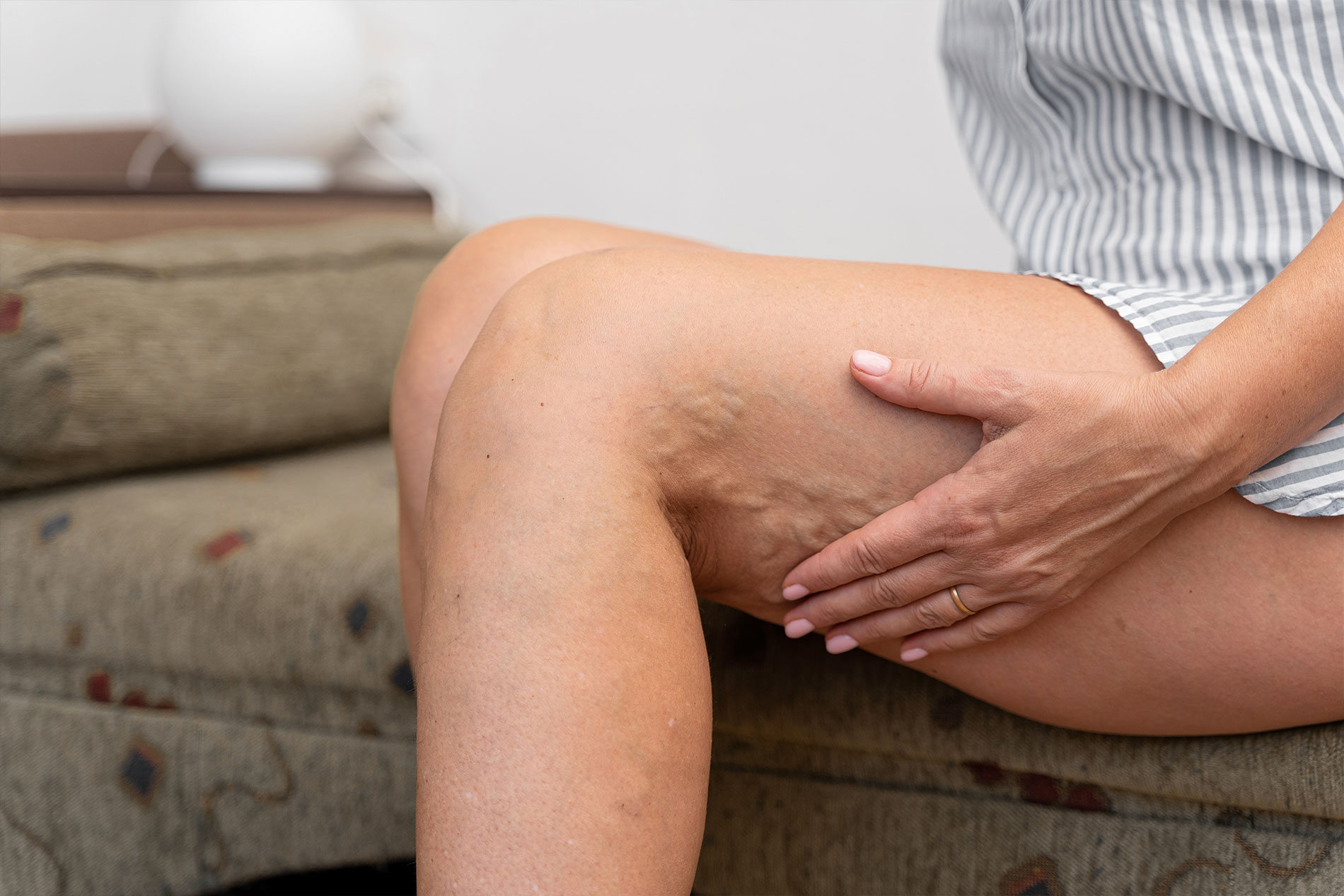

Spider veins, those small, web-like clusters of red, blue, or purple veins that appear on the skin’s surface, are a common cosmetic concern for millions of people. Learn more about spider vein treatment options here. While typically harmless, they can cause discomfort and self-consciousness, especially when they appear on visible areas like the legs and face. Fortunately, modern advancements in vein care offer highly effective, minimally invasive solutions to eliminate these unsightly veins. If you’re searching for a “vein specialist near me” in New York, you’ve likely encountered the two leading treatments: laser therapy and sclerotherapy.
Deciding between these options can feel overwhelming. Both are considered gold-standard procedures, but they work in different ways and are suited for different types of spider veins and patient needs. Understanding the nuances of each treatment is the first step toward achieving clear, beautiful skin and restoring your confidence. For an overview of available options and expert vein care, visit our Spider Vein Treatment page. As a leading Manhattan vein clinic, we believe in empowering patients with comprehensive information.
This guide will provide a detailed comparison of laser spider vein treatment and sclerotherapy. We will explore how each procedure works, who the ideal candidates are, what to expect during and after treatment, and the key factors to consider when making your choice. By the end, you’ll have a clearer understanding to discuss with your varicose vein doctor in Manhattan and determine the best path forward for your unique situation.
Understanding Spider Veins: What Are They and Why Do They Appear?
Before diving into treatments, it’s helpful to understand what causes these intricate patterns to form. Spider veins, medically known as telangiectasias, are dilated or stretched-out capillaries that appear just beneath the skin’s surface. They are distinct from varicose veins, which are larger, bulging veins that often twist and protrude. While both are related to venous insufficiency, their treatment protocols can differ significantly.
Several factors contribute to the development of spider veins:
- Heredity: A family history of spider or varicose veins is one of the strongest predictors.
- Hormonal Changes: Fluctuations during puberty, pregnancy, and menopause can weaken vein walls.
- Prolonged Standing or Sitting: Occupations that require long periods in one position can increase pressure in the leg veins.
- Obesity: Excess weight puts additional pressure on the veins.
- Sun Exposure: UV damage can cause spider veins, particularly on the face.
- Age: The natural aging process can cause wear and tear on vein valves and walls.
These factors can compromise the tiny one-way valves inside your veins. When these valves weaken, blood can flow backward and pool, causing the veins to swell and become visible as spider veins. Understanding these root causes is crucial for any vein specialist in Manhattan when developing a comprehensive vein care treatment plan.
Sclerotherapy: The Time-Tested Gold Standard
Sclerotherapy has been a trusted method for treating spider and small varicose veins for decades. It is a highly effective procedure renowned for its precision and consistent results, making it a go-to choice for many specialists. If you are experiencing vein symptoms in legs, such as minor aching or burning associated with spider veins, sclerotherapy can provide both cosmetic and symptomatic relief.
What is Sclerotherapy and How Does It Work?
Sclerotherapy involves the injection of a special solution, called a sclerosant, directly into the targeted spider veins. The procedure is meticulous and requires the skilled hand of an experienced vein doctor.
The process unfolds as follows:
- Consultation and Mapping: Your vein specialist will first examine your legs to identify the spider veins and any underlying “feeder” veins (reticular veins) that supply them. Ultrasound imaging may be used to get a clearer picture of your venous structure.
- The Injection Process: Using an ultra-fine needle, the doctor injects a small amount of the sclerosant into each vein. The sclerosant solution works by irritating the inner lining of the vein wall.
- Vein Closure: This irritation causes the vein walls to swell, stick together, and eventually seal shut.
- Natural Absorption: Once the vein is closed, it can no longer hold blood. The blood is naturally rerouted to healthier veins. Over the following weeks and months, the collapsed vein is broken down and absorbed by the body, causing the spider vein to fade from view.
At a premier Manhattan vein clinic, this procedure is performed in-office and typically takes 30 to 60 minutes, depending on the number of veins being treated.
Who is an Ideal Candidate for Sclerotherapy?
Sclerotherapy is an excellent option for a wide range of patients. You might be an ideal candidate if:
- You have small to medium-sized spider veins on your legs, ankles, or feet.
- You have reticular veins (the slightly larger, blue-green feeder veins).
- Your veins are large enough to be injected with a fine needle.
- You are not pregnant or breastfeeding.
- You have realistic expectations about the outcome and understand that multiple sessions may be needed.
- You are free of any acute blood-clotting issues.
A thorough evaluation with a vein specialist is essential to confirm if sclerotherapy is the safest and most effective choice for you. To learn more about spider vein treatment options in Manhattan, visit our Spider Vein Treatment page.
What to Expect: The Sclerotherapy Procedure and Recovery
The thought of needles can be daunting, but most patients find sclerotherapy to be very tolerable. The needles used are incredibly thin, and the injections feel like a tiny pinprick or a slight burning sensation that subsides quickly.
After the procedure:
- Compression: You will be required to wear compression stockings for several days to a few weeks. This is a critical step that helps keep the treated veins closed and reduces bruising and swelling.
- Activity: You are encouraged to walk immediately after the treatment to promote healthy circulation. However, strenuous activities like heavy lifting or high-impact aerobics should be avoided for about a week.
- Side Effects: Common side effects are temporary and may include bruising, redness, or small bumps at the injection sites. Some patients experience temporary skin discoloration (hyperpigmentation), which typically fades over time.
Sclerotherapy offers a straightforward recovery with minimal downtime, allowing patients to return to their daily routines almost immediately.
Laser Spider Vein Treatment: The Power of Light
Laser technology has revolutionized many areas of medicine, and vein care is no exception. Transdermal laser treatment (meaning it is applied through the skin) offers a non-invasive alternative to injections, making it an appealing option for certain types of spider veins and specific patient profiles. Searching for “vein treatment near me” will undoubtedly lead you to clinics offering this advanced technology.
What is Laser Vein Treatment and How Does It Work?
Laser spider vein treatment uses highly concentrated beams of light energy to eliminate unwanted veins. Unlike sclerotherapy, it does not require any needles or chemical solutions to be introduced into the body.
Here’s how the laser works its magic:
- Targeted Energy Delivery: The vein specialist uses a handheld laser device that emits a specific wavelength of light. This light is precisely calibrated to be absorbed by the hemoglobin (the red pigment) within the blood of the targeted spider vein.
- Heat Generation: As the hemoglobin absorbs the laser energy, it converts to heat.
- Vein Coagulation: This intense, focused heat damages the vein wall, causing it to coagulate (thicken) and collapse.
- Natural Fading: Similar to sclerotherapy, the body’s natural healing processes then take over. The damaged vein is gradually absorbed and disappears over the subsequent weeks and months. The blood flow is simply redirected to deeper, healthier veins.
The procedure is performed in the office and is relatively quick, often lasting between 15 and 30 minutes per session.
Who is an Ideal Candidate for Laser Treatment?
Laser therapy is not a one-size-fits-all solution. It is most effective for specific types of spider veins and is particularly well-suited for patients who:
- Have very small, fine spider veins that are too tiny to be injected with a needle.
- Have spider veins on sensitive areas like the face, ankles, or feet.
- Are allergic to the sclerosant solution used in sclerotherapy.
- Have a fear of needles (trypanophobia).
- Have superficial blushing or matting—a fine network of tiny veins that can sometimes appear after other treatments.
It is important to note that laser therapy is generally less effective for larger spider veins or the deeper reticular “feeder” veins. A qualified chronic vein condition specialist near me can assess your veins and determine if they are the right size and depth for laser treatment. Learn more about spider vein evaluation and treatments at our Manhattan Spider Vein Treatment page.
What to Expect: The Laser Procedure and Recovery
During a laser session, patients often describe the sensation as similar to a small rubber band being snapped against the skin. A cooling device is often used simultaneously to protect the surface of the skin and minimize discomfort.
After the procedure:
- Immediate Effects: You may experience some redness, swelling, and a sensation similar to a mild sunburn in the treated area. This typically resolves within a few hours to a couple of days.
- Activity: There is virtually no downtime. You can resume your normal activities immediately, although you will be advised to avoid direct sun exposure and hot baths for a short period to protect the treated skin.
- Side Effects: Potential side effects include temporary blistering or changes in skin pigmentation (either darkening or lightening). These are rare when the procedure is performed by an experienced professional.
The convenience of no needles and no required compression wear makes laser therapy an attractive choice for many.
Head-to-Head Comparison: Laser Treatment vs. Sclerotherapy
Now that we’ve covered the basics of each procedure, let’s put them side-by-side to highlight their key differences. This comparison will help you have a more informed discussion with the best vein doctor near me.
| Feature | Sclerotherapy | Laser Spider Vein Treatment |
| Best For | Small to medium spider veins, reticular (feeder) veins on the legs. | Very fine, superficial spider veins, facial veins, and veins in sensitive areas like the ankles. |
| Procedure | Injection of a sclerosant solution directly into the vein. | Application of targeted light energy through the skin to heat and collapse the vein. |
| Invasiveness | Minimally invasive (injections). | Non-invasive (no skin penetration). |
| Discomfort | Mild; feels like a small pinprick or brief burning sensation. | Mild to moderate; feels like a rubber band snap. A cooling device is used to enhance comfort. |
| Session Time | 30-60 minutes. | 15-30 minutes. |
| Recovery | Minimal downtime, but compression stockings are required for several days to weeks. | No downtime, no compression stockings needed. Avoid sun exposure. |
| Effectiveness | Considered the gold standard for leg spider veins; highly effective for a wider range of vein sizes. | Highly effective for very small veins but less so for larger spider veins or deeper reticular veins. |
| Number of Sessions | Typically 2-4 sessions, spaced 4-6 weeks apart, for optimal results. | Typically 2-4 sessions, spaced 4-6 weeks apart. May require more sessions for the same area compared to sclerotherapy. |
| Common Side Effects | Bruising, temporary redness, swelling, potential for temporary skin discoloration. | Redness, swelling, temporary pigment changes, rare risk of blistering. |
The Power of Combination: The “Double Injury” Method
In the pursuit of the best possible outcomes, many leading vein specialists, including those at our Manhattan vein clinic, advocate for a combination approach. This strategy, sometimes referred to as the “double injury” method, leverages the strengths of both sclerotherapy and laser treatment to tackle spider veins more effectively.
This approach often involves treating the larger “feeder” reticular veins with sclerotherapy first. By closing off the source of the blood flow, the pressure on the connected superficial spider veins is reduced. Then, laser therapy can be used in a subsequent session to target the remaining, very fine surface veins that may be too small for injection.
This dual-modality treatment can lead to more comprehensive and longer-lasting results. It ensures that both the source of the problem and its visible symptoms are addressed, providing a powerful one-two punch against stubborn spider veins.
Choosing the Right Treatment for You
So, how do you decide between laser therapy and sclerotherapy? The answer is not always straightforward and depends heavily on a professional evaluation. The best vein doctor will not push one treatment over the other but will recommend the best course of action based on your specific needs.
Here are the key factors your specialist will consider:
- Vein Size and Depth: This is the most critical factor. Sclerotherapy excels with slightly larger, deeper spider and reticular veins, while lasers are superior for the tiniest, most superficial ones.
- Vein Location: For delicate facial veins, laser treatment is almost always the preferred method due to its precision and non-invasive nature. For leg veins, sclerotherapy is often the primary choice.
- Skin Tone: Certain lasers carry a higher risk of pigment changes in darker skin tones. An experienced specialist will use the appropriate laser technology (like an Nd:YAG laser) that is safe for all skin types, but sclerotherapy may be recommended to avoid this risk altogether.
- Patient Preference and Medical History: A fear of needles or an allergy to the sclerosant solution would make laser therapy the obvious choice.
Ultimately, the most important step you can take is to schedule a consultation with a board-certified vein specialist. During this visit, the doctor will perform a physical examination, possibly with ultrasound imaging, to assess your venous health thoroughly. This allows for the creation of a personalized vein care treatment plan that is tailored to your anatomy, concerns, and goals. Whether you are dealing with bulging veins, varicose veins, or spider veins, a comprehensive diagnosis is the foundation of successful treatment.
Find Your Solution at a Premier Manhattan Vein Clinic
Living with spider veins doesn’t have to be a permanent reality. Modern treatments like sclerotherapy and laser therapy offer safe, effective, and minimally invasive ways to achieve clearer, healthier-looking skin. While both procedures are excellent, they are designed for different situations. Sclerotherapy remains the workhorse for most leg spider veins, while laser therapy provides a perfect solution for very fine veins and sensitive areas.
If you are tired of covering up your legs or feeling self-conscious about facial veins, it’s time to seek expert care. A consultation with a trusted varicose vein doctor in Manhattan can provide you with a definitive diagnosis and a clear path toward the right treatment. To learn more about spider vein treatment options, visit our Spider Vein Treatment page. Don’t let vein pain or cosmetic concerns hold you back any longer. Take the first step toward renewed confidence today.
Leading Manhattan Vascular & Vein Specialist
At Fox Vein Care, we provide state-of-the-art vascular and venous treatments, combining advanced diagnostic technology with minimally invasive procedures that prioritize comfort, safety, and outstanding results.
Contact Us