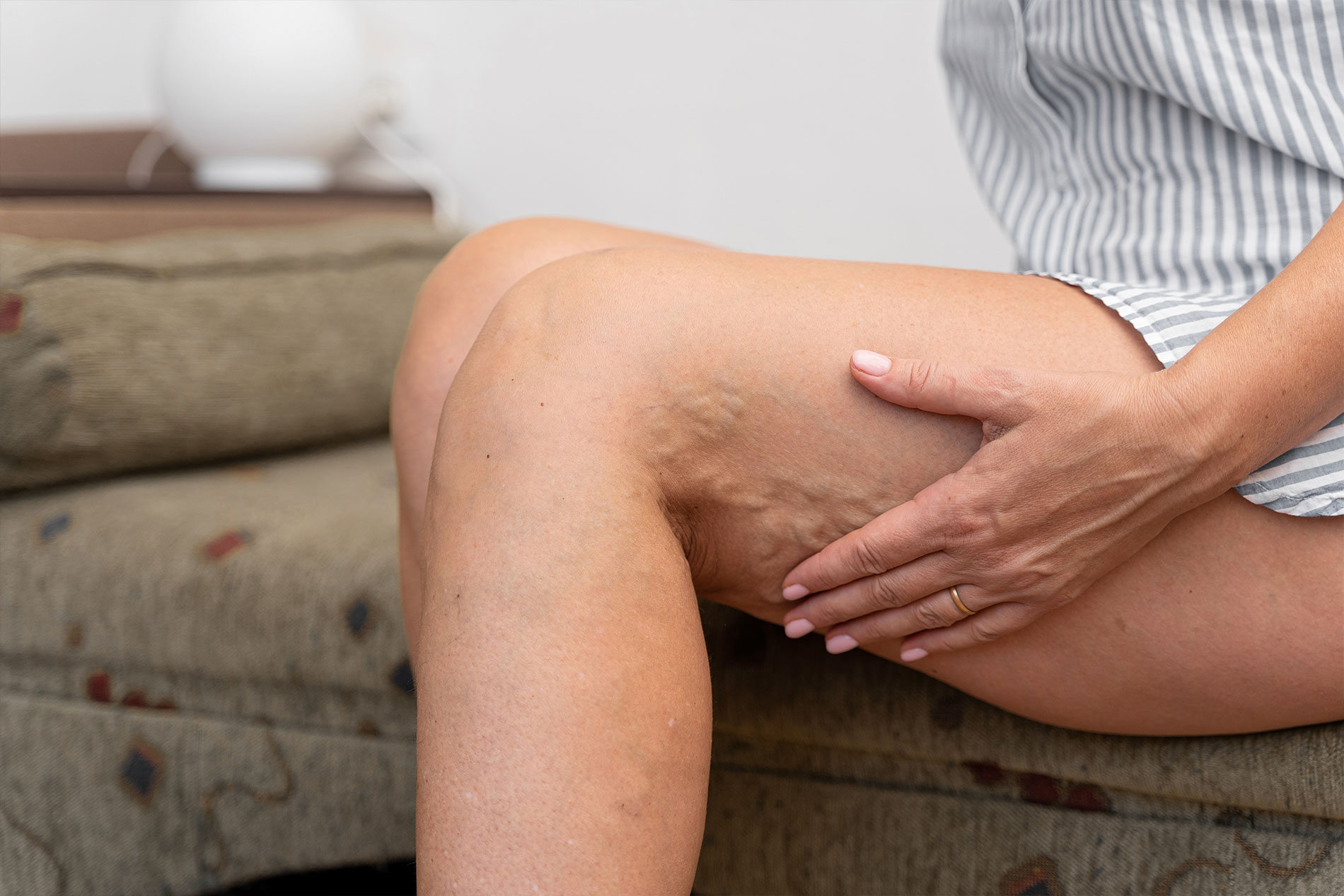
Knee osteoarthritis is one of the most common causes of chronic joint pain. As cartilage inside the knee gradually wears down, inflammation increases and the joint becomes stiff, swollen, and painful.
Many patients worry that surgery is inevitable. However, modern medicine now offers several ways to treat knee osteoarthritis without surgery, helping patients reduce pain and improve mobility while avoiding major procedures.
Understanding the available non-surgical treatments for knee osteoarthritis can help patients find effective relief and maintain an active lifestyle.
What Causes Knee Osteoarthritis?
Knee osteoarthritis develops when cartilage — the smooth protective tissue covering the ends of bones — begins to deteriorate. As cartilage breaks down, bones rub against each other, causing inflammation and pain.
Common symptoms include:
- Persistent knee pain
- Joint stiffness
- Swelling around the knee
- Difficulty walking or climbing stairs
- Reduced range of motion
You can learn more about the causes of the condition in What Causes Knee Osteoarthritis
Why Many Patients Want to Avoid Surgery
Knee replacement surgery is sometimes recommended for severe osteoarthritis, but many patients prefer to explore knee osteoarthritis treatments without surgery first.
Surgical procedures can involve:
- Several months of recovery
- Physical rehabilitation
- Surgical risks and complications
- Limited lifespan of artificial joints
For many patients with mild to moderate osteoarthritis, non-surgical treatments may provide significant symptom relief.
Lifestyle Changes That Can Reduce Knee Pain
In the early stages of osteoarthritis, simple lifestyle changes may help relieve symptoms and slow joint damage.
These approaches may include:
Weight management
Reducing body weight can significantly decrease pressure on the knee joint.
Low-impact exercise
Activities such as swimming, cycling, and walking help maintain joint mobility without placing excessive stress on the knee.
Strengthening exercises
Building muscle around the knee improves stability and reduces strain on the joint.
Nutrition may also play an important role in controlling inflammation.
Learn more about dietary strategies in Anti-Inflammatory Diets for Osteoarthritis
Injection Treatments for Knee Osteoarthritis
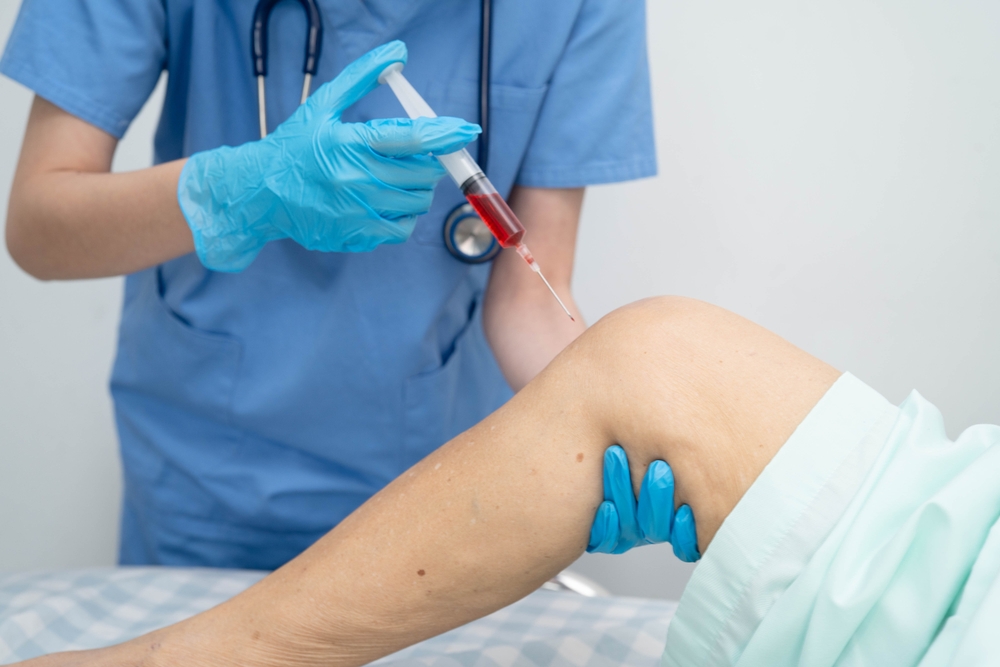
Physicians sometimes use injections to temporarily reduce inflammation and improve joint lubrication.
These treatments may include:
- Corticosteroid injections
- Hyaluronic acid injections
- Platelet-rich plasma (PRP)
Although injections may relieve symptoms for a period of time, the effects are often temporary.
Because of this, many patients explore longer-lasting minimally invasive treatment options.
Minimally Invasive Treatment Options
One of the most innovative treatments available today is Genicular Artery Embolization (GAE).
This minimally invasive procedure treats knee osteoarthritis by targeting abnormal blood vessels that contribute to inflammation and pain.
Learn more about the treatment in Genicular Artery Embolization (GAE)
How Genicular Artery Embolization Helps Treat Osteoarthritis
Recent research has shown that abnormal blood vessel growth inside the knee joint can worsen inflammation and increase pain signals.
GAE works by blocking these abnormal vessels.
During the procedure:
- A small catheter is inserted through a tiny incision.
- The physician guides the catheter to the arteries around the knee.
- Tiny particles are injected to reduce blood flow to inflamed tissues.
This reduces inflammation and can significantly relieve pain.
You can learn more about the procedure in GAE Procedure Step-by-Step
Benefits of Treating Knee Osteoarthritis Without Surgery
Many patients prefer minimally invasive treatments because they offer several advantages compared with traditional surgery.
Benefits may include:
- Faster recovery
- Minimal downtime
- No large surgical incisions
- Lower complication risk
- Long-lasting pain relief
Most patients are able to return to normal daily activities quickly after treatment.
You can learn about recovery expectations in Recovery Timeline After GAE
When to Seek Treatment for Knee Osteoarthritis
Early treatment is important because osteoarthritis tends to worsen over time.
You may benefit from medical evaluation if you experience:
- Persistent knee pain lasting several months
- Increasing stiffness in the joint
- Swelling that does not improve
- Difficulty performing daily activities
- Pain that worsens at night
Learn more about nighttime symptoms in Why Knee Pain Gets Worse at Night
Osteoarthritis Treatment Options in Manhattan
Fox Vein & Vascular offers advanced minimally invasive treatments designed to help patients relieve chronic knee pain without surgery.
Our specialists focus on identifying the underlying causes of inflammation and developing personalized treatment plans for long-term relief.
Patients seeking modern treatment options can learn more in Osteoarthritis Treatment in Manhattan
You can also explore comprehensive care options in Non-Surgical Knee Pain Relief
Schedule a Consultation
Living with chronic knee pain can make everyday activities difficult. Fortunately, modern treatments now allow many patients to treat knee osteoarthritis without surgery.
Schedule a consultation today to learn whether minimally invasive treatment may be right for you and take the first step toward lasting knee pain relief.
Leading Manhattan Vascular & Vein Specialist
At Fox Vein Care, we provide state-of-the-art vascular and venous treatments, combining advanced diagnostic technology with minimally invasive procedures that prioritize comfort, safety, and outstanding results.
Contact Us