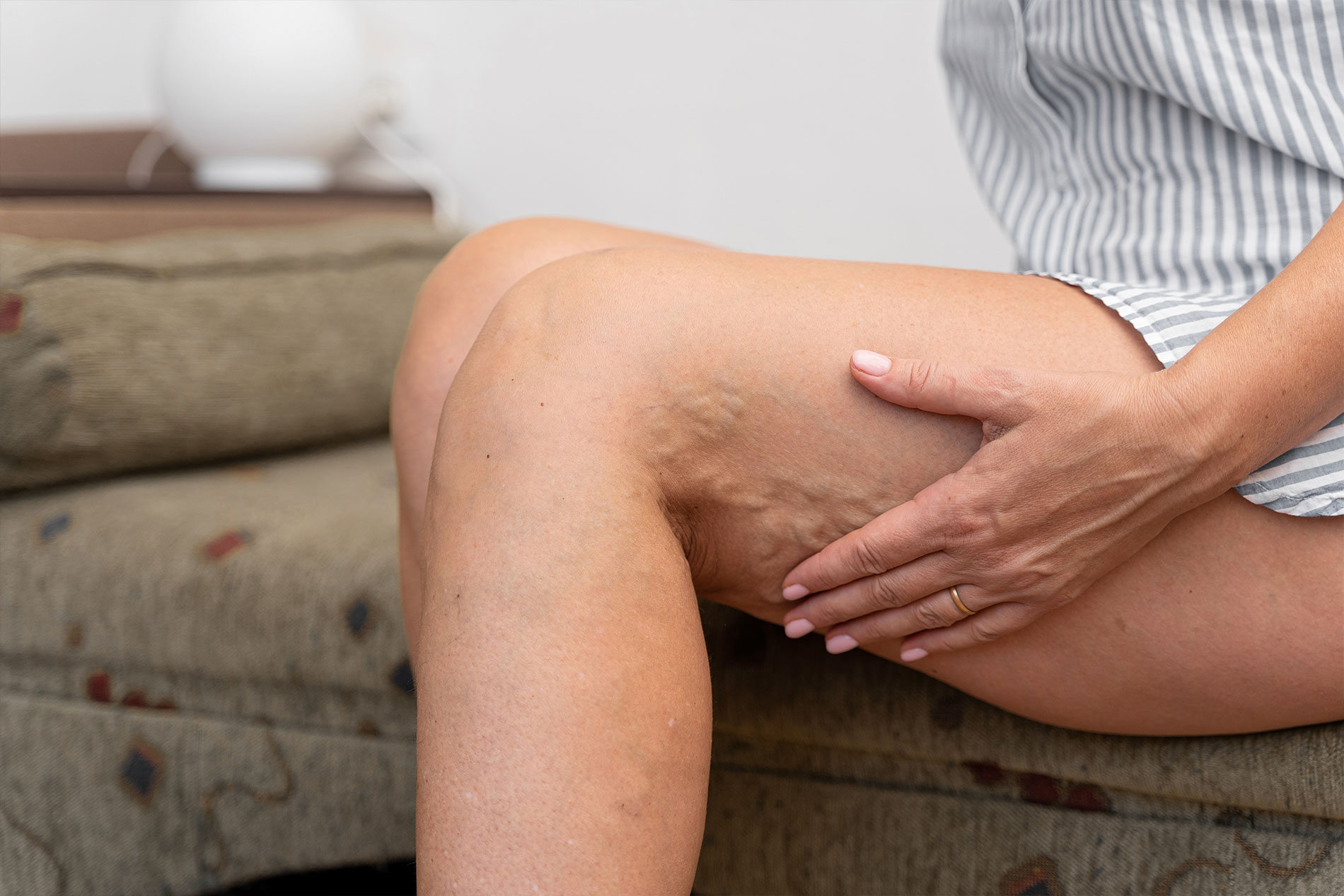
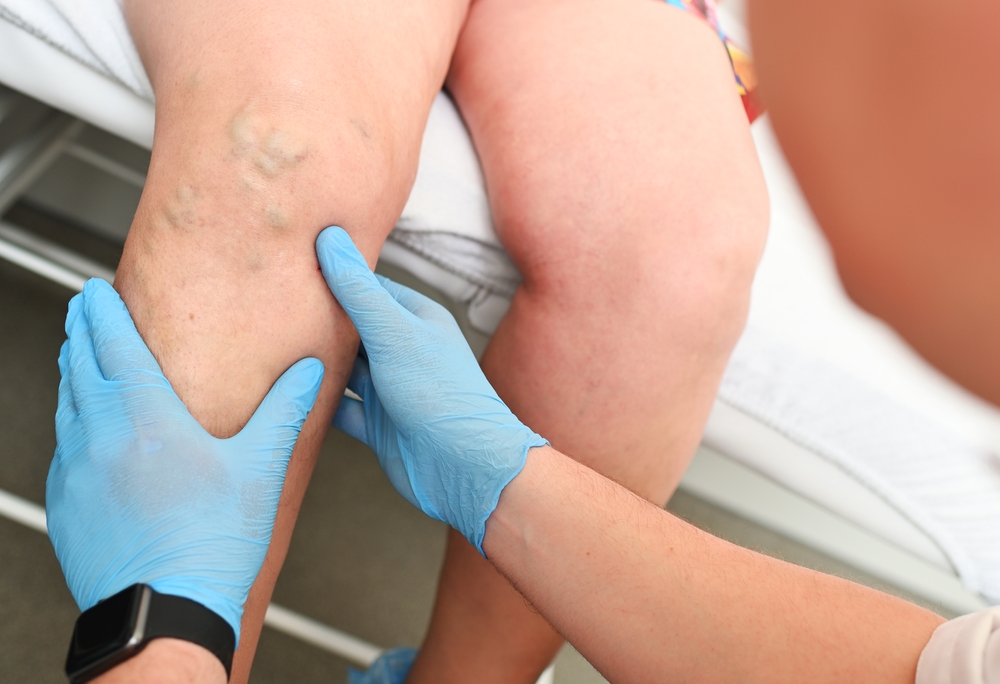
When you consider treating varicose veins or spider veins, the first question on your mind is often about downtime. You want relief from pain, swelling, and the unsightly appearance of bulging veins, but you also have a busy life to maintain. Fortunately, modern medicine has transformed vein care from major surgery into minimally invasive procedures with surprisingly quick recovery times.
At Fox Vein and Vascular, we understand that your time is valuable. Whether you visit our Manhattan vein clinic for cosmetic improvement or medical necessity, our goal is to get you back on your feet as soon as possible. This guide explores exactly what you can expect during recovery, factors that influence healing, and why seeking a “vein specialist near me” sooner rather than later is the best decision for your vascular health.
For a detailed look at the advanced treatments offered in New York and what to expect from leading experts, see our full overview of Manhattan vein treatments.
The Evolution of Vein Recovery: Why It’s Faster Than Ever
Decades ago, treating varicose veins often meant “vein stripping,” a surgical procedure requiring general anesthesia, hospital stays, and weeks of painful recovery. Today, the landscape is entirely different. As a leading varicose vein doctor in Manhattan, Dr. David Fox utilizes advanced technologies like Endovenous Laser Therapy (EVLT) and sclerotherapy. These treatments are minimally invasive, performed right in the office, and typically allow patients to walk out immediately after their appointment.
The shift toward minimally invasive care means that recovery is no longer about “bed rest.” Instead, it is about active recovery—keeping moving to encourage healthy blood flow while your body heals the treated veins.
Understanding the Recovery Timeline
While every patient is unique, most modern vein treatments follow a similar recovery trajectory. Here is a general breakdown of what you might experience after visiting a vein specialist in Manhattan.
Immediate Post-Procedure (The First 24 Hours)
Directly after your treatment—whether it is EVLT for a large varicose vein or sclerotherapy for spider veins—you will likely have your leg wrapped in an ace bandage or be instructed to wear compression stockings.
- Activity: You are encouraged to walk immediately. Walking promotes circulation and reduces the risk of clots.
- Sensation: You might feel mild tightness or a “pulling” sensation along the treated vein, especially with laser treatments. This is normal.
- Restrictions: Avoid heavy lifting, strenuous gym workouts, or hot baths.
The First Week
During the first few days, you will continue wearing compression stockings. This is crucial for compressing the treated veins and ensuring they close off effectively.
- Work: Most patients return to desk jobs the very next day. If your job involves heavy manual labor, your vein doctor might suggest modified duties for a few days.
- Symptoms: mild bruising or tenderness is common. Over-the-counter anti-inflammatory medication is usually sufficient to manage any discomfort.
- Movement: Daily walking is essential. You should aim for at least 30 minutes of walking per day.
Two to Four Weeks Later
By this stage, most physical sensations of the procedure have faded.
- Visuals: Bruising should have subsided significantly. The treated veins may look lumpy or hard as they are reabsorbed by the body—a process that can take several months to complete fully.
- Follow-up: You will likely return to your Manhattan vein clinic for an ultrasound check-up to ensure the vein has closed successfully and there are no complications like deep vein thrombosis (DVT).
Factors That Influence Your Recovery Time
While the general timeline is short, several variables can affect how quickly you bounce back. When you search for the “best vein doctor near me,” you want a specialist who evaluates these factors to give you a personalized recovery plan.
1. The Type of Vein Treatment Performed
Different procedures have slightly different aftercare requirements.
- Sclerotherapy: Used for spider veins and smaller varicose veins. Recovery is almost instant. You may have some bruising or itching at the injection sites, but downtime is virtually zero.
- Endovenous Laser Therapy (EVLT): This treats larger veins by using heat to close them. Recovery involves wearing compression stockings for about a week and avoiding high-impact exercise for 7-10 days.
- Ambulatory Phlebectomy: This involves removing bulging veins through tiny micro-incisions. Because there are small skin punctures, healing may take slightly longer (about two weeks for the skin to fully heal), though pain is minimal.
2. The Severity of Your Vein Condition
If you are being treated for a chronic vein condition, your recovery might differ from someone seeking purely cosmetic treatment. Patients with severe venous insufficiency, significant leg swelling, or ulcers may require a more extended period of compression therapy to assist healing. Addressing these issues early with a vein specialist in Manhattan can prevent the condition from worsening and complicating recovery.
3. Your Overall Health and Lifestyle
General health plays a significant role in healing.
- Mobility: Patients who stay active and walk regularly tend to recover faster with fewer complications.
- Smoking: Nicotine constricts blood vessels and impairs healing. Smokers may experience slower recovery and a higher risk of complications.
- Compliance: Following your doctor’s orders—specifically regarding compression stockings—is the single biggest factor in a smooth recovery.
What to Expect: Managing Symptoms During Recovery
Even with minimally invasive treatments, your body needs to heal. Knowing what is normal can save you from unnecessary worry.
Mild Discomfort and Bruising
It is normal to experience some bruising along the path of the treated vein. This is often described as looking like a “black and blue” mark that fades into yellow over a couple of weeks. Some patients report a sensation similar to a pulled muscle.
The “Cord” Sensation
After the vein is closed, it hardens before the body breaks it down. You might feel a hard, cord-like structure under the skin. This is a sign the treatment worked. It is not dangerous and will soften and disappear over time.
Sensory Changes
Rarely, patients may experience temporary numbness or tingling near the treatment site if a nerve was irritated. This usually resolves on its own over a few weeks or months.
Tips for a Smooth and Speedy Recovery
To ensure the best results from your vein care treatment in Manhattan, follow these expert tips.
Prioritize Compression
Compression stockings are not a fashion statement, but they are a medical necessity after vein treatment. They reduce bruising, prevent blood from pooling in the treated leg, and help keep the treated vein collapsed so it scars down permanently. Wear them exactly as prescribed.
Keep Moving (But Don’t Overdo It)
- Do: Walk frequently. Movement engages the calf muscle pump, which helps return blood to the heart.
- Don’t: Run marathons or lift heavy weights for at least a week or two. High-impact activities increase pressure in the veins, which could force the treated vein open before it has healed.
Hydrate and Eat Well
Good nutrition supports tissue repair. Staying hydrated helps maintain healthy blood volume and circulation, reducing the risk of clots.
Elevate Your Legs
When you are resting, elevate your legs above the level of your heart. This uses gravity to assist blood flow back to the central circulation, reducing pressure on your leg veins and minimizing swelling.
Avoid Sun Exposure
If you have had sclerotherapy or laser treatment for spider veins, keep the treated area out of the sun or use high-SPF sunscreen. Sun exposure on inflamed or healing skin can lead to hyperpigmentation (dark spots) that takes a long time to fade.
Why Choosing the Right Specialist Matters
Recovery is not just about what you do after the procedure; it is about how well the procedure was performed. Choosing a board-certified vascular surgeon like Dr. David Fox ensures that your treatment is executed with precision.
An expert Manhattan vein doctor will:
- Map your anatomy correctly using ultrasound to target the root cause, not just the visible surface veins.
- Choose the least invasive, most effective modality for your specific anatomy.
- Provide comprehensive aftercare instructions tailored to your lifestyle.
When searching for a “vein specialist near me,” look for credentials, experience, and a focus on vascular health specifically. Many general practitioners or cosmetic centers offer vein treatments, but a dedicated vascular specialist is best equipped to handle complications and ensure a safe, lasting recovery.
Common Myths About Vein Treatment Recovery
There is a lot of misinformation regarding vein surgery, mostly stemming from the old days of vein stripping. Let’s clear up some common misconceptions.
Myth: I will be bedridden for days.
Fact: Bed rest is actually discouraged. You need to walk to prevent blood clots. You will be up and moving immediately.
Myth: The recovery is extremely painful.
Fact: Most patients report minimal discomfort that is easily managed with Tylenol or Ibuprofen. Many take no pain medication at all.
Myth: I can’t go to work.
Fact: Unless your job involves extreme physical exertion, you can likely return to work the next day.
Myth: The veins will just come back anyway.
Fact: The treated vein is permanently destroyed. While new varicose veins can develop if you are genetically predisposed, the specific vein treated will not return.
When to Call Your Doctor
While complications are rare in the hands of a skilled vein specialist in Manhattan, you should be aware of warning signs. Contact your doctor immediately if you experience:
- Sudden, severe swelling in the leg.
- Pain that gets worse and is not relieved by over-the-counter medication.
- Signs of infection like fever or extreme redness/heat at the injection site.
- Difficulty breathing or chest pain (this is a medical emergency).
Long-Term Outlook: Life After Vein Treatment
Once the initial recovery period of 1-2 weeks is over, you will start to notice the benefits. The heaviness, fatigue, and aching that plagued your legs will diminish. The visible bulging veins will flatten and fade.
Many patients are surprised by how much energy they regain. When your venous circulation is corrected, your legs feel lighter, and staying active becomes easier. This creates a positive feedback loop: better circulation allows for more activity, and more activity supports better circulation.
Maintaining Your Results
Recovery is the bridge to better health, but maintenance is the destination. To keep your legs healthy for years to come:
- Maintain a healthy weight to reduce pressure on your leg veins.
- Exercise regularly, focusing on walking and calf-strengthening activities.
- Avoid prolonged sitting or standing. If your job requires it, take breaks to move or flex your ankles.
- Wear compression stockings during long flights or car rides.
Conclusion: Recovery Is Easier Than You Think
If fear of a long, painful recovery has stopped you from seeking treatment for varicose veins, spider veins, or chronic leg swelling, it is time to reconsider. Modern vein care is designed for the modern lifestyle: quick, effective, and with minimal downtime.
Don’t let vein symptoms dictate your life. Whether you need a varicose vein doctor in Manhattan or a consultation for chronic vein conditions, the team at Fox Vein and Vascular is here to guide you through a smooth, comfortable recovery.
Ready to take the first step toward healthier, better-looking legs? Contact us today to schedule your consultation.
Why Early Vein Treatment Matters
Many patients wait until their vein symptoms become unbearable before searching for a “vein specialist near me.” They tolerate the bulging veins, the leg swelling, and the evening fatigue for years. However, delaying treatment can significantly impact both the complexity of the procedure required and the length of the recovery process.
The Cost of Waiting
Vein disease is progressive. What starts as a small spider vein or a cosmetic annoyance can develop into Chronic Venous Insufficiency (CVI).
- Skin Changes: Over time, high pressure in the veins can cause inflammation in the skin, leading to discoloration (stasis dermatitis) and a hardening of the skin texture (lipodermatosclerosis). Recovering from these skin changes takes much longer than recovering from simple vein closure.
- Ulcers: In advanced stages, untreated vein disease can lead to venous leg ulcers—open wounds near the ankle that are difficult to heal. Treating an ulcer requires weeks or months of intensive wound care and compression, far exceeding the standard recovery of laser treatment.
- Thrombosis: Stagnant blood in varicose veins increases the risk of Superficial Thrombophlebitis (painful clots near the surface) or Deep Vein Thrombosis (DVT).
By visiting a Manhattan vein clinic early, you often qualify for less invasive treatments with shorter recovery times. Treating a small varicose vein is faster and easier than treating a leg with extensive swelling and skin damage.
Comparing Recovery: Surgical vs. Non-Surgical
To truly appreciate modern recovery timelines, it helps to understand what patients used to endure.
- Vein Stripping (Old School): This required hospital admission, general anesthesia, and large incisions to physically pull the vein out of the leg. Recovery took 3-4 weeks, was painful, and carried higher risks of nerve damage and infection.
- Thermal Ablation / EVLT (Modern Standard): This uses a tiny fiber inserted via a needle prick. The vein is sealed shut with heat. Recovery is measured in days, not weeks.
- Medical Adhesives (VenaSeal): Some newer treatments use medical glue to close the vein. This can sometimes eliminate the need for compression stockings entirely, further simplifying recovery.
As a leading vein care treatment Manhattan provider, Fox Vein and Vascular stays at the forefront of these technologies to ensure your experience is as seamless as possible.
Addressing Leg Swelling and Vein Pain
A major part of recovery is the relief of symptoms. Patients often ask, “Will my leg swelling go away immediately?”
The answer is two-fold. The cause of the swelling (reflux in the vein) is treated immediately. However, the accumulated fluid in the tissue may take time to resolve.
- Week 1: You might actually see slight swelling due to the tumescent anesthesia used during the procedure.
- Week 2-4: As the treated vein closes and circulation improves, the chronic swelling begins to recede.
- Month 1+: Patients typically report their legs feel significantly lighter and thinner.
Knee Pain and Veins: The Overlooked Connection
Sometimes, patients searching for a “knee specialist near me” or a “chronic knee pain doctor NYC” are surprised to learn their pain is related to vascular issues.
While orthopedic issues (like arthritis) are common, untreated varicose veins can cause throbbing pain around the knee. Furthermore, some patients suffer from Osteoarthritis knee pain that can be treated with Genicular Artery Embolization (GAE).
At Fox Vein, we treat both. If you undergo Genicular Artery Embolization (GAE) for chronic knee pain, recovery is also remarkably quick.
- GAE Recovery: This is an outpatient procedure. Patients go home the same day. There may be mild bruising or temporary increase in knee pain for 1-3 days, followed by significant, long-term pain relief.
- This highlights the importance of seeing a specialist who understands the entire vascular system, ensuring that whether your pain is from veins or arteries, the recovery plan is optimized for you.
Preparing for Your Procedure to Optimize Recovery
You can actively influence your recovery speed before you even walk into the office.
- Hydrate: Drink plenty of water in the 24 hours leading up to your appointment. It makes accessing your veins easier.
- Move: Establish a walking routine before surgery. If you are already active, your circulation will be better primed for healing.
- Plan: Purchase your compression stockings in advance so you have them ready. Clear your schedule of major social events or strenuous travel for at least a week to give yourself permission to take it easy if needed.
The Psychological Aspect of Recovery
We often talk about the physical healing, but there is a mental component as well. Living with visible, painful veins can cause self-consciousness and anxiety.
- Confidence Boost: One of the fastest aspects of recovery is the mental relief. Knowing the problem is fixed lifts a burden.
- Patience is Key: While you are “recovered” medically in a few days, the cosmetic results take time. Don’t be discouraged if your legs look bruised initially. Trust the process. The clear, smooth skin you want is coming.
Why Fox Vein and Vascular?
When you choose Fox Vein and Vascular, you aren’t just getting a procedure; you are getting a partner in your vascular health journey. Dr. David Fox brings over 20 years of experience as a board-certified vascular surgeon. This depth of expertise is critical for minimizing recovery time.
- Precision: An experienced surgeon works efficiently, reducing trauma to surrounding tissues.
- Safety: We operate in a state-of-the-art facility designed for safety and comfort.
- Support: Our staff is available to answer questions during your recovery. You are never left wondering if what you are feeling is “normal.”
Whether you are looking for a varicose vein doctor Manhattan, help with spider veins, or solutions for leg swelling and veins, we are here to help.
Don’t let the fear of downtime hold you back. The road to recovery is shorter than you think, and the destination—pain-free, beautiful legs—is well worth it.
Call (212) 362-3470 or visit us online to schedule your consultation today.
Leading Manhattan Vascular & Vein Specialist
At Fox Vein Care, we provide state-of-the-art vascular and venous treatments, combining advanced diagnostic technology with minimally invasive procedures that prioritize comfort, safety, and outstanding results.
Contact Us