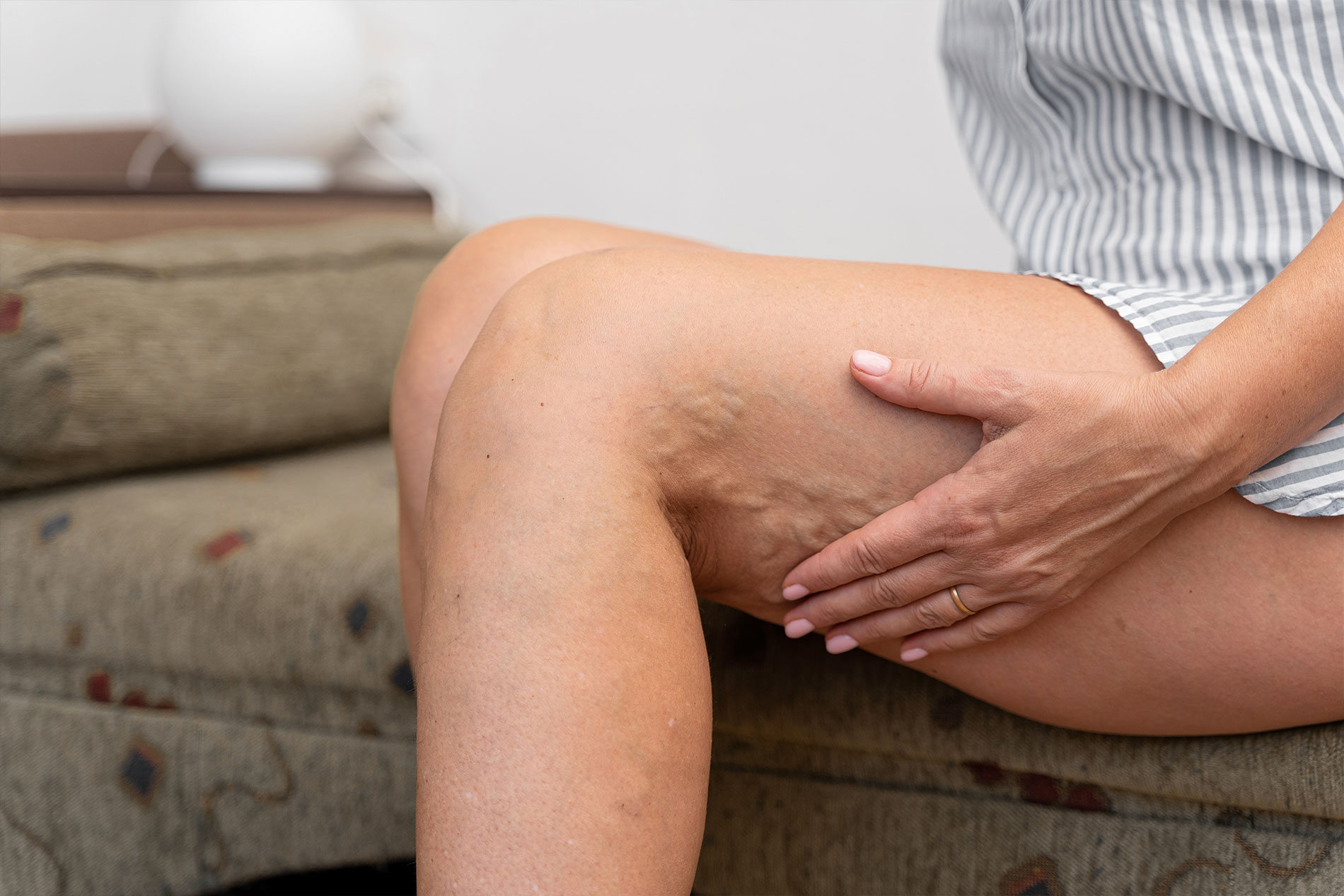

Deciding to move forward with a medical procedure to address chronic knee pain is a significant and empowering step. You have likely spent years enduring the limitations of osteoarthritis, navigating a frustrating cycle of treatments that offer only fleeting relief. Now, as you consider an innovative solution like Genicular Artery Embolization (GAE), it is natural to feel a mix of excitement and apprehension. The promise of lasting relief is compelling, but the process itself might seem like a mystery.
What actually happens during a GAE procedure? Is it painful? What does the recovery involve? Understanding the journey from start to finish can demystify the process, alleviate anxiety, and give you the confidence to take control of your health.
At Fox Vein and Vascular in Manhattan, Dr. David Fox and our expert team believe that a well-informed patient is an empowered patient. We prioritize education and transparency, ensuring you know exactly what to expect at every stage. GAE is not major surgery; it is a sophisticated, minimally invasive procedure designed for maximum comfort, safety, and effectiveness. This guide will provide a detailed, step-by-step walkthrough of the entire GAE experience, from your initial consultation to your recovery and return to a life with less pain.
Phase 1: The Foundation of Success – Preparation and Consultation
A successful GAE procedure does not begin on the day of the treatment; it begins with meticulous preparation and a comprehensive evaluation. This foundational phase is crucial for ensuring you are an ideal candidate and that the procedure is tailored precisely to your unique condition as part of a comprehensive osteoarthritis treatment plan.
The Initial Consultation: Your Personalized Roadmap
Your journey starts with an in-depth consultation with Dr. David Fox, a board-certified vascular surgeon with extensive expertise in complex arterial interventions. This is not a quick, cursory visit. It is a collaborative discussion where your story is heard, and a personalized treatment plan is developed.
During this critical first meeting, you can expect:
- A Detailed Discussion of Your Medical History: Dr. Fox will want to understand the full scope of your knee pain—when it started, what makes it worse, and how it impacts your daily life. He will review all the treatments you have tried, from physical therapy and medications to steroid and gel injections, noting what worked, what didn’t, and for how long.
- A Thorough Review of Imaging Studies: You will be asked to bring any existing imaging of your knee, such as X-rays or an MRI. These images are vital for confirming a diagnosis of osteoarthritis and assessing its severity. Dr. Fox will analyze the degree of cartilage loss and look for signs of joint space narrowing and bone spurs. This helps determine if the inflammatory component of your arthritis is a likely source of your pain.
- A Focused Physical Examination: Dr. Fox will conduct a physical exam of your knee, assessing its range of motion, stability, and locating specific areas of tenderness. This hands-on evaluation helps correlate the findings on your imaging with your actual symptoms.
- A Vascular Health Assessment: As a vascular specialist, Dr. Fox will also evaluate the overall circulatory health of your legs. This may involve a non-invasive test like an Ankle-Brachial Index (ABI) to check for any underlying Peripheral Arterial Disease (PAD) that could affect the procedure. This holistic approach ensures maximum safety.
- Determining Candidacy: Based on all this information, Dr. Fox will determine if you are a strong candidate for this non-surgical knee pain relief option. He will explain the science behind GAE, how it could specifically help your condition, and what realistic outcomes you can expect. This is also your opportunity to ask any and all questions you may have.
Pre-Procedure Instructions: Setting the Stage for a Smooth Day
Once you and Dr. Fox have decided to proceed with GAE, our team will schedule your procedure and provide you with a clear, simple set of instructions. This preparation is straightforward and designed to ensure your safety and comfort.
Common instructions include:
- Medication Adjustments: You will receive specific guidance on which medications to continue and which to temporarily pause. This is particularly important for blood-thinning medications like aspirin, Plavix, Eliquis, or warfarin.
- Fasting: You will be asked not to eat or drink anything for about six to eight hours before your scheduled procedure time. This is a standard safety precaution for any procedure involving sedation.
- Arranging for an Escort: Because you will receive light sedation, you will not be able to drive yourself home. You must arrange for a friend, family member, or car service to escort you home safely.
Following these simple steps ensures that everything is in place for a seamless and successful procedure day. You can learn more about how to prepare by visiting foxvein.com.
Phase 2: The GAE Procedure – A Walkthrough of the Treatment
On the day of your GAE procedure, you will be welcomed into our comfortable, state-of-the-art outpatient facility in Manhattan. The entire experience is centered around you. From the moment you arrive, our team works to ensure you are relaxed and informed. The procedure itself is a marvel of modern medicine, typically lasting between 45 and 90 minutes.
Step 1: Getting Settled and Comfortable
You will change into a medical gown and be brought into our advanced procedure suite. You will lie on a specialized table, and our team will make sure you are warm and comfortable. An IV line will be placed in your arm, through which you will be given a light sedative, often called “twilight sedation.” This is a key point: this is not general anesthesia. You will remain conscious and able to communicate, but you will be in a deeply relaxed, drowsy, and pain-free state. Most patients have little to no memory of the procedure itself.
Step 2: Creating the Access Point
The procedure begins by creating a single, tiny entry point into your arterial system. This access point will serve as the “highway” to the arteries of your knee. Dr. Fox will choose the best access point for your specific anatomy, usually the common femoral artery in your upper thigh or an artery near your ankle (tibial artery).
The chosen area is meticulously cleaned with an antiseptic solution. Dr. Fox then uses a local anesthetic to completely numb the skin and underlying tissue. You might feel a brief pinch or sting, similar to any injection, but the area will become numb within seconds. After that, you will not feel any pain. He then makes a tiny puncture in the skin—no larger than the tip of a ballpoint pen—and places a small, thin tube called a sheath into the artery. This is the sole entry point for the entire procedure. There are no scalpels, no stitches, and no scars.
Step 3: Navigating to the Knee with Precision Imaging
With access established, the next step is to navigate to the knee. Dr. Fox uses a sophisticated imaging technology called fluoroscopy, which is essentially a real-time X-ray video. This allows him to see your arteries and the instruments in high definition as he works.
He carefully guides a very thin, flexible tube called a catheter through the sheath and up through your body’s natural arterial pathways toward your knee. This process is completely painless; you will not feel the catheter moving inside your body. The use of fluoroscopy ensures that the navigation is precise, safe, and efficient.
Step 4: Mapping the Problem Arteries (Angiogram)
This is one of the most critical steps of the procedure. Once the catheter is positioned in the main artery supplying the knee, Dr. Fox injects a special contrast dye. This dye makes the entire arterial network around your knee light up on the X-ray screen, creating a detailed angiogram, or “road map.”
This map is not just a picture of normal anatomy. In an osteoarthritic knee, it will clearly show the areas of hypervascularity—the tangled, abnormal clusters of genicular arteries that are feeding the inflamed synovium. These areas often appear as a “blush” or a dense network of vessels. This precision mapping allows Dr. Fox to identify exactly which arteries are the culprits and to plan the embolization with pinpoint accuracy.
Step 5: Performing the Embolization – Closing the Inflammatory “Fuel Lines”
With the problem arteries identified, the definitive treatment begins. Dr. Fox advances an even smaller and more flexible tube, called a microcatheter, through the primary catheter. He expertly navigates the tip of this microcatheter directly into the targeted abnormal genicular arteries.
Then, through the microcatheter, he slowly and meticulously injects microscopic, spherical particles. These are medical-grade embolic agents, perfectly sized to flow into and block these tiny, abnormal vessels. As the particles are injected, they cut off the excessive blood flow to the inflamed synovial tissue. This is the “embolization.”
Dr. Fox will repeat this process for each of the major genicular artery branches that are shown to be supplying the inflammation. The entire process is monitored in real-time on the fluoroscopy screen to confirm that the abnormal blood flow has been successfully shut down, while the normal, healthy arteries to the rest of the leg remain wide open.
Step 6: Completing the Procedure
Once Dr. Fox has confirmed a successful embolization, the catheters and sheath are gently removed, completing the advanced non surgical knee pain treatment designed to reduce inflammation in the knee. Firm pressure is applied to the tiny puncture site for a few minutes to ensure it has closed. Finally, a small sterile bandage is placed over the entry point. The procedure is now complete. The entire process, from the first step to the last, is a testament to the power of minimally invasive knee pain treatment.
Phase 3: The Gentle Recovery and Return to Life
The recovery from GAE is one of its most remarkable and appealing features, especially when compared to the arduous journey after knee replacement surgery.
Immediately After the Procedure
You will be moved to our comfortable recovery area to rest for about one to two hours. Our nursing team will monitor your vital signs and the access site. You will be offered something to drink and a light snack. Most patients feel well, with no significant pain or grogginess. You will be able to get up and walk with assistance shortly after the procedure. Before you leave, our team will review your discharge instructions with you and your escort.
The First Few Days at Home
You will go home on the same day with very few restrictions.
- Activity: We recommend taking it easy for the first 24 to 48 hours. This means no strenuous exercise, heavy lifting, or prolonged periods of standing. Light walking is encouraged to promote circulation.
- Access Site Care: You can typically remove the bandage the next day and shower. You may notice a small bruise at the puncture site, which is normal and will fade.
- Sensation: As mentioned, some patients experience a mild, temporary increase in knee ache for a few days. This is a positive sign that the treatment is working and can be managed easily with over-the-counter medication like Tylenol or an anti-inflammatory like ibuprofen.
Most patients are back to work and their normal daily routines within two to three days. Find more details on what to expect during recovery at foxvein.com.
The Journey to Lasting Pain Relief
The physical recovery from the procedure is quick, but the therapeutic pain relief is a gradual process that unfolds over the following weeks and months as the inflammation in your knee subsides.
- Weeks 2-6: You will begin to notice a meaningful reduction in your baseline knee pain and stiffness.
- Months 3-6: You will likely experience your maximum level of pain relief as the synovitis fully resolves.
- Beyond 6 Months: The results of GAE are durable, with many patients enjoying years of improved function and reduced pain.
Schedule Your Consultation to Learn More
Understanding what happens during a GAE procedure helps transform it from an unknown into a clear, manageable, and hopeful path forward. It is a safe, sophisticated, and scientifically proven procedure that offers a powerful alternative for patients with osteoarthritis who are trapped between temporary fixes and major surgery.
Dr. David Fox is a leading authority in vascular interventions and is dedicated to providing the highest level of personalized care. He will guide you through every step of the process, ensuring your comfort and confidence.
If you are ready to explore a future with less knee pain and more freedom, take the first step.
Fox Vein and Vascular – Manhattan, NY
(212) 362-3470
foxvein.com
Leading Manhattan Vascular & Vein Specialist
At Fox Vein Care, we provide state-of-the-art vascular and venous treatments, combining advanced diagnostic technology with minimally invasive procedures that prioritize comfort, safety, and outstanding results.
Contact Us