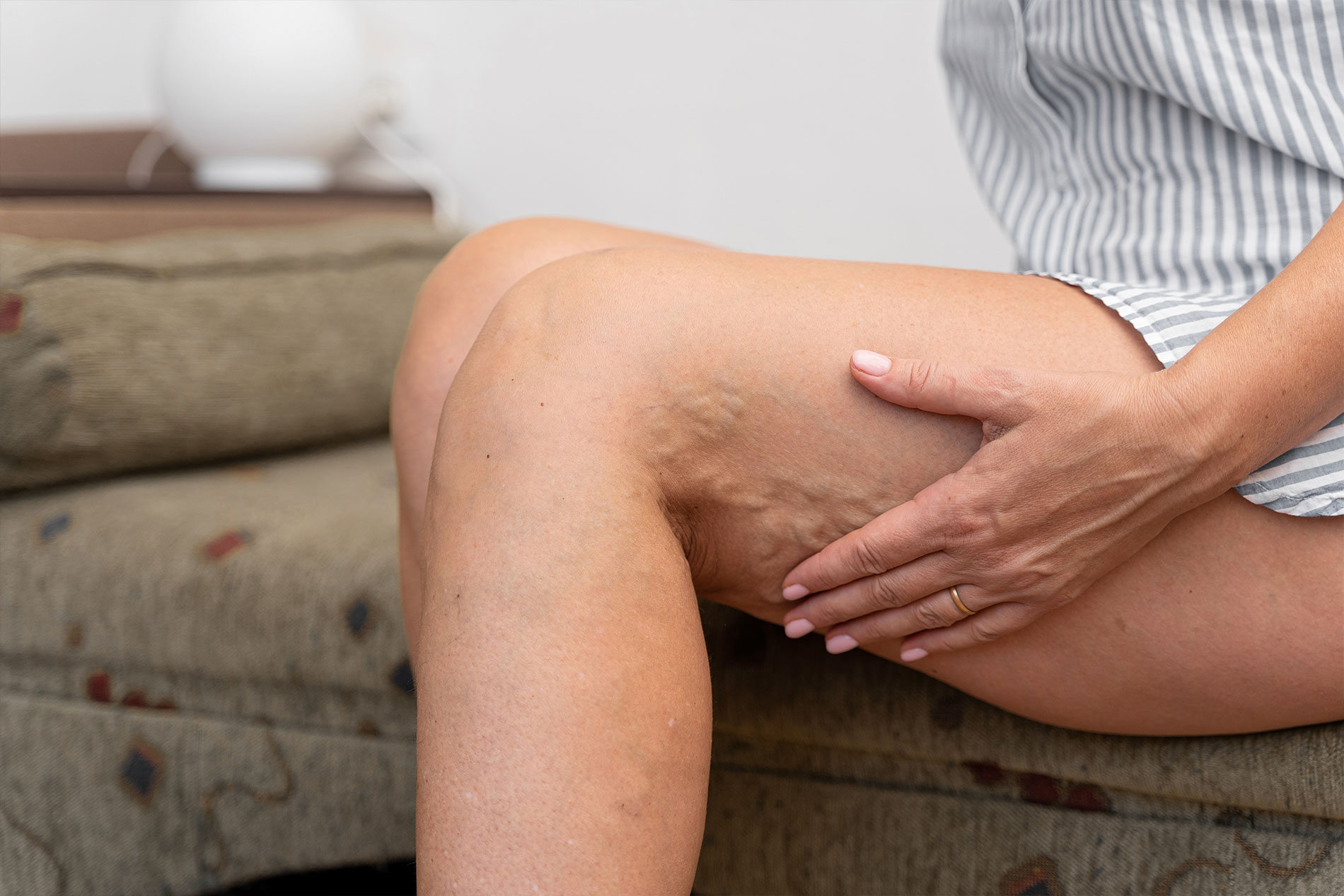

Osteoarthritis (OA) is often thought of as an “old person’s disease”—a condition that inevitably comes with gray hair and retirement. But for a growing number of younger, active adults in their 40s and 50s, chronic knee pain from OA is an unwelcome and life-altering reality. Whether it stems from an old sports injury, genetics, or years of physical stress, early-onset osteoarthritis presents a unique and frustrating challenge. You’re too young to slow down, but your knee pain is forcing you to.
The traditional treatment path for these patients is often a dead end. You may be told you are “too young” for a knee replacement, as artificial joints have a finite lifespan. Instead, you’re advised to manage the pain with injections and medication for the next 10 to 20 years, effectively putting your active life on hold. This “waiting game” is not just frustrating; it can lead to further joint deterioration and a decline in overall health.
Fortunately, a revolutionary procedure is changing this outdated paradigm. Genicular Artery Embolization (GAE) is a minimally invasive non surgical knee pain treatment that offers a powerful solution specifically for younger patients with early to moderate osteoarthritis. It provides long-lasting pain relief by targeting the root cause of pain—inflammation—allowing you to stay active, preserve your joint, and avoid or significantly delay the need for major surgery.
At Fox Vein and Vascular, Dr. David Fox, a board-certified vascular surgeon, is a pioneer in using GAE knee pain treatment to help younger patients reclaim their active lifestyles. This guide will explain why GAE is an ideal intervention for early-stage OA, how it helps preserve long-term joint health, and why it’s a superior choice for those who are not ready to give up on the activities they love.
The Young Knee with an Old Problem: Early-Onset OA
Osteoarthritis in younger individuals often has a different origin story than age-related degenerative OA. It’s frequently the result of:
- Post-Traumatic Arthritis: A significant injury from years ago—like an ACL tear, meniscus damage, or a fracture—can disrupt the joint mechanics and lead to the premature breakdown of cartilage.
- Repetitive Stress: Years of high-impact activities, such as running, soccer, or basketball, can cause cumulative wear and tear that accelerates cartilage loss.
- Genetics: Some people are simply genetically predisposed to developing osteoarthritis earlier in life.
- Obesity: Excess body weight places significant strain on the knee joints, speeding up cartilage wear.
Regardless of the cause, the result is the same: the smooth cartilage in the knee begins to wear down, and the synovial membrane lining the joint becomes chronically inflamed—leading many patients to seek advanced osteoarthritis treatment options. It is this inflammation that is the primary source of the pain, stiffness, and swelling that holds you back.
The Flaw in the “Waiting Game” Approach
The conventional advice for a 45-year-old with moderate knee OA is to “wait as long as you can” for a knee replacement. While well-intentioned, this approach has serious flaws:
- The Vicious Cycle of Inactivity: When your knee hurts, you move less. This leads to muscle atrophy (weakening), weight gain, and increased stiffness. A weaker, heavier body puts even more stress on the already damaged joint, accelerating the arthritic process.
- The Downside of Injections: To manage the pain while waiting, patients are often put on a cycle of injections.
- Steroid Injections: These provide potent but temporary relief. However, repeated steroid use has been shown to be toxic to the remaining cartilage, potentially speeding up the very deterioration you are trying to slow down.
- Viscosupplementation (Gel Shots): These can help with lubrication but do little to stop the underlying inflammation.
- Mental and Emotional Toll: Being told you have to live with chronic pain for a decade or more is demoralizing. It can lead to depression, anxiety, and a significant decline in quality of life.
The “waiting game” is a passive strategy that often allows the condition to worsen. An active, early intervention is needed to break the cycle.
GAE: An Early Intervention to Preserve the Joint
Genicular Artery Embolization is perfectly suited as an early intervention for younger OA patients. It’s not about replacing the joint; it’s about preserving it. GAE works by addressing the biology of the pain, not just the mechanics.
The GAE procedure is a targeted, minimally invasive technique that reduces the abnormal blood flow fueling the chronic inflammation in the knee. By selectively blocking these tiny, newly formed arteries (a process called embolization), GAE effectively “cools down” the joint from the inside.
Here’s why this approach is so beneficial for younger patients:
1. It Breaks the Pain-Inflammation Cycle
By shutting down the inflammatory process, GAE provides significant and long-lasting pain relief. Clinical studies show patients experience durable relief for 12-24 months or longer. This isn’t a temporary mask like an injection; it’s a fundamental shift in the joint’s environment.
2. It Enables a Return to Activity
With pain dramatically reduced, patients can get back to being active. They can engage in physical therapy to strengthen the muscles that support the knee, and they can return to low-impact activities like swimming, cycling, and weight training. This renewed activity helps with weight management and improves overall joint health.
3. It Preserves Natural Anatomy
GAE is a “no-burn-bridges” procedure. It does not involve any cutting of bone, removal of cartilage, or placement of implants. The natural anatomy of your knee is completely preserved. This means that if you ever need or want a knee replacement 10, 15, or 20 years down the line, GAE does not interfere with that option in any way.
4. It Avoids the Risks of Premature Surgery
By providing a long-term solution, GAE allows younger patients to avoid the pitfalls of a premature knee replacement. Artificial joints have a limited lifespan, and a revision surgery (a second replacement) is a much more complex and less successful operation than the primary one. Pushing the need for that first surgery as far into the future as possible is a major long-term win.
For active individuals who want to stay in the game, GAE for early osteoarthritis is a strategy for preservation and longevity. Find out if you are a good candidate for GAE by exploring our resources.
GAE vs. Other Options for Younger Patients
When considering treatments, younger patients have high expectations. They want something effective, durable, and with minimal downtime. Here’s how GAE stacks up against other options.
GAE vs. Arthroscopic Surgery
Arthroscopic “clean-out” surgery (debridement) was once a popular option for knee OA. However, multiple high-level studies have shown that for generalized osteoarthritis, it is no more effective than a placebo. Arthroscopy is now reserved for specific mechanical issues like a locked meniscus tear, not for general OA pain. GAE, on the other hand, is specifically designed to treat the inflammatory pain of OA and has robust clinical data to support its effectiveness.
GAE vs. Regenerative Medicine (PRP/Stem Cells)
PRP and stem cell injections are an area of great interest, but they remain largely investigational for knee OA. The results are highly variable, the treatments are often not covered by insurance, and the long-term data is still limited. GAE is an evidence-based procedure with a clear mechanism of action and consistent, published results showing significant and durable pain relief.
GAE vs. Injections
As discussed, injections are a temporary solution. GAE offers a chance to get off the injection treadmill. It provides a foundational reduction in inflammation that lasts for years, not months.
Why Vascular Expertise is Key for the GAE Procedure
Genicular Artery Embolization is a sophisticated vascular procedure that requires a deep understanding of arterial anatomy and mastery of catheter-based techniques. It’s performed by navigating tiny catheters through the body’s arterial network to reach the small genicular arteries around the knee.
Choosing a board-certified vascular surgeon like Dr. David Fox ensures you are in the hands of a true expert. With over 20 years of experience in performing complex arterial interventions—from treating Peripheral Arterial Disease (PAD) to repairing aortic aneurysms—Dr. Fox has the skill and precision to perform GAE safely and effectively.
At Fox Vein and Vascular, the process is meticulous:
- Comprehensive Consultation: We begin with a thorough evaluation of your symptoms and a detailed review of your knee imaging to confirm you are an ideal candidate.
- Precision Imaging: We use state-of-the-art fluoroscopy (real-time X-ray) to create a detailed “map” of the arteries feeding the inflammation in your specific knee.
- Expert Technique: Dr. Fox’s experience allows for precise delivery of the embolization particles, ensuring that only the abnormal vessels are blocked while preserving healthy blood flow.
This level of expertise is why patients from across Manhattan, the 5 Boroughs, Nassau, Suffolk, South Western Ct., and North East NJ seek out our center for non-surgical knee pain relief. For a look at our advanced treatment philosophy, visit our GAE information page.
Taking Control of Your Knee Health Early
If you are in your 40s or 50s and struggling with chronic knee pain, you do not have to accept “waiting” as your only strategy. You have an opportunity to intervene early, to break the cycle of inflammation and inactivity, and to preserve your joint for the long haul.
Genicular Artery Embolization is more than just a pain relief procedure; it’s an investment in your future. It’s a way to keep you moving, keep you active, and keep you in control of your life. Don’t let early osteoarthritis sideline you during your prime years.
Take the first step towards a more active, pain-free future. Schedule a consultation with Dr. Fox to learn if GAE is the right early intervention for you.
Fox Vein and Vascular – Manhattan, NY
📞 (212) 362-3470
🌐 foxvein.com
📍 1041 Third Avenue, New York, NY 10065
Leading Manhattan Vascular & Vein Specialist
At Fox Vein Care, we provide state-of-the-art vascular and venous treatments, combining advanced diagnostic technology with minimally invasive procedures that prioritize comfort, safety, and outstanding results.
Contact Us