The thought of amputation is frightening, and for many, it seems like a distant, unlikely event. However, for millions of Americans living with Peripheral Artery Disease (PAD), it is a serious and preventable risk. PAD is a circulatory condition where plaque buildup narrows the arteries, restricting blood flow to the limbs, most commonly the legs and feet. When this condition progresses silently and without intervention, it can lead to severe complications, including non-healing wounds, infection, and ultimately, limb loss. The most tragic part is that many of these amputations could be avoided.
Early detection is the single most powerful tool in amputation prevention. By identifying and addressing PAD in its initial stages, blood flow can be restored, tissue damage can be halted, and the devastating cascade toward limb loss can be stopped. Recognizing the subtle signs, seeking a timely diagnosis, and understanding the available treatments are crucial steps in protecting your mobility and your life.
This guide will illuminate the path from subtle PAD symptoms to effective, limb-saving care. We will explore the warning signs you should never ignore, the advanced diagnostic tools that allow for an early PAD diagnosis, and the modern treatments that can restore circulation and preserve your health. Your journey to effective amputation prevention starts with knowledge and proactive care.
Understanding the Path from PAD to Amputation
Amputation is not the first stage of PAD; it is the tragic end stage of a progressive disease that has been left untreated. The process begins with atherosclerosis, the slow hardening and narrowing of arteries due to plaque. This leads to poor blood flow in legs, a condition known as ischemia.
Initially, the lack of oxygen-rich blood may only cause noticeable problems during exertion, resulting in the classic PAD symptom of claudication—leg pain or cramping when walking. As the blocked leg arteries become more severely obstructed, the symptoms worsen. The condition can advance to a critical stage known as Critical Limb Ischemia (CLI).
CLI represents a severe blockage in the arteries, drastically reducing blood flow. This leads to two major problems:
- Ischemic Rest Pain: The tissues are so starved for oxygen that pain occurs even without movement, often in the feet and toes, and typically worsens at night when lying down.
- Tissue Breakdown: The skin and underlying tissues begin to break down due to the lack of nutrients and oxygen. This can result in non-healing wounds, sores, or ulcers, particularly on the toes, feet, or lower legs.
Once a wound develops on an ischemic limb, it creates a dangerous situation. The lack of blood flow prevents the body’s natural healing mechanisms from working. The wound cannot get the oxygen, white blood cells, and nutrients it needs to repair itself. This makes the area highly susceptible to infection. An infection in a limb with poor circulation can spread rapidly, leading to tissue death, a condition known as gangrene. When gangrene sets in and cannot be controlled, amputation becomes a necessary, life-saving measure to stop the infection from spreading throughout the body.
This entire sequence is preventable. Early intervention can halt the progression of PAD long before it reaches the critical stage of CLI, making amputation prevention a realistic and achievable goal.
Don’t Ignore the Warning Signs: Early PAD Symptoms
The body often sends signals long before a crisis occurs. Learning to recognize the early PAD symptoms is the first line of defense against limb loss. Many people dismiss these signs as normal parts of aging, but they are important clues that your circulatory system is in trouble.
Early to Moderate PAD Symptoms:
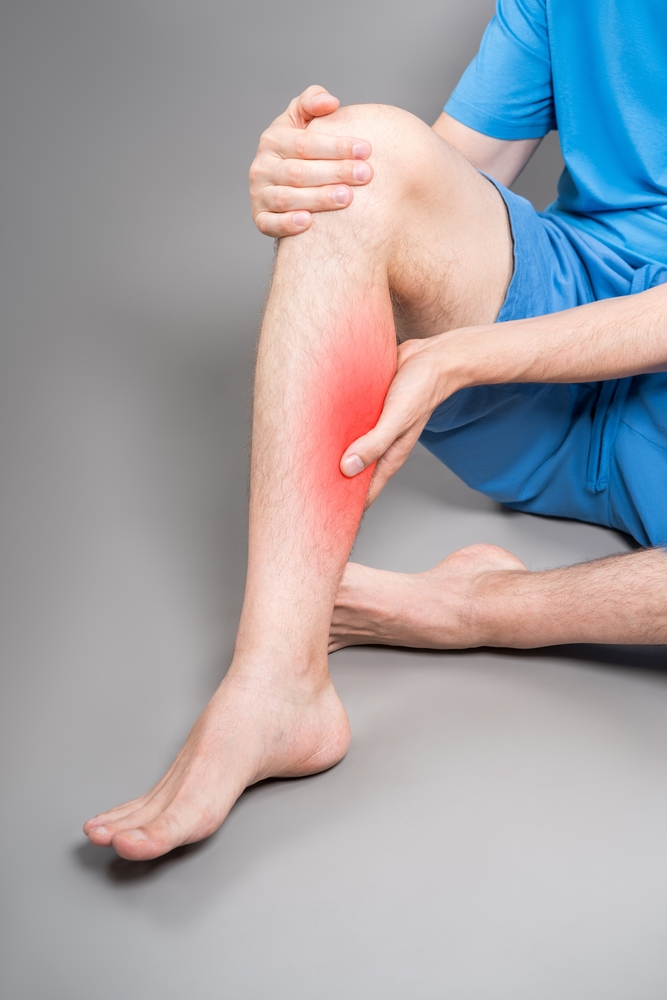
- Claudication: This is the most common and classic symptom. It is pain, cramping, heaviness, or fatigue in the muscles of the legs (calves, thighs, or buttocks) that is triggered by physical activity like walking and is relieved by a few minutes of rest.
- Leg Fatigue or Heaviness: Your legs may feel unusually tired or heavy, even after a short walk.
- Slower Walking Pace: You may find yourself unconsciously slowing down or being unable to keep up with others.
Advanced PAD Symptoms / Critical Limb Ischemia (CLI):
These symptoms indicate a more severe reduction in blood flow and require urgent medical attention from a PAD specialist.
- Ischemic Rest Pain: Pain, numbness, or a burning sensation in the feet or toes that occurs while you are at rest. This pain often disrupts sleep and may be temporarily relieved by dangling the foot over the side of the bed, which allows gravity to help pull a small amount of blood into the foot.
- Non-Healing Wounds or Ulcers: Sores, cuts, or ulcers on the legs, feet, or toes that are slow to heal, or don’t heal at all. A minor injury that would be insignificant on a healthy person can become a major wound on someone with severe PAD.
- Changes in Skin Color and Temperature: One foot might feel noticeably colder than the other. The skin on the leg or foot may become pale, bluish, or purplish. In advanced stages, skin can appear dark or blackened.
- Poor Toenail and Hair Growth: Reduced blood flow affects the health of skin and its appendages. You may notice slow-growing or brittle toenails and a loss of hair on your legs and feet.
- Gangrene: This is the most severe sign, involving the death of tissue. The affected area may turn black, become dry and shriveled, and may or may not be painful. This is a medical emergency.
If you experience any of these symptoms, especially ischemic rest pain or non-healing wounds, it is imperative to seek an immediate evaluation from a vascular expert.
The Power of Early Diagnosis: Tools for Uncovering PAD
You cannot treat what you do not diagnose. Fortunately, modern medicine offers a range of non-invasive and minimally invasive tools to accurately detect PAD, often long before it causes irreversible damage. A comprehensive PAD diagnosis at a specialized facility like Fox Vein and Vascular provides a clear picture of your circulatory health.
Ankle-Brachial Index (ABI) Screening
The ABI is the first-line test for diagnosing PAD. It’s a quick, painless, and highly reliable screening tool that compares the blood pressure in your ankles to the blood pressure in your arms.
- How it Works: Blood pressure cuffs are placed on your arms and ankles. A Doppler device, which uses sound waves to listen to blood flow, is used to measure the pressures.
- Interpreting the Results: In a healthy person, the pressure in the ankles should be slightly higher than or equal to the pressure in the arms (an ABI ratio of 1.0-1.4). A lower ratio (0.90 or less) indicates that there is a blockage somewhere between the heart and the ankle, confirming a PAD diagnosis. A very low ratio suggests more severe disease.
Duplex Ultrasound
If the ABI confirms PAD, a duplex ultrasound is often the next step. This advanced, non-invasive imaging test provides detailed information about your arteries.
- How it Works: The test combines traditional ultrasound (which creates images of the blood vessels) with Doppler ultrasound (which shows blood movement). A technician moves a transducer over the skin of your legs, producing real-time images.
- What it Reveals: A duplex ultrasound can pinpoint the exact location of blocked leg arteries, determine the severity of the blockages, and characterize the type of plaque. This information is crucial for planning the most effective Peripheral Artery Disease treatment.
Advanced Arterial Imaging
In some cases, particularly when planning for a procedure, more detailed imaging may be necessary.
- CT Angiography (CTA): This test uses advanced CT scanning and an injection of contrast dye to create highly detailed, 3D images of the arteries.
- MR Angiography (MRA): Similar to a CTA, but uses MRI technology and a different type of contrast dye.
- Invasive Angiography: Considered the “gold standard,” this procedure is performed by a PAD specialist. A thin catheter is inserted into an artery (usually in the groin or wrist) and guided to the legs. Contrast dye is injected, and X-ray images (fluoroscopy) are taken to create a precise “road map” of the blood vessels. This diagnostic tool is often combined with treatment in the same session.
These diagnostic tools empower vascular specialists to detect PAD early, understand its severity, and create a tailored treatment plan for amputation prevention long before the condition becomes life or limb-threatening.
Questions about your treatment options? Dr. Fox can help.
Book a ConsultationHow Early Treatment Halts the Progression to Amputation
Identifying PAD is only half the battle. The true power of early detection lies in the ability to initiate treatment that can stop or even reverse the course of the disease. By intervening early, a vascular specialist can prevent the progression to CLI and gangrene.
- Preventing Critical Limb Ischemia (CLI):
Early treatment focuses on improving blood flow and managing the risk factors that cause plaque to build up. By widening narrowed arteries and adopting lifestyle changes that slow atherosclerosis, the blood supply to the lower limbs is preserved. This prevents the tissues from ever reaching the state of oxygen starvation that defines CLI and causes ischemic rest pain. - Supporting Wound Healing:
If a patient does develop a wound, early PAD treatment is essential for healing. A non-healing ulcer is a direct result of poor blood flow. By restoring adequate circulation to the area, the body’s natural healing resources—oxygen, nutrients, and immune cells—can finally reach the wound. This is the first and most critical step in the treatment for leg ulcers due to PAD. Without restoring blood flow, even the most advanced wound care will fail. - Avoiding Infection and Gangrene:
Adequate blood flow is also necessary for the immune system to fight off infection. When circulation is poor, bacteria can multiply unchecked in a wound, leading to serious infection and gangrene. Restoring blood flow allows antibiotics (if needed) to reach the infected tissue and empowers the body’s own defenses.
Early treatment transforms PAD from a limb-threatening emergency into a manageable chronic condition. It shifts the focus from damage control to proactive health management.
Modern Treatment Options for Amputation Prevention
Today’s approach to Peripheral Artery Disease treatment is proactive and minimally invasive. The goal is to restore blood flow, relieve symptoms, and prevent complications with procedures that offer high success rates and quick recovery times. A comprehensive plan typically involves a combination of lifestyle changes, medication, and, when necessary, advanced procedures.
Lifestyle Modifications and Medication
This is the foundation of all PAD management.
- Supervised Exercise Program: A structured walking program is one of the most effective therapies for improving walking distance and reducing claudication.
- Dietary Changes: A heart-healthy diet low in saturated fats, trans fats, and sodium can help lower cholesterol and blood pressure.
- Smoking Cessation: Smoking is the single most significant risk factor for PAD. Quitting is essential for stopping disease progression.
- Medication: A PAD specialist may prescribe medications to lower cholesterol (statins), control blood pressure, manage diabetes, and prevent blood clots (antiplatelet therapy like aspirin or clopidogrel).
Minimally Invasive Treatments for PAD
For patients with significant symptoms, CLI, or non-healing wounds, lifestyle changes alone are not enough. Restoring blood flow directly is necessary. Modern endovascular techniques allow specialists to fix blocked leg arteries from the inside, without the need for major open surgery. These procedures are often performed in an outpatient setting.
- Angioplasty: A tiny, deflated balloon is guided to the site of the blockage via a catheter. The balloon is then inflated, compressing the plaque against the artery wall and widening the vessel to restore blood flow.
- Atherectomy: This procedure uses a specialized catheter equipped with a tiny rotating shaver, laser, or other device to physically remove the plaque from the artery wall. This can be particularly effective for hard, calcified plaque.
- Stenting: After an artery is opened with angioplasty or atherectomy, a stent—a small, metal mesh tube—may be placed inside the artery. The stent acts as a scaffold to keep the artery open and ensure long-term blood flow.
These minimally invasive procedures are the cornerstone of modern amputation prevention. They can immediately alleviate ischemic rest pain, provide the necessary blood flow to heal stubborn leg ulcers, and turn the tide against CLI and gangrene.
Take Control of Your Vascular Health Today
The risk of amputation from Peripheral Artery Disease is real, but it is not inevitable. By understanding the connection between poor blood flow in legs and its severe consequences, you can take empowered, proactive steps to protect yourself. Pay attention to your body’s warning signs—leg pain, cramping, numbness, or sores that won’t heal are not things to be ignored. These are urgent signals to seek expert medical care.
Early detection through simple, painless tests like the ABI can provide a clear diagnosis and set you on a path to effective management. With a combination of lifestyle changes, medication, and today’s advanced, minimally invasive treatments for PAD, the progression toward amputation can be decisively halted.
If you have risk factors for PAD—such as being over 50, smoking, having diabetes, high blood pressure, or high cholesterol—or if you are experiencing any of the symptoms discussed, a vascular evaluation is the most important step you can take. Dr. David Fox and the team at Fox Vein and Vascular are dedicated to limb preservation and amputation prevention for patients in Manhattan, the 5 Boroughs, and the surrounding NY, NJ, and CT areas. We offer state-of-the-art diagnostic testing and personalized, cutting-edge treatment plans to restore your circulation and preserve your quality of life.
For more information, visit foxvein.com or call (212) 362-3470.