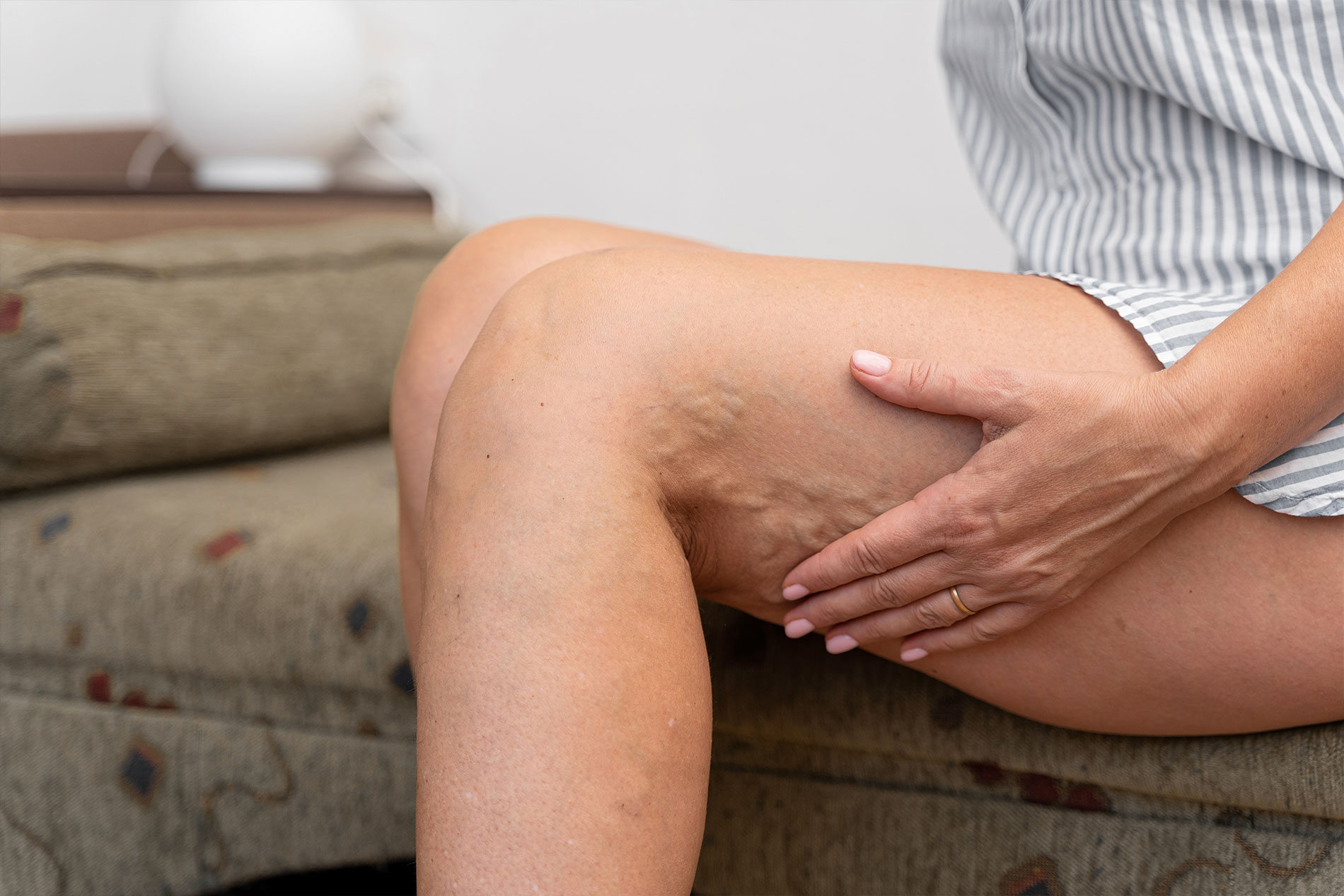
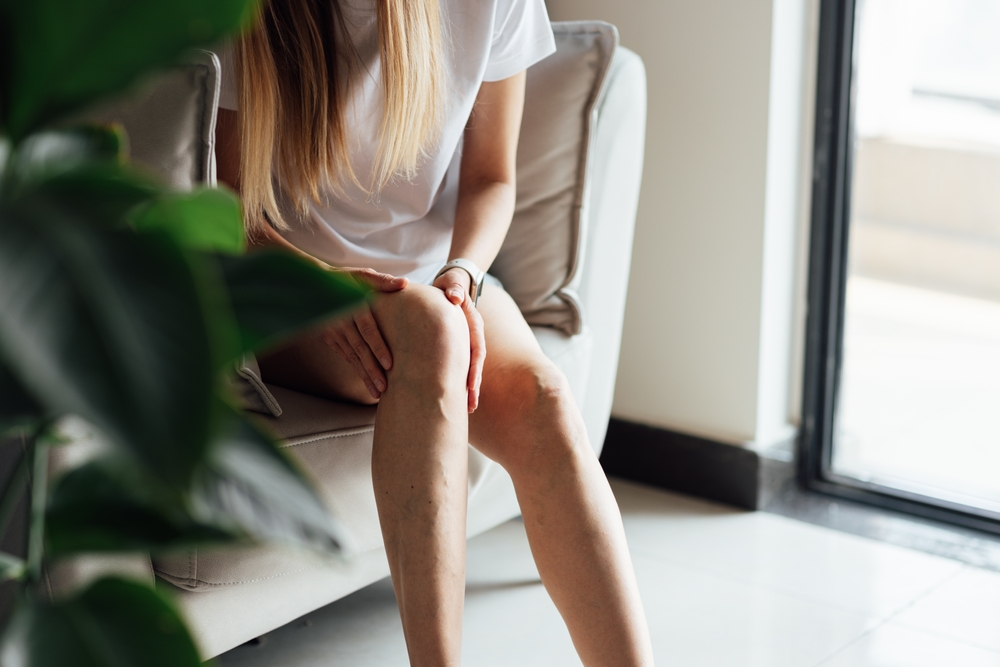
Many people think of varicose veins as just a cosmetic issue—those twisting, bulging blue or purple lines that appear on the legs. While it’s true that their appearance can cause concern, varicose veins are often much more than a surface-level problem. For millions of individuals, they are a significant source of daily discomfort, causing persistent leg pain and swelling. If you’ve been wondering whether your aching, heavy legs are connected to those visible veins, the answer is a definitive yes. Understanding this connection is the first step toward finding effective relief and improving your quality of life.
This comprehensive guide will explore the relationship between varicose veins, leg pain, and swelling. We will delve into the underlying causes, the specific symptoms to watch for, and the advanced treatment options available. By the end, you’ll have a clear understanding of why these symptoms occur and how a qualified varicose vein doctor in Manhattan can provide the care you need.
Understanding Varicose Veins and How They Form
Before we connect varicose veins to pain and swelling, it’s essential to understand what they are and why they develop. Your veins are a critical part of your circulatory system, responsible for returning deoxygenated blood from your body back to your heart. To accomplish this, especially in the legs, veins have to work against gravity. They contain tiny, one-way valves that open to let blood flow toward the heart and then close to prevent it from flowing backward.
Varicose veins develop when these valves become weak or damaged. This condition, known as chronic venous insufficiency, causes the valves to fail. Instead of flowing efficiently upward, blood begins to pool in the lower leg veins. This accumulation of blood increases the pressure inside the vein, causing it to stretch, twist, and enlarge. The result is the visible, bulging veins we recognize as varicose veins.
Several factors can increase your risk of developing this condition:
- Genetics: A family history of varicose veins is one of the strongest predictors.
- Age: The natural wear and tear on vein valves over time can lead to their malfunction.
- Gender: Women are more prone to developing varicose veins due to hormonal changes associated with puberty, pregnancy, and menopause, which can relax vein walls.
- Pregnancy: The increased blood volume and pressure on pelvic veins during pregnancy can contribute to their development.
- Obesity: Excess weight puts additional pressure on the veins in your legs.
- Prolonged Standing or Sitting: Jobs or lifestyles that require long periods in one position can hinder healthy blood flow.
For a more detailed look at what varicose veins are and why they occur, you can visit the Varicose Veins Treatment page at Fox Vein Care.
The Link Between Venous Insufficiency, Pain, and Swelling
The connection between varicose veins and uncomfortable symptoms like pain and swelling lies in the increased pressure within the affected veins, a condition called venous hypertension. When blood pools in the lower legs, it creates a cascade of effects that lead to significant discomfort.
How Increased Pressure Causes Vein Pain
The pooling blood stretches the walls of the veins beyond their normal capacity. This stretching can trigger pain receptors in the vein walls, leading to a variety of uncomfortable sensations. The pain is often described as:
- Aching or throbbing: A constant, dull ache that can feel deep within the leg.
- Heaviness: A feeling that your legs are weighed down and difficult to lift.
- Burning or tingling: A sensation of heat or pins and needles along the path of the affected vein.
- Muscle cramping: Sudden, sharp pains, especially at night, that can disrupt sleep.
These vein symptoms in legs tend to worsen throughout the day as gravity takes its toll. The discomfort is often most pronounced in the evening after hours of sitting or standing and may be temporarily relieved by elevating the legs.
Why Leg Swelling Occurs with Varicose Veins
The same internal pressure that causes pain is also responsible for leg swelling and veins. As pressure builds inside the damaged vein, fluid from the blood can leak out of the tiny capillaries and into the surrounding tissues. This process is what causes edema, or swelling, most commonly around the ankles and lower legs.
At first, the swelling might be subtle, perhaps only noticeable by the tightness of your shoes or socks at the end of the day. Over time, as the venous insufficiency progresses, the swelling can become more persistent and pronounced. This chronic swelling not only adds to the feeling of heaviness and tightness but can also lead to more serious complications if left untreated, such as skin changes and venous ulcers.
Identifying the Key Vein Symptoms in Legs
While bulging veins are the most obvious sign, the discomfort they cause can manifest in many ways. Recognizing these symptoms is crucial for seeking timely medical advice from a vein specialist near me. If you experience any of the following, it’s a strong indicator that your varicose veins are more than a cosmetic concern.
Common Descriptions of Vein Pain
Patients often struggle to describe their leg discomfort, but some common themes emerge. Does any of this sound familiar?
- A deep, persistent ache that settles in your calves or thighs.
- Legs that feel tired and heavy, even after a night of rest.
- Sharp, cramping pains that wake you up at night.
- A burning or itching sensation directly over the varicose veins.
- Restless legs syndrome, an irresistible urge to move your legs, which is often linked to underlying venous disease.
These symptoms are classic indicators that your bulging veins are causing significant circulatory issues. The pain is a direct result of the veins struggling to do their job against the backflow of blood.
Patterns of Leg Swelling and Other Changes
Swelling related to varicose veins typically follows a predictable pattern. It’s often worse in the evening and better in the morning after your legs have been elevated during sleep. As you go about your day, gravity causes fluid to accumulate again.
In addition to swelling, you might notice other changes in the skin and tissues of your lower legs:
- Skin Discoloration: The skin around the ankles may darken, turning a reddish-brown color. This is caused by red blood cells leaking into the tissue.
- Skin Texture Changes: The skin can become dry, itchy, and thin, a condition known as venous eczema or stasis dermatitis.
- Hardening of the Skin: In advanced cases, the skin and underlying tissue can become firm and leathery, a condition called lipodermatosclerosis.
- Venous Ulcers: The most severe complication is the development of open sores, or ulcers, usually near the ankle. These ulcers are difficult to heal because of the poor circulation in the area.
If you are experiencing any of these symptoms, it is time to consult a chronic vein condition specialist near me. These are signs that your venous disease is progressing and requires medical intervention.
When to Seek Professional Vein Care Treatment in Manhattan
Ignoring vein pain and swelling can lead to a significant decline in your quality of life and increase your risk for more serious health problems, such as deep vein thrombosis (DVT), superficial thrombophlebitis, and non-healing leg ulcers. The good news is that modern vein treatments are minimally invasive, highly effective, and designed to address both the cosmetic appearance and the underlying medical problem.
Finding the right varicose vein doctor in Manhattan is the most important step. Look for a board-certified vascular surgeon who specializes in diagnosing and treating venous diseases. A dedicated Manhattan vein clinic, like Fox Vein Care, will offer a comprehensive approach, starting with a thorough evaluation to determine the extent of your condition.
For further details about specific treatments and care options available, you can also visit Fox Vein Care’s comprehensive Manhattan vein treatment page.
The Diagnostic Process
Your first visit will typically involve a physical examination of your legs and a detailed discussion of your symptoms and medical history. The cornerstone of modern vein diagnosis is a vascular ultrasound, also known as a duplex scan. This non-invasive test uses sound waves to create a map of your veins and provides your doctor with critical information:
- It identifies which specific veins and valves are damaged.
- It measures the direction and speed of blood flow, confirming the presence of reflux (backward flow).
- It helps rule out other potential causes of your symptoms, such as blood clots (DVT).
This detailed diagnostic map allows your doctor to create a personalized treatment plan tailored to your unique anatomy and needs.
Advanced, Minimally Invasive Treatment Options
Gone are the days of painful, invasive vein stripping surgery that required a hospital stay and a long recovery. Today, the best vein doctors in Manhattan use state-of-the-art, office-based procedures that are safe, effective, and require little to no downtime.
At a leading center like Fox Vein Care, you can expect to find a range of advanced therapies. These treatments focus on closing the diseased vein, which reroutes blood flow to healthier, surrounding veins. The body then naturally absorbs the closed vein over time.
Endovenous Laser Treatment (EVLT)
EVLT is considered the gold standard for treating large varicose veins, particularly the great saphenous vein, which is often the primary source of the problem. During this procedure:
- Your doctor uses ultrasound to guide a thin laser fiber into the diseased vein through a tiny entry point.
- Local anesthetic is administered along the length of the vein to ensure your comfort.
- The laser energy is activated, delivering gentle heat that seals the vein wall shut from the inside.
The entire process takes less than an hour, and you can walk out of the office immediately afterward. You will be instructed to wear compression stockings for a period to aid in healing.
Sclerotherapy
Sclerotherapy is a highly effective treatment for both spider veins and smaller varicose veins. It involves injecting a medicated solution (sclerosant) directly into the targeted vein. This solution irritates the vein lining, causing it to collapse and eventually be absorbed by the body. Ultrasound-guided sclerotherapy allows the specialist to precisely target deeper veins that are not visible on the surface.
Ambulatory Phlebectomy
For large, bulging surface veins that remain after the underlying source vein has been closed, ambulatory phlebectomy is an excellent option. During this procedure, the doctor makes tiny micro-incisions over the visible vein and removes it in small sections. The incisions are so small that they typically do not require stitches and heal with minimal scarring.
Choosing the right vein treatment near me depends on the size, location, and severity of your varicose veins. A skilled specialist will often use a combination of therapies to achieve the best possible medical and cosmetic results.
The Benefits of Treating Varicose Veins
Undergoing vein care treatment in Manhattan does more than just improve the appearance of your legs. The most significant benefit is the relief from painful and debilitating symptoms. Once the diseased veins are closed, the pooling of blood stops, and the pressure in your lower legs normalizes.
Patients who undergo treatment report numerous improvements:
- Elimination of Pain: The aching, throbbing, and cramping sensations disappear.
- Reduction in Swelling: Legs feel lighter, and swelling around the ankles subsides.
- Increased Energy and Mobility: Without the heavy, tired feeling, you can return to activities you enjoy, like walking, exercising, and playing with your children or grandchildren.
- Prevention of Complications: Treating venous insufficiency halts the progression of the disease, preventing skin damage and the formation of venous ulcers.
- Improved Appearance: The bulging veins fade away, restoring a smoother, healthier look to your legs and boosting your confidence.
Take Control of Your Leg Health Today
If you suffer from leg pain, swelling, heaviness, or cramping, it’s time to stop dismissing those symptoms as an inevitable part of aging or your job. Your varicose veins are likely a medical condition that is causing your discomfort, and effective, long-lasting relief is available.
The first step is to schedule a consultation with a top vein specialist near me. An expert evaluation at a reputable Manhattan vein clinic will provide you with a definitive diagnosis and a clear path toward healthier, pain-free legs. With today’s advanced, minimally invasive procedures, you can resolve your vein issues with minimal discomfort and downtime, allowing you to get back to living your life to the fullest. Don’t let vein pain hold you back any longer.
Leading Manhattan Vascular & Vein Specialist
At Fox Vein Care, we provide state-of-the-art vascular and venous treatments, combining advanced diagnostic technology with minimally invasive procedures that prioritize comfort, safety, and outstanding results.
Contact Us