
When It May Be a Sign of Peripheral Arterial Disease (PAD)
Leg pain while walking is often dismissed as aging, muscle strain, or joint stiffness. However, when discomfort consistently occurs during activity and improves with rest, it may signal an underlying circulation problem.
This symptom pattern is known as claudication and is commonly associated with Peripheral Arterial Disease (PAD).
At Fox Vein & Vascular in Manhattan, we specialize in diagnosing and treating circulation-related leg pain using advanced, minimally invasive vascular techniques designed to restore blood flow and protect long-term health.

What Is Claudication?
Claudication refers to muscle pain caused by insufficient blood flow during physical activity.
When arteries supplying the legs become narrowed or blocked by plaque buildup, muscles do not receive adequate oxygen during walking. This leads to:
- Cramping
- Tightness
- Aching
- Fatigue
When you stop walking, oxygen demand decreases, and the pain typically improves within minutes.
This pattern is a hallmark sign of Peripheral Arterial Disease.
What Is Peripheral Arterial Disease (PAD)?
PAD occurs when fatty deposits accumulate inside arteries, reducing circulation to the legs.
Over time, decreased blood flow can cause:
- Persistent pain
- Worsening mobility
- Slow-healing wounds
- Tissue damage
- Increased risk of limb-threatening complications
PAD is a serious but treatable vascular condition.
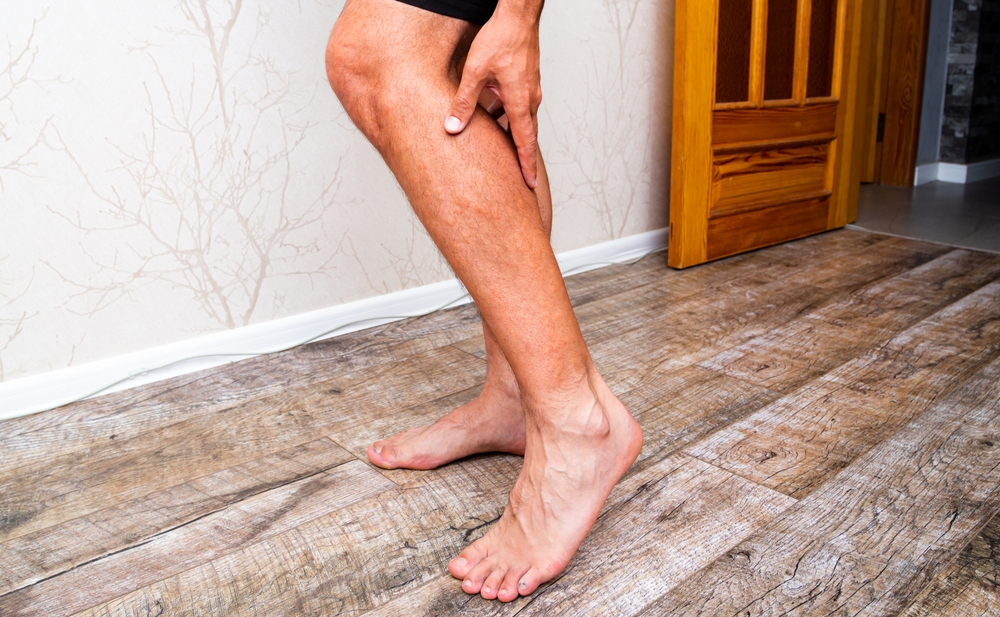
Symptoms of Circulation-Related Leg Pain
Common symptoms include:

Cramping in calves, thighs, or buttocks while walking
Pain that improves with rest
Cold feet
Numbness or weakness
Shiny skin on legs
Hair loss on lower legs
Discoloration of toes
Wounds that heal slowly
Many patients attribute these symptoms to aging — delaying proper diagnosis.
Who Is at Risk for PAD?
You may have a higher risk if you:
- Are over age 50
- Have diabetes
- Have high blood pressure
- Have high cholesterol
- Smoke or previously smoked
- Have heart disease
- Have a family history of vascular disease
Diabetes significantly increases PAD risk and the likelihood of complications.


The Link Between Inflammation and Blood Flow
In osteoarthritis, inflammatory chemicals stimulate the growth of tiny abnormal blood vessels around the knee joint. These vessels can contribute to:
- Persistent inflammation
- Increased sensitivity of pain fibers
- Swelling
- Chronic discomfort
By addressing this abnormal blood flow, it may be possible to reduce inflammation and alleviate pain — without replacing the joint.
This approach represents a shift in how we think about knee pain management.
Why Early Diagnosis Is Critical
Early-stage PAD may cause only mild symptoms. However, untreated disease can progress to:
- Rest pain
- Non-healing ulcers
- Infection
- Tissue damage
- Critical limb ischemia
Prompt evaluation allows intervention before serious complications occur.

How We Diagnose Leg Pain in Manhattan
At Fox Vein & Vascular, we use advanced non-invasive testing to assess circulation, including:
 Ankle-Brachial Index (ABI)
Compares blood pressure in the ankle and arm to identify arterial narrowing.
Pulse Volume Recording (PVR)
Measures blood flow patterns in the legs.
Duplex Ultrasound
Provides real-time imaging of arteries and blood flow.
Advanced Imaging
Used when more detailed evaluation is needed.
Our goal is to determine the severity of blockage and create a personalized treatment plan.
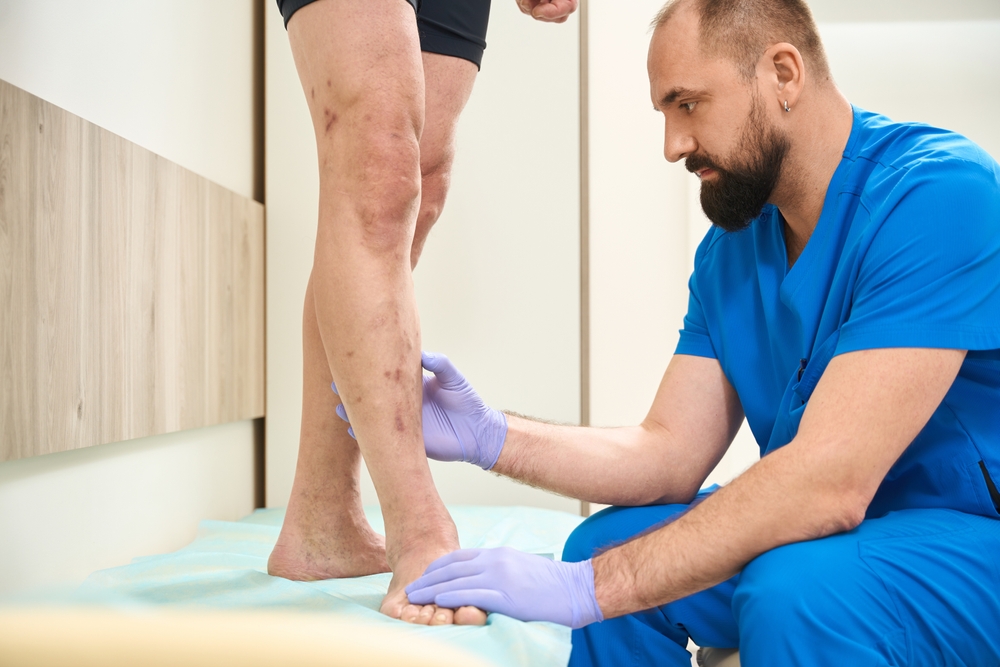
Minimally Invasive PAD Treatment Options
When treatment is needed, options may include:
Angioplasty
A balloon is used to widen narrowed arteries.
Atherectomy
Plaque buildup is removed to improve circulation.
Stent Placement
A small mesh device supports the artery to maintain blood flow.
Endovascular Procedures
Performed through small access points without open surgery.
These treatments are typically outpatient procedures with shorter recovery times compared to traditional surgery.
The Importance of Limb Preservation
Untreated PAD increases the risk of limb-threatening complications. Early treatment focuses on:
• Restoring blood flow
• Reducing pain
• Improving walking distance
• Protecting tissue health
• Preventing amputation
Our approach prioritizes long-term vascular stability.

When to Seek Urgent Care
Seek immediate evaluation if you experience:
- Pain in feet at rest
- Non-healing wounds
- Blackened or discolored toes
- Sudden severe symptoms
These may indicate advanced arterial disease requiring urgent intervention.
Why Choose Fox Vein & Vascular?
- Specialized vascular expertise
- Advanced diagnostic testing
- Minimally invasive focus
- Outpatient same-day procedures
- Manhattan-based convenience
We focus on identifying the true cause of your leg pain — not simply masking symptoms.



Schedule Your Leg Pain Evaluation
If leg pain while walking is limiting your mobility or quality of life, a vascular evaluation may reveal a treatable cause.
Early diagnosis can prevent progression and protect your long-term health.
We Accept Most Insurances
We work with most major insurance providers. Contact us to confirm coverage.