We are all guilty of it—ignoring a nagging ache or a new symptom, hoping it will simply disappear on its own. It is human nature to avoid the doctor until something becomes unbearable. When it comes to our legs, we often dismiss heaviness, swelling, or spider veins as cosmetic nuisances or signs of getting older. However, if the root cause is chronic vein disease, this “wait and see” approach can be dangerous.
Chronic venous insufficiency (CVI) is a progressive medical condition. Unlike a common cold, it does not run its course and go away. Without intervention from a qualified professional, it inevitably worsens. What starts as a cosmetic concern or mild discomfort can evolve into serious, life-altering complications.
If you have been searching for a “vein specialist near me” but haven’t made the appointment yet, this guide is for you. We will walk through the stages of untreated vein disease, explaining exactly what happens to your body when vascular issues are ignored, and why early vein care treatment Manhattan residents trust is your best defense against long-term damage.
Understanding the “Progressive” Nature of Vein Disease
To understand why untreated vein disease is dangerous, you must first understand the mechanics of the condition. Your veins are responsible for carrying oxygen-depleted blood back to your heart against gravity. Inside your leg veins, tiny one-way valves act as gates to prevent blood from flowing backward.
When these valves fail—due to genetics, age, pregnancy, or lifestyle—blood leaks backward and pools in the lower leg. This is called venous reflux.
The Pressure Cooker Effect
Imagine a balloon being filled with water. As more water enters, the pressure increases, and the rubber stretches. This is essentially what happens to your veins. As blood pools, the pressure within the vein walls (venous hypertension) rises.
If untreated, this pressure doesn’t just stay in the vein; it radiates outward, affecting the surrounding skin and tissues. This is why the disease progresses from simple visual veins to complex skin disorders and open wounds. The longer the pressure remains high, the more damage it causes.
Stage 1: The “Silent” or Mild Symptoms
In the beginning, vein disease is easy to ignore. You might not even see bulging veins yet. The symptoms are often felt rather than seen.
Early Warning Signs
- Heaviness: Legs feel tired or heavy at the end of the day.
- Mild Swelling: Socks leave a deeper impression than usual.
- Spider Veins: Small red or blue webs appear on the skin.
- Itching: A persistent itch around the ankles that lotion doesn’t fix.
At this stage, the valves are failing, but the body is managing to compensate somewhat. This is the “golden window” for treatment. Seeing a best vein doctor near me at this stage can prevent all future complications. However, because the pain is manageable, many patients skip the doctor and move on to the next stage.
Stage 2: Visible Varicose Veins and Pain
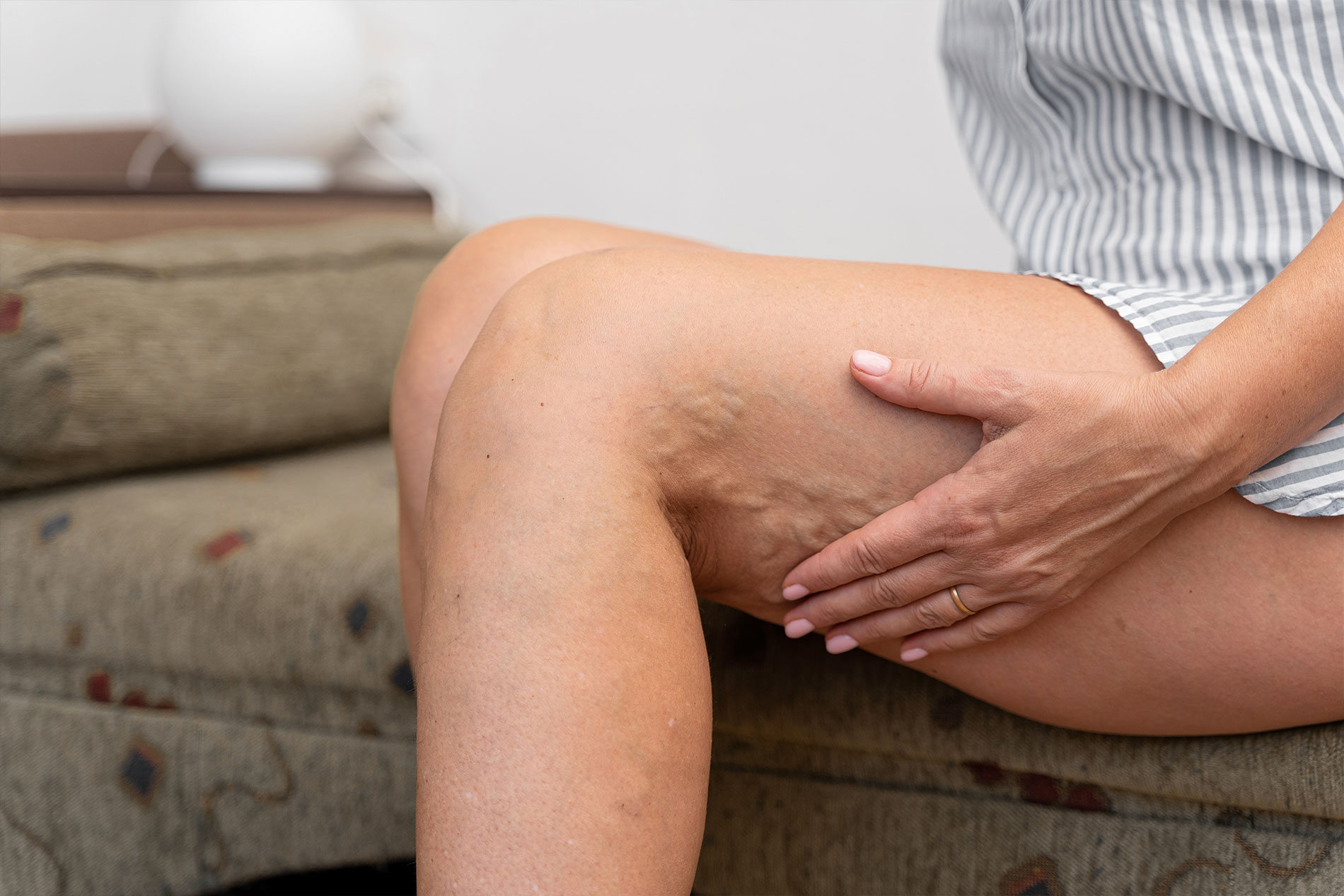
If the pooling blood continues unchecked, the vein walls eventually stretch beyond their limits. They twist, bulge, and rise above the surface of the skin. These are varicose veins.
While many people view these as cosmetic, they are a sign of significant valve failure. At this point, the “backup” of blood is substantial.
Worsening Symptoms
- Throbbing Pain: A deep ache in the legs, often described as a toothache in the calf.
- Cramping: Sudden, painful muscle contractions, especially at night.
- Burning: A sensation of heat over the affected veins.
Leaving varicose veins untreated is not just about living with “ugly” legs. It is about allowing a large volume of stagnant blood to sit in your limbs every day. This stagnation is the breeding ground for the severe complications that follow.
Stage 3: Chronic Edema (Swelling)
As venous hypertension persists, the pressure inside the veins becomes so high that fluid is forced out of the blood vessels and into the surrounding soft tissue. This is edema.
Initially, the swelling might go down overnight when you elevate your legs. But if the vein disease remains untreated, the swelling can become permanent. The lymphatic system, which usually drains excess fluid, becomes overwhelmed by the volume of leakage from the veins.
The Impact of Swelling
Chronic swelling makes the legs feel heavy and stiff. It limits mobility, making exercise difficult, which in turn leads to weight gain—a factor that further worsens vein disease. It becomes a vicious cycle that requires intervention from a chronic vein condition specialist near me to break.
Stage 4: Skin Changes (Stasis Dermatitis)
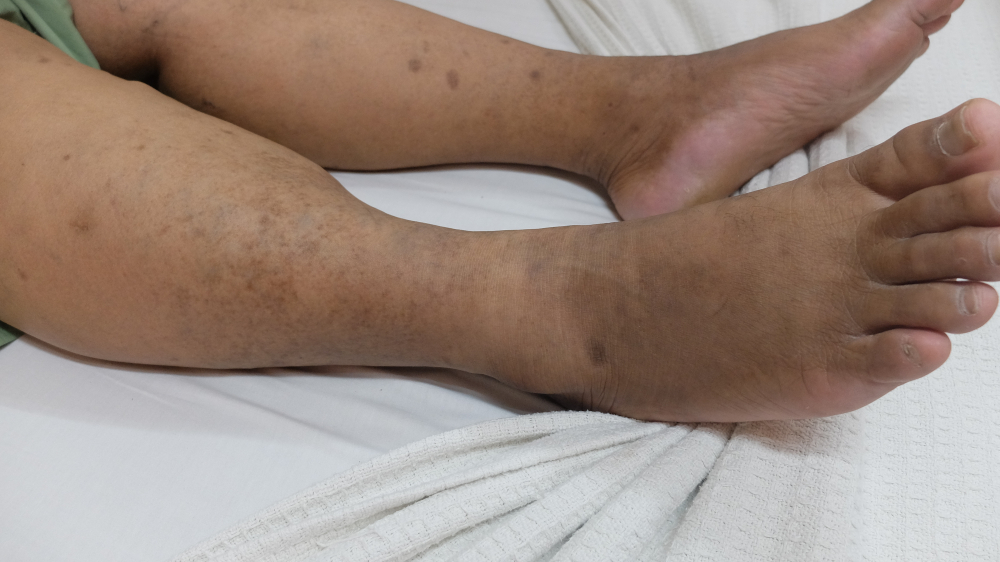
This is a critical turning point in the progression of the disease. The fluid leaking into your tissues contains blood cells. When these red blood cells break down, they release iron (hemosiderin), which deposits into the skin.
Discoloration
You will notice the skin around your ankles and shins turning a reddish-brown or rusty color. This is not a tan; it is permanent staining from iron deposits.
Inflammation
The skin becomes inflamed, red, scaly, and intensely itchy. This condition is known as venous eczema or stasis dermatitis. Many patients mistake this for a dermatological issue and treat it with topical creams. However, creams only mask the symptom. Unless the underlying venous reflux is treated by a specialist, the skin inflammation will persist and worsen.
Stage 5: Lipodermatosclerosis
If you continue to ignore the warning signs, the chronic inflammation begins to scar the fat and skin tissue underneath the surface. The skin loses its elasticity and becomes hard, thick, and leather-like.
The “Champagne Bottle” Leg
As the tissue hardens, it contracts. This can cause the lower calf to shrink while the upper calf remains swollen, creating a shape that resembles an inverted champagne bottle.
This condition, Lipodermatosclerosis, is painful. The skin feels tight and tender. It is a sign that the tissues are starved of oxygen and nutrients because the circulation is so compromised. At this stage, the risk of developing an ulcer is extremely high.
Stage 6: Venous Leg Ulcers
The most dreaded complication of untreated chronic vein conditions
Related: Learn about our full range of vein treatments for chronic vein conditions in Manhattan.
Explore more: What is chronic venous insufficiency? Find out about causes and symptoms here.
Interested in minimally invasive solutions? Read how our Manhattan vein clinic can help.
See all conditions treated: Visit the chronic vein conditions page for more details.
is the venous leg ulcer.
Because the skin tissue is swollen, inflamed, and poorly nourished by oxygenated blood, it becomes incredibly fragile. A minor scratch—from a pet, a piece of furniture, or even vigorous scratching of an itch—can cause the skin to break down.
Why They Are Dangerous
Unlike a normal cut that heals in a few days, a venous ulcer does not heal. The high pressure in the veins prevents fresh, oxygenated blood from reaching the wound to repair it. These ulcers:
- Are open, weeping wounds usually located near the ankle.
- Are extremely painful.
- Are highly prone to infection (cellulitis).
- Can persist for months or even years if the vein disease is not treated.
Treating an active ulcer is difficult and requires diligent wound care combined with correcting the underlying vein problem. Preventing the disease from reaching this stage is the primary goal of any vein specialist near me.
The Threat of Deep Vein Thrombosis (DVT)
While the complications listed above affect the skin and superficial tissues, untreated vein disease also poses a risk to your life through Deep Vein Thrombosis (DVT).
DVT is a blood clot that forms in the deep veins of the leg. While CVI typically affects the superficial veins, the sluggish blood flow caused by untreated CVI increases the risk of clots forming in the deep system.
Why DVT is Life-Threatening
If a piece of the clot breaks off, it can travel through the bloodstream to the lungs, causing a Pulmonary Embolism (PE). A PE blocks blood flow to the lungs and can be fatal.
Symptoms of DVT
- Sudden, intense swelling in one leg.
- Pain or tenderness that feels like a cramp.
- Redness and warmth over the area.
If you have untreated varicose veins and experience these symptoms, it is a medical emergency. Regular check-ups with a vein care treatment Manhattan provider can monitor your risk and prevent the stasis that leads to clotting.
Spontaneous Bleeding (Hemorrhage)
This is a rare but frightening complication. Over time, the high pressure in the veins pushes them closer and closer to the surface of the skin. The skin over the vein becomes paper-thin.
If this thin skin is nicked—by shaving, scratching, or bumping into something—the vein can burst. Because the vein is under high pressure, the bleeding can be profuse and difficult to stop. This often requires emergency medical attention to control the bleeding, followed by definitive treatment of the vein to prevent recurrence.
The Mental Toll of Untreated Vein Disease
The physical progression is scary, but we cannot ignore the psychological impact. Living with untreated vein disease changes how you live.
- Loss of Confidence: Patients often stop wearing shorts, skirts, or swimsuits because they are embarrassed by the appearance of their legs.
- Social Isolation: The pain and heaviness make standing or walking difficult, leading patients to decline social invitations or stop traveling.
- Chronic Pain: Living with constant, low-level pain is exhausting and can lead to irritability and depression.
By treating the disease, you aren’t just fixing a vein; you are reclaiming your lifestyle.
Why Do People Delay Treatment?
Given the severity of these complications, why do so many people wait?
Myth 1: “It’s Just Cosmetic”
Many insurance companies and patients historically viewed varicose veins as a cosmetic issue. However, modern medicine recognizes CVI as a functional medical condition. If you have symptoms like pain or swelling, treatment is almost always considered medically necessary.
Myth 2: “The Treatment is Worse Than the Disease”
Decades ago, vein treatment meant “vein stripping”—a brutal surgery with general anesthesia and long recovery times. This outdated reputation lingers. Today, treatments are minimally invasive, performed in-office, and involve little to no downtime.
Myth 3: “They Will Just Come Back”
While there is no cure for the genetic predisposition to vein disease, modern treatments are incredibly effective at closing the specific diseased veins. With proper maintenance and follow-up with a best vein doctor near me, recurrence can be managed effectively.
The Importance of Early Intervention
The progression described above—from spider veins to ulcers—is not instantaneous. It takes years. This means you have years of opportunity to intervene.
Treating vein disease in Stage 1 or 2 is simple. It usually involves quick, non-invasive procedures that seal the vein and immediate relief from symptoms. Treating vein disease in Stage 6 involves complex wound care, antibiotics for infections, and a much longer road to recovery.
Early intervention saves you:
- Pain: Why suffer for years when relief takes less than an hour?
- Money: Preventing ulcers and DVT is far cheaper than treating them.
- Time: Recovering from a laser procedure takes minutes; healing an ulcer takes months.
Modern Treatment Options: Stopping the Progression
If you recognize yourself in any of these stages, it is not too late. A chronic vein condition specialist near me has a toolkit of advanced technologies to halt the disease progression.
Endovenous Laser Ablation (EVLT)
This is the gold standard for treating the root cause (reflux). A thin fiber delivers laser energy to seal the bad vein shut. The body reroutes blood to healthy veins, instantly lowering the pressure in the leg. This prevents further skin damage and reduces swelling.
Sclerotherapy
For visible surface veins, a special solution is injected to collapse them. This is often done in conjunction with EVLT to clean up the “branches” after the main “trunk” has been fixed.
Ultrasound-Guided Foam Sclerotherapy
This allows the doctor to treat larger, twisted veins that are hidden beneath the skin but contributing to the problem.
VenaSeal and Varithena
These are chemical and adhesive options that close veins without heat, offering yet another comfortable alternative for patients.
What to Expect at Your Appointment
Taking the first step is often the hardest. When you visit a vein care treatment Manhattan clinic, the process is straightforward:
- Mapping: You will undergo a Duplex Ultrasound. This non-invasive scan maps the blood flow and identifies exactly which valves have failed.
- Staging: The doctor will determine which stage of disease you are in (CEAP classification).
- Plan: A customized plan is created to address your specific anatomy and severity.
Conclusion: Don’t Wait for the Wake-Up Call
Chronic vein disease is a sleeping giant. It moves slowly, quietly causing damage beneath the surface until it wakes up with painful, visible, and dangerous complications.
You do not have to wait for an ulcer or a blood clot to take your leg health seriously. The heaviness, the swelling, and the aching you feel right now are your body’s way of asking for help.
By seeking a vein specialist near me today, you can stop the progression of the disease in its tracks. You can prevent the skin damage, eliminate the risk of spontaneous bleeding, and significantly lower your risk of DVT. Most importantly, you can get back to living a life free from the constant drag of heavy, painful legs.
Your future self will thank you for making the call today. Don’t let untreated vein disease dictate your mobility or your health—take control and schedule your consultation.
FAQs on Untreated Vein Disease
Q: Can I just wear compression stockings instead of surgery?
A: Compression stockings are great for managing symptoms and slowing progression, but they do not fix the underlying broken valves. They are a management tool, not a cure.
Q: If I have no pain, but have big veins, should I be worried?
A: Yes. Large varicose veins indicate significant reflux. Even without pain, the high pressure is damaging your skin and increasing DVT risk. It is worth an evaluation.
Q: Is treatment covered by insurance?
A: Generally, yes. If you have symptoms (pain, swelling, skin changes) and an ultrasound confirms reflux, most insurance plans cover treatment as medically necessary.
Q: Can untreated vein disease cause heart problems?
A: Vein disease itself doesn’t cause heart disease, but it shares risk factors (obesity, inactivity). However, a DVT that moves to the lungs (Pulmonary Embolism) can strain the heart and is life-threatening.
Q: How fast does the disease progress?
A: It varies by patient. Factors like multiple pregnancies, obesity, and jobs that require standing can accelerate progression from mild veins to ulcers in just a few years.
Leading Manhattan Vascular & Vein Specialist
At Fox Vein Care, we provide state-of-the-art vascular and venous treatments, combining advanced diagnostic technology with minimally invasive procedures that prioritize comfort, safety, and outstanding results.
Contact Us