Walking is one of the most fundamental human activities. It is how we navigate our world, maintain our independence, and stay healthy. We often take the simple act of putting one foot in front of the other for granted—until it becomes difficult.
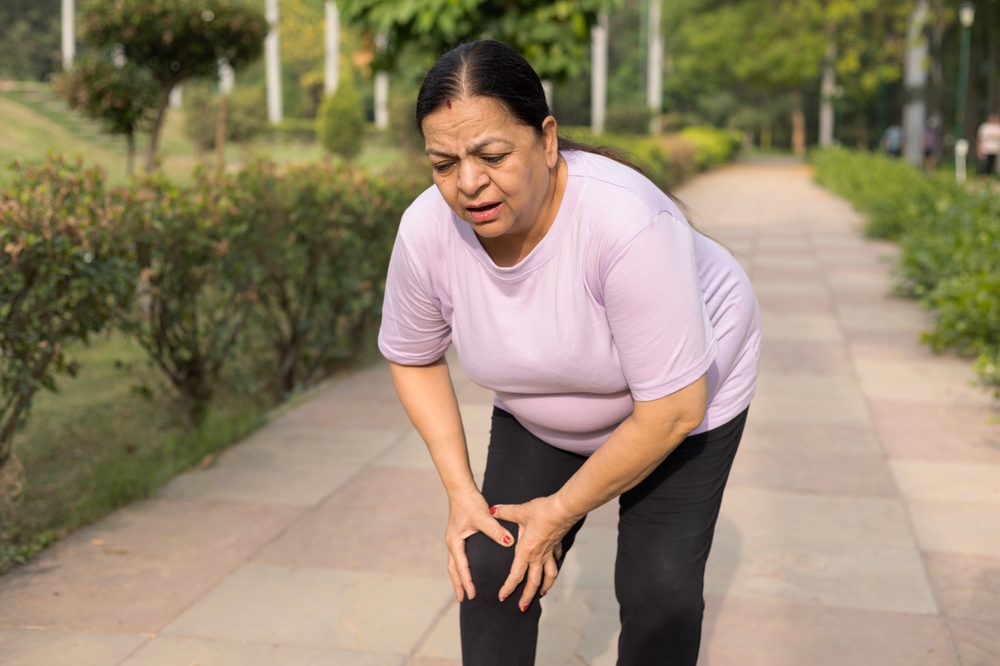
For millions of people, walking isn’t simple. It is accompanied by a sensation of heaviness, a dull ache that grows with every step, or swelling that makes shoes feel like vices. While many people attribute these symptoms to aging, arthritis, or simply being “out of shape,” the culprit is often hiding just beneath the surface of the skin: Chronic Venous Insufficiency (CVI). For a detailed explanation of CVI and other venous conditions, visit our Conditions We Treat page.
The relationship between vein health and mobility is profound yet frequently overlooked. Many patients suffer in silence, slowly reducing their activity levels to cope with the discomfort, unaware that their veins are the root cause. If you find yourself searching for a vein specialist near me because your legs just don’t feel “right,” you are already sensing that connection. Learn more about our physician’s expertise on the About Us page.
In this comprehensive guide, we will explore exactly how chronic vein disease hijacks your mobility. We will break down the physiological reasons for leg heaviness, the dangerous cycle of inactivity, and how advanced vein care treatment Manhattan specialists—like those at Fox Vein & Vascular—can help you get back on your feet—pain-free.
The Physiology of Movement: Your Venous System
To understand why vein disease impacts your ability to move, we first need to understand how your legs function as a hydraulic system.
When you walk, your legs are doing heavy lifting—literally. Your arteries pump oxygenated blood down to your toes effortlessly, aided by gravity. The return trip, however, is a battle against gravity. Your veins must push that blood back up to the heart.
Curious about how we assess venous health? Explore our diagnostic vascular laboratory testing options.
The Calf Muscle Pump
The hero of this story is the “calf muscle pump.” Every time you take a step, your calf muscle contracts. This contraction squeezes the deep veins in your leg, shooting blood upward. Inside your veins, tiny one-way valves open to let the blood pass and snap shut to prevent it from falling back down.
When the System Fails
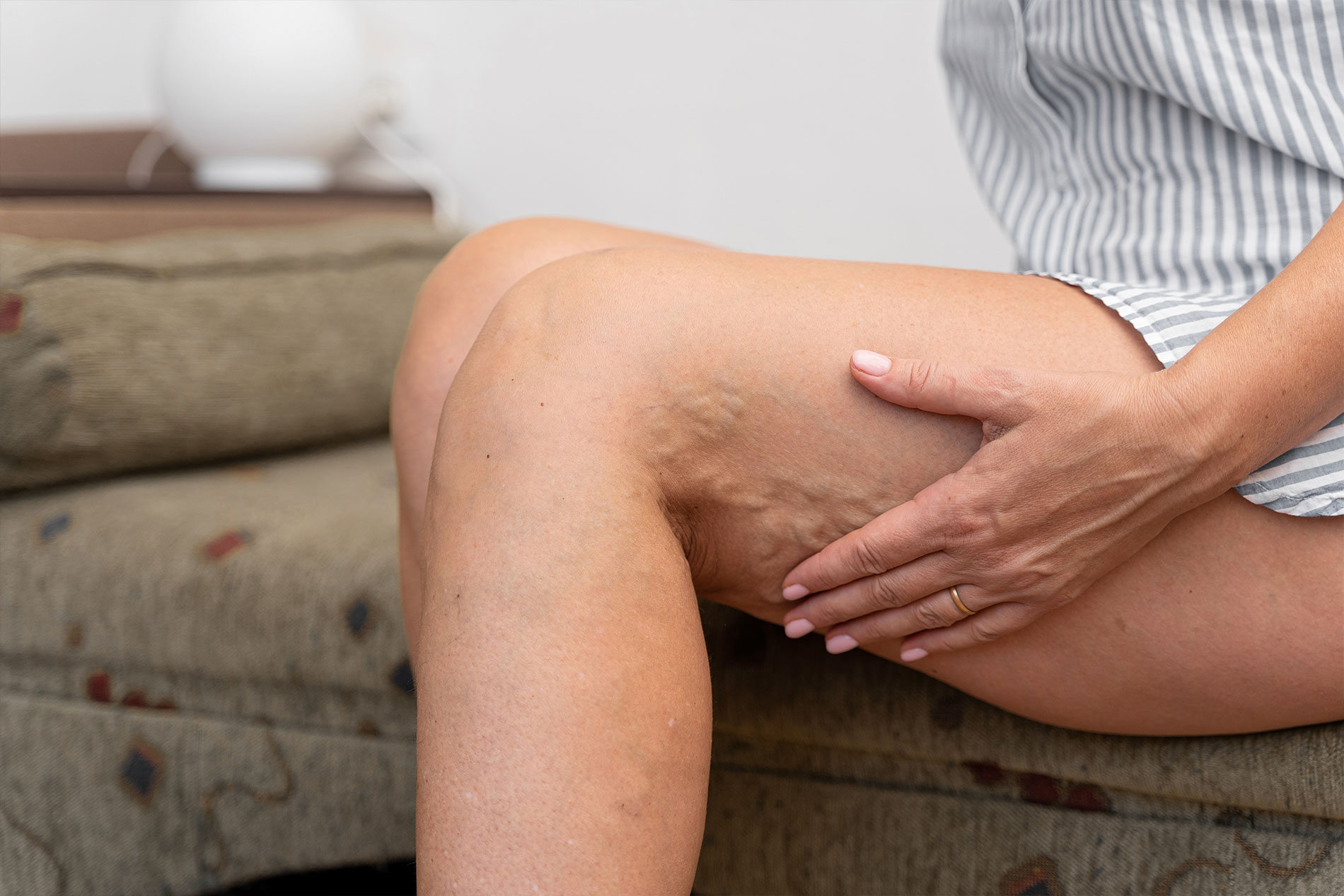
In patients with chronic vein disease, these valves are damaged or weakened. They fail to close tightly. Consequently, when the muscle relaxes, gravity pulls the blood backward (a process called reflux). The blood pools in the lower legs, increasing pressure in the veins.
This pooling creates a physical drag on your legs. It is not just a cosmetic issue of spider veins; it is a mechanical failure that adds weight and pressure to your limbs, directly affecting how—and how much—you move.
Learn more about the causes and progression of chronic vein conditions.
The “Heavy Leg” Syndrome and Mobility
The most common complaint heard by a chronic vein condition specialist near me isn’t always sharp pain—it is “heaviness.” Patients often describe their legs feeling like lead weights or tree trunks.
This sensation is a direct result of fluid accumulation. As blood pools due to valve failure, fluid leaks into the surrounding tissues. This excess fluid adds physical weight to the leg. While a few extra ounces of fluid might not seem like much, the constant, dragging sensation creates significant fatigue.
The Impact on Daily Life
This heaviness changes behavior subtly at first:
- You might take the elevator instead of one flight of stairs.
- You might cut your evening walk short.
- You might decline invitations to events that require standing.
- You might stop gardening or golfing because the fatigue sets in too quickly.
Over time, this heaviness acts as a brake on your mobility, turning exercise from a source of energy into a source of exhaustion.
If you’re noticing these lifestyle changes, consider requesting an appointment to discuss your symptoms with a board-certified vein specialist.
Identifying Vein Symptoms in Legs That Limit Movement
Recognizing vein symptoms in legs is crucial for differentiating vascular issues from orthopedic ones. While arthritis causes joint pain, vein disease causes “whole leg” discomfort. Take a look at our vein pain and leg swelling page for more detailed symptom guides.
1. The Aching Throb
Vein pain is distinct. It is often described as a dull, deep ache that worsens as the day goes on. It is typically less severe in the morning (after legs have been horizontal all night) and peaks in the evening. This timing is key—if your mobility decreases as the hours pass, your veins are likely involved.
2. Edema (Swelling)
Swelling restricts the range of motion in the ankle. When the ankle is swollen, it feels stiff and tight. This stiffness prevents the proper flexion of the foot, which alters your gait. You may start walking differently to accommodate the stiffness, leading to secondary issues in your hips or knees.
For information about swelling and its management, visit our leg swelling and veins section.
3. Venous Claudication
In severe cases, patients experience venous claudication. This is intense pain that occurs during exercise because the veins cannot clear the blood fast enough to keep up with the increased blood flow required by the muscles. The result is a “bursting” pain that forces the person to stop walking and elevate their legs.
4. Restless Legs and Cramping
Many people with vein disease suffer from night cramps (Charley horses) or Restless Leg Syndrome (RLS). While this happens at night, it affects mobility during the day by causing sleep deprivation. Chronic fatigue from poor sleep further reduces the motivation and energy needed to stay active.
The Vicious Cycle of Inactivity
Perhaps the most dangerous aspect of vein disease is the cycle it creates.
- Pain leads to Inactivity: Because walking hurts or feels heavy, you walk less.
- Inactivity leads to Stasis: The less you walk, the less your calf muscle pump works.
- Stasis leads to Worsening Disease: Without the pump working, blood pools even more, causing valves to stretch further and fail faster.
- Worsening Disease leads to More Pain: The symptoms intensify, leading to even less movement.
Breaking this cycle is essential. Simply “pushing through the pain” is often not enough because the mechanical failure of the valves prevents the exercise from being effective at clearing the blood. This is why intervention from a vein specialist near me is often necessary to restore the ability to exercise effectively. See how our treatment options address each stage of vein disease.
Differentiating Vein Issues from Orthopedic Issues
It is common for patients to confuse vein pain with knee or hip problems. You might be searching for an orthopedic surgeon when you actually need a vascular specialist—or vice versa.
The “Knee Pain” Trap
Chronic venous insufficiency often causes pain around the knee area, particularly on the inner leg where the Great Saphenous Vein runs. If you have been treated for knee pain but haven’t found relief, or if your “knee pain” comes with swelling in the calf and ankle, the root cause might be vascular. Knee pain specialists can work in collaboration with vein experts for comprehensive care.
Similarly, untreated vein disease can aggravate existing arthritis. If your legs are swollen, your joints are under more pressure. Reducing the swelling through vein treatment often provides surprising relief to “arthritic” knees, improving overall mobility. Read more about how we address overlapping symptoms in our dedicated treatment options section.
Complications That Cripple Mobility
If left untreated, chronic vein disease progresses. The early stages of heaviness can evolve into serious complications that can severely limit or destroy mobility.
Venous Stasis Ulcers
When the pressure in the veins remains high for years, it damages the tiny capillaries in the skin. The skin becomes fragile, discolored (stasis dermatitis), and eventually breaks down into an open wound called a venous ulcer. These ulcers are painful, prone to infection, and extremely slow to heal. Having an open wound on the ankle makes walking painful and difficult, often confining patients to their homes for weeks or months. Learn more about skin changes and ulcer care.
Lipodermatosclerosis
This is a condition where the skin and fat of the lower leg become inflamed and eventually harden. The skin texture changes to feel like wood or leather. As the tissue hardens, it contracts, creating a “champagne bottle” shape to the leg. This hardening creates a literal physical restriction on the tissues, making the calf tight and painful to move.
Deep Vein Thrombosis (DVT)
Stagnant blood is prone to clotting. A superficial clot (thrombophlebitis) causes redness and tenderness that limits movement. A deep clot (DVT) causes severe swelling and pain and can be life-threatening if it travels to the lungs. Post-Thrombotic Syndrome, a long-term complication of DVT, causes chronic, debilitating pain and swelling that permanently affects mobility. See our PAD diagnosis and treatment page for further vascular information.
Who Is Most at Risk for Mobility Loss?
While anyone can develop vein disease, certain groups are more susceptible to mobility-limiting complications.
- Seniors: Aging naturally reduces muscle mass and vein elasticity.
- The Obese: Excess weight adds pressure to the veins and the joints, compounding mobility issues.
- Those with a Family History: Genetics are the primary predictor of vein health. Learn more about hereditary risks on our chronic vein conditions page.
- Professionals who Stand: Teachers, nurses, and factory workers often suffer from high venous pressure.
Diagnosis: The First Step to Regaining Movement
If you feel your world shrinking because your legs can’t keep up, the first step is a diagnostic ultrasound.
When you visit a chronic vein condition specialist near me, they will perform a painless mapping of your leg veins using advanced imaging technology. This allows them to see the reflux (backward flow) in real-time. They can quantify how severe the reflux is and determine if it correlates with your symptoms.
This diagnosis validates your experience. It confirms that you aren’t just “tired”—you have a mechanical issue that can be fixed.
Discover more about what to expect at your first consultation and evaluation.
Modern Vein Care Treatment: Restoring Mobility
The good news is that restoring mobility is the primary goal of modern vein treatment. Gone are the days of bed rest and vein stripping. Today’s treatments are designed to get you walking immediately.
If you are looking for vein care treatment Manhattan, you will find minimally invasive options that target the root cause of the swelling and heaviness.
Visit our vein & vascular treatments page for a list of procedures.
Endovenous Laser Ablation (EVLT)
This is the gold standard for treating the underlying cause of venous insufficiency. A thin fiber delivers laser energy to seal the diseased vein. By closing the “broken” vein, blood is rerouted to healthy veins that have functioning valves.
- Mobility Impact: The pooling stops. The heaviness lifts. Patients often report their legs feeling “lighter” within days of the procedure.
Read more about EVLT and minimally invasive treatments.
Sclerotherapy
Used for smaller veins, this involves injecting a solution that collapses the vein.
- Mobility Impact: Reduces the localized pain and burning associated with surface veins, making clothes more comfortable and movement less irritating.
Find details about sclerotherapy for spider veins and cosmetic treatments.
Varithena and VenaSeal
These are chemical and adhesive alternatives to heat-based ablation. They are excellent for tortuous (twisted) veins.
- Mobility Impact: These procedures often require no tumescent anesthesia, meaning you walk out of the office with zero downtime, immediately resuming your daily steps.
Explore more on innovative treatment options.
Immediate Recovery
One of the best aspects of these treatments is that walking is not just allowed; it is required. Doctors instruct patients to walk immediately after the procedure to promote blood flow in the deep veins. There is no cast, no crutches, and no bed rest.
For recovery planning, see our patient resources and FAQs.
Conservative Management to Support Mobility
While procedures fix the broken valves, lifestyle changes support the remaining healthy veins. These are actionable steps you can take today to improve your mobility.
Compression Therapy
Compression stockings are the best non-surgical tool for mobility. By squeezing the leg, they manually assist the veins in pushing blood upward. They reduce the diameter of the veins, which helps valves close better.
- Tip: Put them on first thing in the morning before swelling starts. Many athletes use them to improve recovery and performance—they are not just for the elderly.
Our conservative vein care strategies include education on proper compression use.
Elevation
Gravity is the enemy of diseased veins. Whenever you are sitting, try to get your legs up. Even a slight elevation helps drain the pooled blood, reducing the pressure that causes the “heavy leg” feeling.
Ankle Flexion Exercises
If you are stuck at a desk or on a plane, pump your ankles. Point your toes down, then pull them up toward your shin. Repeat this 20 times every hour. This mimics the walking motion and engages the calf pump even when you are stationary.
The Psychological Benefit of Treatment
Regaining mobility isn’t just physical; it’s psychological. Chronic pain and the inability to participate in family walks, vacations, or simple chores can lead to feelings of isolation and depression.
Treating chronic vein conditions often acts as a catalyst for a healthier lifestyle. Once the pain and heaviness are gone, patients find they want to exercise again. They lose weight, their heart health improves, and their mental outlook brightens. It is a positive cycle that replaces the negative vicious cycle of inactivity.
Read our patient reviews to see how life-changing vein treatment can be.
Finding the Right Specialist
Your legs are your vehicle for life. Trusting them to a general practitioner or a dermatologist might result in cosmetic improvements, but it won’t necessarily address the functional mobility issues caused by deep venous reflux.
When searching for a specialist, look for:
- Board Certification: Specifically in vascular surgery or phlebology.
- Comprehensive Diagnostics: A clinic that relies on ultrasound, not just visual inspection.
- Holistic Approach: A doctor who asks about your activity levels and lifestyle, not just the appearance of your legs.
Meet our expert team and learn about Dr. David Fox, MD, FACS and their experience.
Conclusion
Can chronic vein disease affect mobility? The answer is an emphatic yes. It weighs you down, causes pain, and creates a barrier between you and an active life. But it does not have to be permanent.
The sensation of heavy, tired legs is a signal from your body that your circulation needs help. By ignoring it, you risk long-term damage and a progressively sedentary lifestyle. By addressing it, you open the door to renewed energy and freedom of movement.
If you are tired of declining invitations because your legs hurt, or if you simply want to enjoy a walk in the park without fatigue, it is time to act. Search for a vein specialist near me or reach out to a trusted vein care treatment Manhattan center. Modern, minimally invasive treatments can lift the weight off your legs and help you reclaim the active life you deserve.
Frequently Asked Questions
Q: Will fixing my veins really make my legs feel lighter?
A: Yes. Most patients report a significant reduction in leg heaviness and fatigue once the backward flow of blood is stopped.
Q: Can I walk after vein treatment?
A: Absolutely. Walking is encouraged immediately after procedures like EVLT or sclerotherapy to promote healthy circulation and prevent clots.
Q: Is leg swelling always caused by veins?
A: Not always. Kidney, heart, and liver issues can also cause swelling. However, if the swelling is worse in the evening and accompanied by visible veins or aching, venous insufficiency is a primary suspect. Find more details in our vein symptoms and diagnosis section.
Q: How long does it take to recover mobility after treatment?
A: Recovery is typically immediate. You can resume normal walking right away, though strenuous gym workouts might be paused for a few days.
Q: Can vein disease cause permanent disability?
A: If left untreated, severe complications like venous ulcers or DVT can lead to long-term mobility issues. Early treatment is the best prevention. For urgent situations or concerns, contact our office directly.
Leading Manhattan Vascular & Vein Specialist
At Fox Vein Care, we provide state-of-the-art vascular and venous treatments, combining advanced diagnostic technology with minimally invasive procedures that prioritize comfort, safety, and outstanding results.
Contact Us