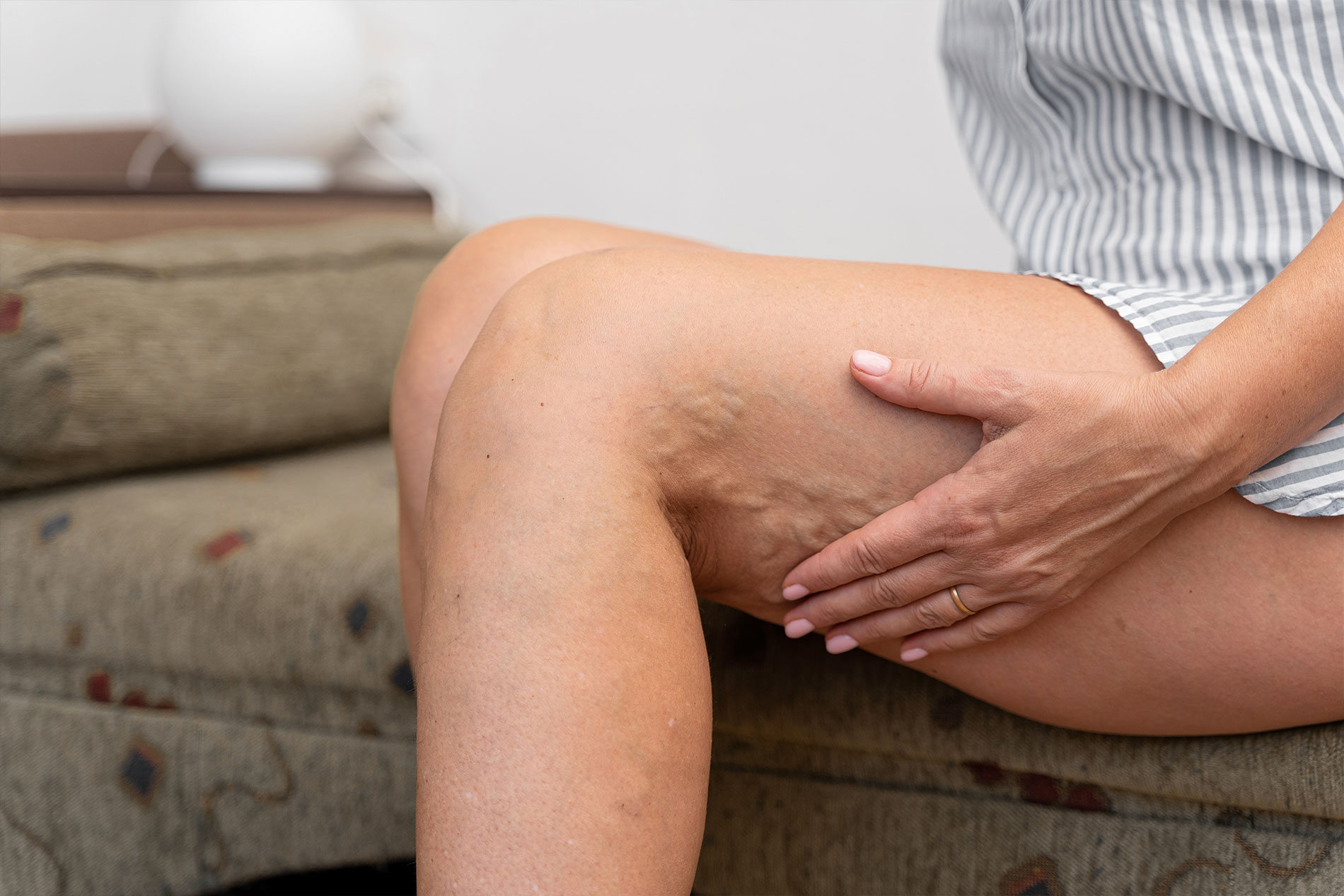
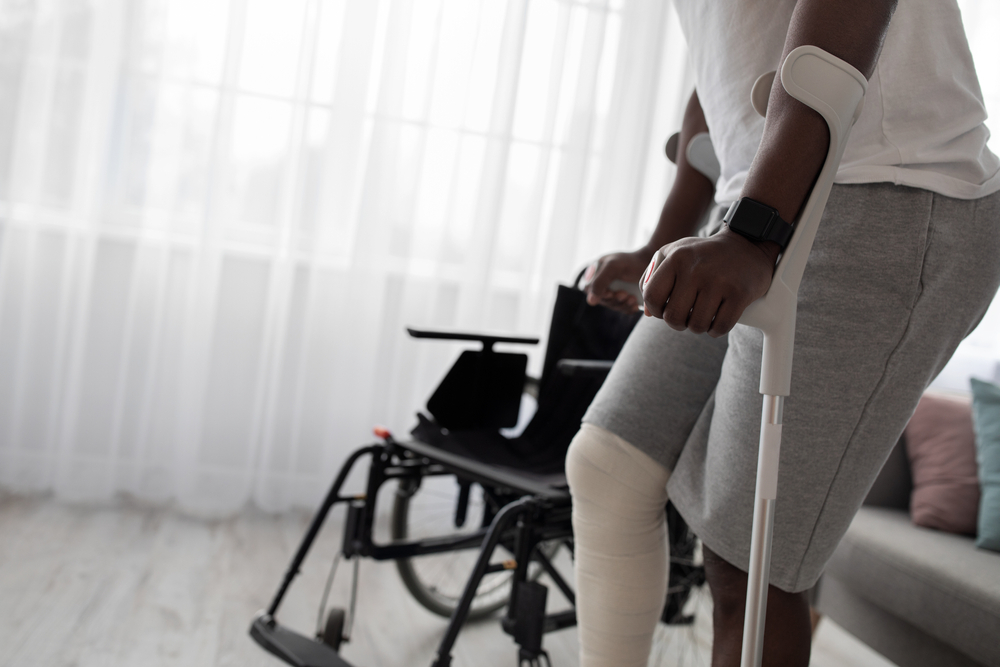
Genicular Artery Embolization (GAE) has emerged as a revolutionary osteoarthritis treatment for chronic knee pain, offering patients a minimally invasive way to achieve significant, long-lasting relief. By targeting and reducing the inflammation that drives pain, GAE opens up a world of new possibilities for movement and activity. But while the procedure itself is a powerful “reset button” for your knee, a common and important question arises: what comes next? Can combining GAE with physical therapy lead to even better, more durable outcomes?
The answer is a resounding yes. If GAE is the key that unlocks the door to a pain-free life, then physical therapy is the guide that teaches you how to walk through that door with strength, stability, and confidence. While not strictly required for recovery from the procedure itself, engaging in a structured physical therapy program after GAE can dramatically enhance and prolong its benefits, transforming excellent pain relief into exceptional functional improvement.
At Fox Vein and Vascular, where Dr. David Fox provides expert GAE knee pain treatment, we view the procedure as the beginning of a patient’s journey back to an active life. We believe that leveraging the pain-free window GAE provides with targeted physical therapy is the ultimate strategy for success. This guide will explain the synergistic relationship between GAE and physical therapy, the specific role therapy plays, and why this combination is the gold standard for long-term knee health. For those interested in learning more about post-GAE care, our comprehensive resource page offers details on recovery best practices and maximizing results.
The GAE and PT Partnership: A Two-Part Solution
To understand why physical therapy is so beneficial, it’s important to differentiate between what GAE accomplishes and what it does not.
- What GAE Does: The GAE procedure is a masterpiece of vascular intervention. It addresses the biological source of your pain by blocking the abnormal arteries that feed the inflamed lining of your knee joint. This “cools down” the joint, significantly reducing or eliminating the inflammatory pain signals that have plagued you for years. GAE provides the pain relief.
- What GAE Does Not Do: GAE does not magically rebuild the muscles that have weakened from years of disuse. It does not correct the poor movement patterns (like limping) you developed to cope with pain, nor does it instantly restore the flexibility and stability lost to chronic stiffness.
This is where physical therapy (PT) steps in. Chronic knee pain from osteoarthritis creates a cascade of secondary problems:
- Muscle Atrophy: The quadriceps, hamstrings, and glute muscles become weak from inactivity, providing less support for the knee.
- Biomechanical Compensation: You unconsciously alter your gait to offload the painful knee, which can lead to strain on your other knee, hips, and lower back.
- Loss of Proprioception: The communication between the nerves in your knee and your brain weakens, making the joint feel unstable or “untrustworthy.”
- Decreased Range of Motion: The joint becomes stiff, limiting your ability to fully bend or straighten your leg.
Physical therapy directly addresses all of these secondary issues. By starting a PT program after your GAE procedure, you are capitalizing on the pain-free state to rebuild the entire support structure around your knee, ensuring the joint is not only pain-free but also strong, stable, and functional.
The Role of a Physical Therapist: Your Knee’s Coach
A physical therapist is a movement expert. They are trained to analyze your specific gait, posture, and muscle imbalances. A good PT program is not a generic list of exercises; it is a personalized plan designed to address your unique deficits. If you want to know more about physical therapy’s role following GAE, see our dedicated information page. To find out if you’re a good candidate for GAE, schedule your assessment with Dr. Fox or explore more about non-surgical knee pain relief options on our website.
Your physical therapist will work with you to:
- Conduct a Thorough Assessment: They will evaluate your strength, range of motion, balance, and how you walk and climb stairs. This assessment forms the baseline for your customized program.
- Develop a Targeted Exercise Plan: Based on the assessment, they will prescribe specific exercises to strengthen weak muscles, stretch tight ones, and improve your overall movement quality.
- Ensure Proper Form: This is one of the most critical roles of a PT. Performing an exercise with incorrect form can be ineffective or even harmful. A therapist provides hands-on guidance and cues to ensure you are doing each movement correctly and safely.
- Progress Your Program: As you get stronger, your therapist will appropriately progress the difficulty of your exercises to ensure you continue to make gains. This prevents plateaus and keeps you challenged.
The Core Components of a Post-GAE Physical Therapy Program
A comprehensive PT program after GAE will focus on several key areas, introduced progressively as you recover.
Phase 1: Early Activation and Range of Motion (Weeks 1-3)
Immediately following your GAE, the primary goal is gentle activation without stress. A therapist will guide you through simple exercises to get the joint moving and prevent stiffness.
- Pain-Free Motion: They will emphasize gentle range-of-motion exercises like heel slides and passive knee bending to encourage the circulation of synovial fluid, which nourishes the joint cartilage.
- Isometric Contractions: Exercises like quad sets (tightening your thigh muscle without moving the joint) will be used to “wake up” the muscles without straining the knee.
Phase 2: Building Strength and Endurance (Weeks 3-8)
Once any minor procedural soreness is gone and your pain level is significantly lower thanks to the GAE, the real strengthening work begins. The focus is on building a robust muscular support system.
- Quadriceps Strengthening: Exercises like wall sits, leg extensions, and mini-squats are crucial for rebuilding the main shock absorbers on the front of your thigh.
- Hamstring and Glute Activation: Strengthening the back of your legs and your buttocks is equally important for a balanced and stable knee. A therapist will incorporate exercises like glute bridges, hamstring curls, and clamshells.
- Low-Impact Cardio: Your therapist will likely recommend using a stationary bike or elliptical trainer to improve muscular endurance and cardiovascular health without stressing the joint.
Phase 3: Enhancing Balance and Proprioception
As your strength improves, your PT will introduce exercises designed to improve your balance and your brain’s connection to your knee.
- Single-Leg Stances: Standing on one leg forces the small stabilizing muscles around your knee and ankle to fire.
- Unstable Surface Training: Performing exercises on a foam pad or balance disc challenges your stability and accelerates the retraining of your neuromuscular system.
Phase 4: Functional and Activity-Specific Training
The final phase of therapy is about translating your newfound strength into real-world activities.
- Gait Retraining: If you developed a limp, your therapist will work with you to restore a normal, symmetrical walking pattern.
- Sport-Specific Movements: If your goal is to return to golf, tennis, or hiking, your therapist will design drills that mimic the movements of your chosen activity, ensuring your knee is prepared for the specific demands you’ll place on it.
By following this structured progression, you systematically rebuild your knee’s function on top of the pain-free foundation that GAE provided.
Why PT is Especially Important for Certain GAE Candidates
While everyone can benefit from PT, it is particularly crucial for certain patient populations.
- Athletes and Highly Active Individuals: If you’re an athlete with chronic knee pain, your performance goals are high. PT is essential for retraining sport-specific movement patterns and ensuring your knee can handle high-level stresses safely.
- Patients with Significant Muscle Weakness: If you had severe pain for many years before your GAE, you likely have significant muscle atrophy. PT is non-negotiable for rebuilding that lost muscle mass.
- Patients Who Were Ineligible for Surgery: For many patients who cannot get knee replacement due to medical reasons, GAE is their best hope. Pairing it with PT maximizes the benefit of this crucial intervention, ensuring the best possible long-term quality of life.
At Fox Vein and Vascular, we help you determine if you are a good candidate for GAE and discuss how PT can be integrated into your personalized recovery plan.
The Synergy: How GAE Makes Physical Therapy Possible
It’s important to recognize that this is a two-way street. Before GAE, many patients find physical therapy to be an exercise in frustration. It’s difficult to strengthen a muscle when every movement causes sharp pain in the joint. Patients often say, “I tried PT, and it didn’t work.” In many cases, it didn’t work because the underlying inflammation was too severe.
GAE removes this barrier. By quieting the inflammation, it creates the ideal, low-pain environment for physical therapy to finally be effective. You can perform the exercises correctly and with enough intensity to actually build muscle, without being limited by joint pain. GAE makes PT possible, and PT makes GAE’s results more durable.
The Long-Term Vision: Maintaining Your Results
The benefits of physical therapy extend far beyond the initial 8-12 week program. Your therapist will provide you with a home exercise program to continue indefinitely. The strength, stability, and proper movement patterns you build in PT are what will protect your knee for years to come.
Consistent exercise helps maintain a healthy weight, which reduces the load on your knee. It keeps the supporting muscles strong, acting as a permanent brace for your joint. And it ensures your remaining cartilage stays as healthy as possible. This is how you take the 1-2 years of pain relief from GAE and extend it for many more years.
The Fox Vein and Vascular Approach
At Fox Vein and Vascular, we understand that a successful outcome is about more than just a technically perfect procedure—it’s about restoring a patient’s life. Dr. David Fox is a board-certified vascular surgeon whose expertise in complex arterial procedures is the foundation of our GAE knee pain treatment program. His precision and skill ensure that the vascular component of your pain is addressed with the highest level of care, and our approach to post-GAE success emphasizes integrating physical therapy after GAE as a key strategy for recovery. For a comprehensive overview of our advanced care, or to find out if you are a good candidate for GAE, visit our website and explore our resources on long-term knee health.
We also believe in empowering our patients with the knowledge and tools to succeed after the procedure. During your consultation, we will discuss the importance of a team approach, where our medical intervention is complemented by your commitment to rehabilitation. We proudly serve patients from Manhattan, the 5 Boroughs, Nassau, Suffolk, South Western Ct., and North East NJ, offering a holistic path to non surgical knee pain treatment.
For patients seeking non-surgical knee pain relief, Genicular Artery Embolization (GAE) is one of the most advanced osteoarthritis treatments available today.
Conclusion: A Winning Combination
So, can physical therapy improve your GAE results? Absolutely. It is the single most effective way to build upon the success of your procedure. GAE takes away the pain; physical therapy teaches you how to move again, correctly and with confidence.
By investing in a course of physical therapy after your Genicular Artery Embolization, you are not just treating your knee; you are investing in a future with more strength, better mobility, and longer-lasting freedom from pain. It’s the essential second step that ensures your first step toward a pain-free life is built on a solid foundation.
Ready to learn more about how GAE and physical therapy can work together for you? Schedule a consultation with Dr. Fox to start your journey.
Fox Vein and Vascular – Manhattan, NY
📞 (212) 362-3470
🌐 foxvein.com
📍 1041 Third Avenue, New York, NY 10065
Leading Manhattan Vascular & Vein Specialist
At Fox Vein Care, we provide state-of-the-art vascular and venous treatments, combining advanced diagnostic technology with minimally invasive procedures that prioritize comfort, safety, and outstanding results.
Contact Us