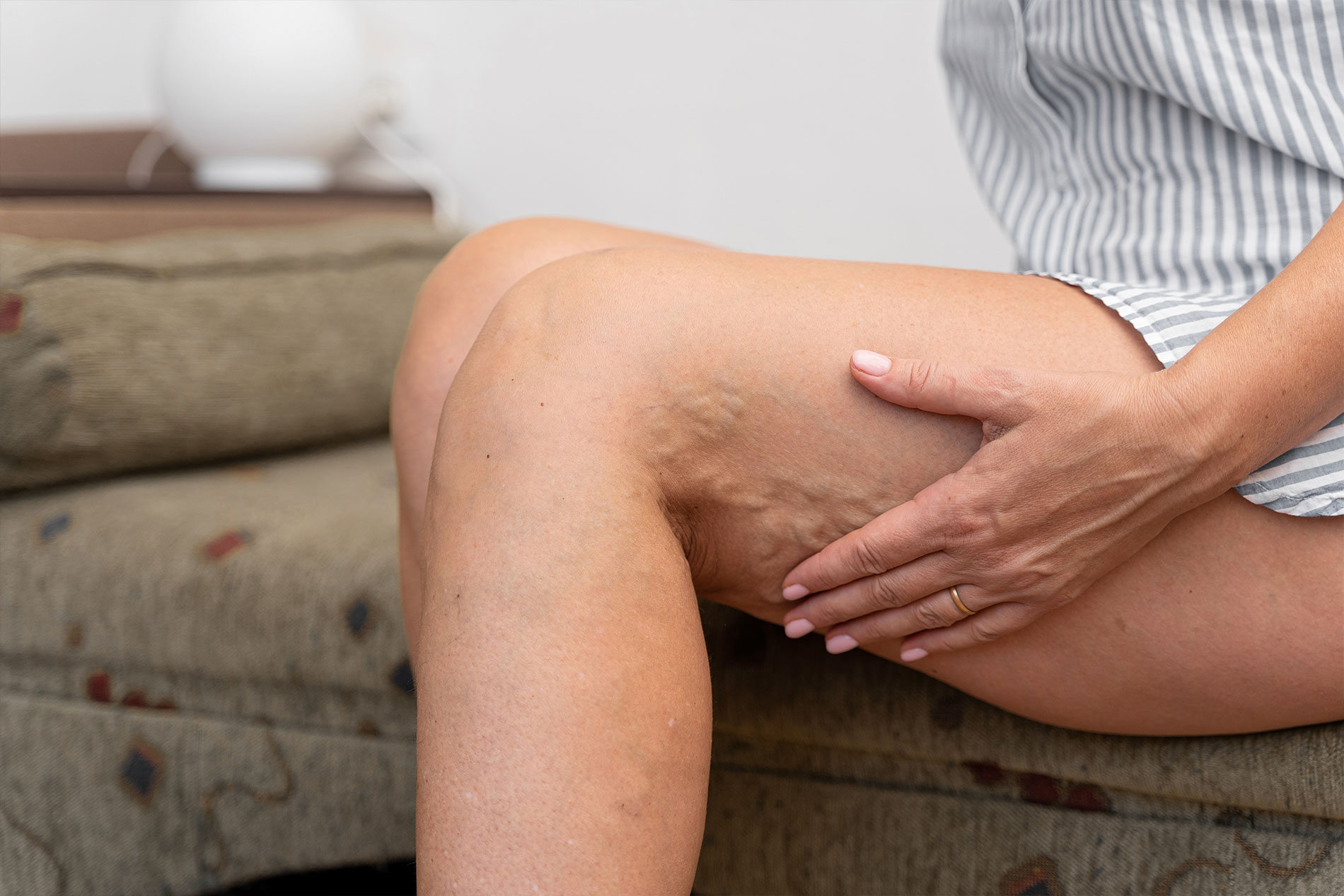

For decades, the thought of treating varicose veins conjured up images of “vein stripping”—a major surgical procedure that required hospitalization, general anesthesia, painful incisions, and a recovery period that could last weeks. It is no wonder that many people, even those suffering from significant vein pain, avoided treatment for as long as possible.
But the landscape of vascular medicine has changed dramatically. Today, the vast majority of vein procedures are performed right in the doctor’s office, with no need for a hospital stay. While this shift offers incredible convenience, it also raises a common question for new patients: Are in-office vein treatments actually safe?
The short answer is yes—in fact, they are often safer than traditional surgery. However, safety depends on the technology used, the environment, and, most importantly, the skill of the Vein specialist in Manhattan performing the procedure.
If you have been searching for a Vein specialist near me or hesitating to book an appointment because you are worried about risks, this comprehensive guide will put your mind at ease. We will explore the safety protocols of modern vein care, compare in-office methods to old-school surgery, and explain why a specialized Manhattan vein clinic is the safest place for your legs.
The Evolution of Vein Care: From Operating Room to Office
To understand the safety of modern treatments, we first need to look at where we came from. Historically, the only way to fix a refluxing vein was to physically pull it out of the leg (ligation and stripping). This was a traumatic event for the body. It carried risks of infection, nerve damage, and complications from general anesthesia.
In the early 2000s, technology shifted. Doctors realized they didn’t need to remove the vein; they just needed to close it. By using heat (laser or radiofrequency) or chemical agents delivered through a tiny catheter, they could seal the vein from the inside. The body would then naturally absorb the closed vein, and blood would reroute to healthy vessels.
This innovation moved the entire field out of the hospital operating room and into the clinic suite. It meant:
- No General Anesthesia: Just local numbing medicine.
- No Large Incisions: Just a needle poke or a nick in the skin.
- No Hospital Germs: Reduced risk of hospital-acquired infections.
Today, a varicose vein doctor in Manhattan can treat even severe cases of Chronic Venous Insufficiency (CVI) in under an hour, with patients walking out the door immediately afterward.
If you want an overview of all the latest techniques and safety standards for vein care in Manhattan, be sure to review our comprehensive guide to in-office vein treatments here.
Safety Factor 1: Local Anesthesia vs. General Anesthesia
One of the biggest safety advantages of in-office vein treatment near me is the avoidance of general anesthesia.
The Risks of General Anesthesia
Going “under” always carries a small degree of risk, including nausea, grogginess, respiratory issues, and deeper cardiovascular stress. For older patients or those with other health conditions, general anesthesia can be a significant hurdle.
The Safety of Tumescent Anesthesia
Modern vein procedures use “tumescent anesthesia.” This is a very dilute solution of lidocaine (numbing medicine) and saline. A Best vein doctor near me injects this fluid around the vein being treated.
- It Numbs: You feel no pain during the laser or radiofrequency ablation.
- It Protects: The fluid creates a “cushion” around the vein, separating it from surrounding nerves and skin. This protects nearby tissues from the heat of the laser.
- It Compresses: The fluid squeezes the vein empty of blood, making the laser more effective.
Because you remain awake and alert, you can communicate with your doctor throughout the process. If you feel any discomfort, you can say so immediately, adding an extra layer of safety.
Safety Factor 2: Ultrasound Guidance
We cannot talk about safety without talking about visibility. In the past, surgeons often operated based on what they could see on the surface or anatomical assumptions. Today, a Manhattan vein clinic uses Duplex Ultrasound at every step.
This is known as “ultrasound-guided” treatment.
- Access: The doctor watches the needle enter the vein on a screen, ensuring they are in the exact right spot and not hitting an artery or nerve.
- Placement: They track the catheter as it moves up the leg, ensuring it stops well before the deep vein junction to prevent deep clots.
- Delivery: Whether injecting foam for spider veins or glue for bulging veins, they watch the material disperse in real-time.
This eliminates guesswork. When you search for a chronic vein condition specialist near me, you are looking for an expert in ultrasound-guided procedures, which significantly reduces the risk of error.
Safety Factor 3: Minimally Invasive Techniques
The term “minimally invasive” is key to safety. It refers to the amount of trauma your body experiences.
Less Trauma = Fewer Complications
Old surgeries involved cutting through muscle and fascia. In-office treatments like Endovenous Laser Therapy (EVLT) or VenaSeal require only a tiny puncture site, often smaller than a freckle.
- Infection Risk: Because the opening is so small (often not even needing a stitch), the risk of wound infection is close to zero.
- Bleeding Risk: Minimal tissue disruption means very little bleeding, even for patients on mild blood thinners (though you should always discuss medications with your doctor).
- Recovery: The body doesn’t have to heal a large wound, so systemic stress is low.
When patients ask, “Is it safe?” regarding vein care treatment Manhattan, the answer is rooted in how gentle these procedures are compared to traditional surgery.
Common In-Office Procedures and Their Safety Profiles
Let’s look at the specific safety profiles of the most common treatments offered at Fox Vein Care.
1. Endovenous Laser Therapy (EVLT)
- What it is: A laser fiber heats the vein wall to close it.
- Safety Profile: Extremely high. The main risk is a mild burn or nerve irritation, but the tumescent anesthesia technique described above was invented specifically to prevent this. Success rates are over 95%.
- Side Effects: Bruising and a feeling of tightness are common but temporary.
2. Sclerotherapy
- What it is: Injecting a chemical solution to close spider veins and smaller varicose veins.
- Safety Profile: Used safely for decades. The solution (sclerosant) is FDA-approved.
- Side Effects: Temporary itching, redness, or brown staining of the skin (hyperpigmentation) which usually fades.
3. VenaSeal
- What it is: Medical superglue seals the vein.
- Safety Profile: Because it doesn’t use heat, there is zero risk of nerve heat injury. It also requires fewer needle sticks for anesthesia.
- Side Effects: Some patients may have a mild allergic reaction to the adhesive, causing redness, but this is treatable and rare.
4. Ambulatory Phlebectomy
- What it is: Removing large bulging veins through micro-incisions.
- Safety Profile: Very safe when performed by a surgeon. Because the incisions are tiny, they heal without scarring.
- Side Effects: Minor bruising and swelling are expected but resolve quickly.
Learn more about our comprehensive vein treatments here.
The Importance of the Sterile Field
Just because you aren’t in a hospital doesn’t mean sterility goes out the window. A reputable Manhattan vein clinic adheres to strict sterile protocols comparable to an operating room.
- Sterile Draping: Your leg is cleaned with surgical antiseptic and covered with sterile drapes.
- Sterile Equipment: All catheters, needles, and laser fibers are single-use. They are opened fresh for you and discarded immediately after.
- Protective Gear: The doctor and staff wear surgical masks, sterile gloves, and gowns.
When visiting a Vein specialist near me, observe the environment. Is it clean? Does the staff follow hygiene protocols? At Fox Vein Care, we maintain the highest standards of cleanliness to ensure patient safety.
Managing the Risk of DVT (Deep Vein Thrombosis)
The most serious potential complication of vein treatment is a blood clot in the deep veins (DVT). While rare, it is the risk that doctors monitor most closely.
How We Minimize DVT Risk
- Movement: In a hospital surgery, you are unconscious and immobile, which increases clot risk. In an office procedure, you walk immediately after. Walking pumps blood through the deep veins, naturally preventing clots.
- Technique: By keeping the laser or catheter a safe distance away from the deep vein junction (where the superficial vein meets the deep vein), the risk is minimized.
- Screening: We assess your personal risk factors (history of clots, clotting disorders) before we ever touch you.
The rate of DVT in modern endovenous ablation is less than 1%. It is statistically very safe, especially compared to the risks of leaving severe venous insufficiency untreated.
Why “Wait and See” Is Often Less Safe
Many patients ask, “Isn’t it safer to just do nothing?” Not necessarily. Varicose veins and Chronic Venous Insufficiency are progressive diseases. They do not get better on their own.
Ignoring vein symptoms in legs can lead to:
- Spontaneous Bleeding: High pressure in surface veins can cause them to burst and bleed profusely.
- Venous Ulcers: Open sores near the ankle that are prone to infection and very difficult to heal.
- Higher DVT Risk: Untreated superficial vein disease actually increases your risk of developing a deep vein clot or superficial thrombophlebitis.
In many cases, undergoing a minor, safe in-office procedure is far safer for your long-term health than living with the complications of untreated vein disease.
Read about the conditions we treat.
The Role of Accreditation and Certification
Not every office with a laser is a safe place for vein care. The popularity of vein treatments has led to some “med-spas” offering procedures without proper surgical backup.
To ensure safety, you must choose a qualified Vein specialist in Manhattan. Look for:
- Board Certification: Ideally in Vascular Surgery or a related field.
- IAC Accreditation: Facilities accredited by the Intersocietal Accreditation Commission (IAC) for Vein Center or Vascular Testing undergo rigorous safety inspections.
- Experience: How many procedures has the doctor performed? Dr. David Fox, for example, has over 20 years of experience. Experience allows a doctor to handle anatomical variations safely.
What to Expect regarding “Downtime” and Recovery
Safety isn’t just about the procedure; it’s about the recovery. Because in-office treatments are so gentle, the “downtime” is minimal, which reduces the disruption to your life and health.
- Activity: You are encouraged to walk immediately. Most patients return to work the same day or the next.
- Pain Management: Post-procedure discomfort is usually managed with over-the-counter ibuprofen or Tylenol. Narcotic pain relievers are almost never needed.
- Compression: You may need to wear a compression stocking for a week or so to help the vein close and reduce bruising.
Compare this to the old stripping surgery, which required weeks of bed rest and strong painkillers. The modern approach is undeniably safer for your lifestyle and general well-being.
Are There Patients Who Should NOT Have In-Office Treatment?
While rare, there are some patients for whom in-office treatment might need to be modified or postponed. A chronic vein condition specialist near me will screen for:
- Pregnancy: We generally postpone active interventions until after delivery, managing symptoms with stockings instead.
- Severe Arterial Disease: If you have poor arterial blood flow (PAD) to the legs, compressing the leg after treatment could be dangerous. We always check pulses and may do an arterial ultrasound first.
- Inability to Walk: Since walking is crucial for DVT prevention, patients who are wheelchair-bound require special protocols.
This screening process is a vital part of the safety net. A good doctor knows when not to operate.
Addressing Cosmetic Safety: Spider Veins
For patients seeking treatment for spider veins (sclerotherapy), safety concerns are often cosmetic. “Will it leave a scar? Will it stain my skin?”
Sclerotherapy is very safe, but it is technically demanding. If the solution is injected into the tissue surrounding the vein rather than the vein itself, it can cause a small ulcer. If the solution is too strong, it can cause staining.
This is why you should always trust a Manhattan vein clinic rather than a general beauty spa. Vascular specialists know exactly which concentration of medication to use for each size of vein to maximize safety and aesthetic results.
The COVID-19 Era and Office Safety
In recent years, office safety has taken on a new meaning regarding viral transmission. Vein clinics are medical facilities, not retail spaces. They adhere to high standards of air filtration, sanitization, and patient spacing.
Because you are in a private room and not a crowded hospital waiting area, exposure risk to general hospital pathogens (flu, COVID, MRSA) is significantly lower.
Listening to Your Body: Post-Procedure Safety Signs
Part of safety is knowing what is normal and what isn’t after you go home. A responsible vein care treatment Manhattan provider will give you clear discharge instructions.
Normal Signs:
- Mild bruising (like a peach).
- A feeling of a “pulled muscle.”
- Tightness along the treated vein.
Signs to Call the Doctor:
- Sudden shortness of breath (a sign of PE, though extremely rare).
- One leg swelling up to twice the size of the other.
- Extreme pain that medication doesn’t touch.
Having a direct line to your doctor, rather than navigating a hospital switchboard, adds a layer of responsiveness and safety to your care.
Why Fox Vein Care Prioritizes Safety
At Fox Vein Care, patient safety is the cornerstone of our practice. Dr. Fox and his team utilize state-of-the-art diagnostic equipment to ensure that every vein treatment near me is planned with precision.
We believe that an informed patient is a safer patient. We take the time to explain the risks and benefits of every option, ensuring you are comfortable before we proceed. Whether treating leg swelling and veins or aesthetic concerns, our protocols meet the highest medical standards.
Meet Dr. David Fox and the team.
Conclusion: A Safe Path to Better Health
So, are in-office vein treatments safe? The evidence is overwhelming: Yes. When performed by a qualified expert using modern technology, complications are rare, recovery is rapid, and the results are life-changing.
You do not have to live with the pain of bulging veins or the insecurity of spider veins out of fear of surgery. The era of risky, invasive vein stripping is over. We are in the era of precise, gentle, and safe in-office care.
If you are ready to explore your options, seek out a Best vein doctor near me who prioritizes safety and education. Your legs carry you through life—they deserve the safest, most effective care available.
Don’t let fear hold you back from relief. Schedule your consultation with Fox Vein Care today.
Key Takeaways
- Minimally Invasive: Modern treatments use needle punctures, not scalpel incisions, drastically reducing infection and bleeding risks.
- No General Anesthesia: Using local tumescent anesthesia avoids the risks associated with being put to sleep.
- Ultrasound Guidance: Real-time imaging ensures the doctor sees exactly where they are working, preventing damage to nerves or arteries.
- Immediate Mobility: Walking right after the procedure is the best defense against blood clots.
- Expertise Matters: The safest results come from board-certified specialists who perform these procedures daily.
Frequently Asked Questions
Is vein treatment safe for older adults?
Yes. Because general anesthesia is not used, in-office vein treatment is often safe for seniors who might not be candidates for major surgery.
Can I drive myself home?
Yes. Since you are not sedated, you can drive yourself to and from the appointment.
Does it hurt?
Most patients report feeling only the initial prick of the numbing needle. The actual laser or closure part of the procedure is generally painless.
Are the lasers dangerous?
The lasers used in EVLT are contained inside the vein. You and the staff will wear protective eyewear as a precaution, but the laser energy is targeted precisely at the vein wall.
What happens if I have a reaction to the glue (VenaSeal)?
Allergic reactions are rare. If you have known severe allergies, discuss them with your Vein specialist Manhattan during the consultation. We can choose an alternative method like heat ablation if necessary.
Leading Manhattan Vascular & Vein Specialist
At Fox Vein Care, we provide state-of-the-art vascular and venous treatments, combining advanced diagnostic technology with minimally invasive procedures that prioritize comfort, safety, and outstanding results.
Contact Us