


Chronic Vein Conditions in Active Adults: Staying Mobile and Healthy

January 9, 2026
Best vein doctor near me

Being active is one of the best things you can do for your body. Whether you are a marathon runner, a weekend warrior on the tennis court, or simply someone who enjoys long walks in Central Park, movement keeps your heart strong and your mind sharp. However, even the most active adults are not immune to vascular issues. In fact, the physical demands placed on the legs during high-impact activities can sometimes exacerbate underlying issues, leading to chronic vein conditions that go unnoticed until they cause significant discomfort.

Many active individuals dismiss leg heaviness or swelling as simple muscle fatigue. But when that heaviness persists or when you notice bulging veins, it might be more than just a tough workout recovery. It could be a sign of Chronic Venous Insufficiency (CVI). Understanding how vein health impacts your active lifestyle is crucial for maintaining your mobility and performance for years to come.

In this comprehensive guide, we will explore the relationship between athleticism and vein disease, identify the warning signs you shouldn’t ignore, and discuss how a vein specialist near me can help you get back to peak performance.

The Active Adult’s Dilemma: Muscle Soreness or Vein Disease?

For active adults, physical discomfort is often part of the territory. “No pain, no gain” is a mantra many live by. However, distinguishing between healthy muscle fatigue and the symptoms of a vein condition is vital.

When you exercise, your muscles require more oxygen, which means your heart pumps more blood to them. Your veins then have the critical job of returning that deoxygenated blood back to the heart against gravity. In active adults with healthy veins, the calf muscles act as a pump to help push this blood upward. However, if the valves in your veins are damaged or weakened, blood can pool in the legs—a condition known as venous reflux.

If you want to learn how veins function and how issues develop, explore our vein treatment Manhattan overview.

Recognizing Vein Symptoms in Legs vs. Muscle Fatigue

How can you tell the difference? Muscle soreness usually typically:

  • Starts 12–24 hours after exercise (Delayed Onset Muscle Soreness, or DOMS).
  • Improves with stretching, rest, and light movement.
  • Is localized to the muscle belly.

In contrast, vein symptoms in legs often present differently:

  • Timing: Pain or heaviness often worsens as the day goes on, rather than improving. It may be most intense after standing for long periods, not necessarily immediately after a workout.
  • Sensation: Instead of a sharp muscle ache, vein pain is often described as a dull, throbbing ache, a burning sensation, or a profound heaviness—like your legs are made of lead.
  • Visual Signs: You might see visible changes like spider veins or larger varicose veins.
  • Swelling: Leg swelling and veins often go hand-in-hand. If your socks leave deep indentations or your shoes feel tight by the evening, this is often fluid retention caused by venous insufficiency, not muscle inflammation.

If you find yourself constantly searching for a chronic vein condition specialist near me because your “muscle recovery” never seems to end, it is time to look at your vascular health.

Common Chronic Vein Conditions Affecting Active People

Contrary to popular belief, vein disease is not just a condition of the elderly or sedentary. Genetics play a massive role, and the increased pressure on the legs from certain high-impact sports can sometimes accelerate valve failure in susceptible individuals. Our conditions we treat resource goes into more depth.

Varicose Veins

These are the most recognizable sign of vein disease. Varicose veins are enlarged, twisted veins that often appear blue or dark purple. They happen when faulty valves allow blood to flow in the wrong direction or pool. For a runner or cyclist, bulging veins aren’t just a cosmetic concern; they can be painful. They can throb or itch, especially after a long run or intense session at the gym.

Spider Veins

While often considered cosmetic, spider veins—small, web-like clusters of red, blue, or purple veins—can sometimes indicate underlying venous reflux. Active adults often notice these first, as lower body fat percentages on athletic legs make surface veins more visible. While they are generally less painful than varicose veins, they are a sign that you should consult a Manhattan vein clinic to ensure the deeper veins are functioning correctly.

Chronic Venous Insufficiency (CVI)

This is a long-term condition where the veins have trouble sending blood from the legs back to the heart. It can lead to persistent swelling (edema), skin changes (like darkening or a leathery texture), and in severe cases, venous leg ulcers. For active adults, CVI can severely limit endurance, making legs feel tired much faster than your cardiovascular fitness would suggest.

Deep Vein Thrombosis (DVT)

Athletes who travel frequently for competitions or who suffer impact injuries are at risk for DVT, a blood clot in a deep vein. If a clot breaks loose, it can travel to the lungs, causing a pulmonary embolism. Sudden, intense vein pain, warmth, and redness in one leg require immediate medical attention.

Find out more about these issues and their diagnosis on our chronic vein conditions page.

Why “Pushing Through” Is the Wrong Approach

Athletes are trained to push through barriers. But pushing through vein pain can lead to complications. Ignoring chronic vein conditions does not make them go away; vein disease is progressive.

  1. Decreased Performance: Pooled blood means less oxygenated blood is circulating efficiently. This can lead to faster muscle fatigue.
  2. Increased Injury Risk: Heavy, swollen legs alter your gait and biomechanics. If your legs feel sluggish, you may compensate with poor form, leading to knee, hip, or ankle injuries.
  3. Skin Complications: Left untreated, the high pressure in the leg veins can cause Stasis Dermatitis, an inflammation of the skin that causes itching and discoloration, eventually leading to open sores that are difficult to heal.

If you are experiencing these issues, finding a vein specialist Manhattan athletes trust is your next best move.

Diagnosing Vein Disease: What to Expect

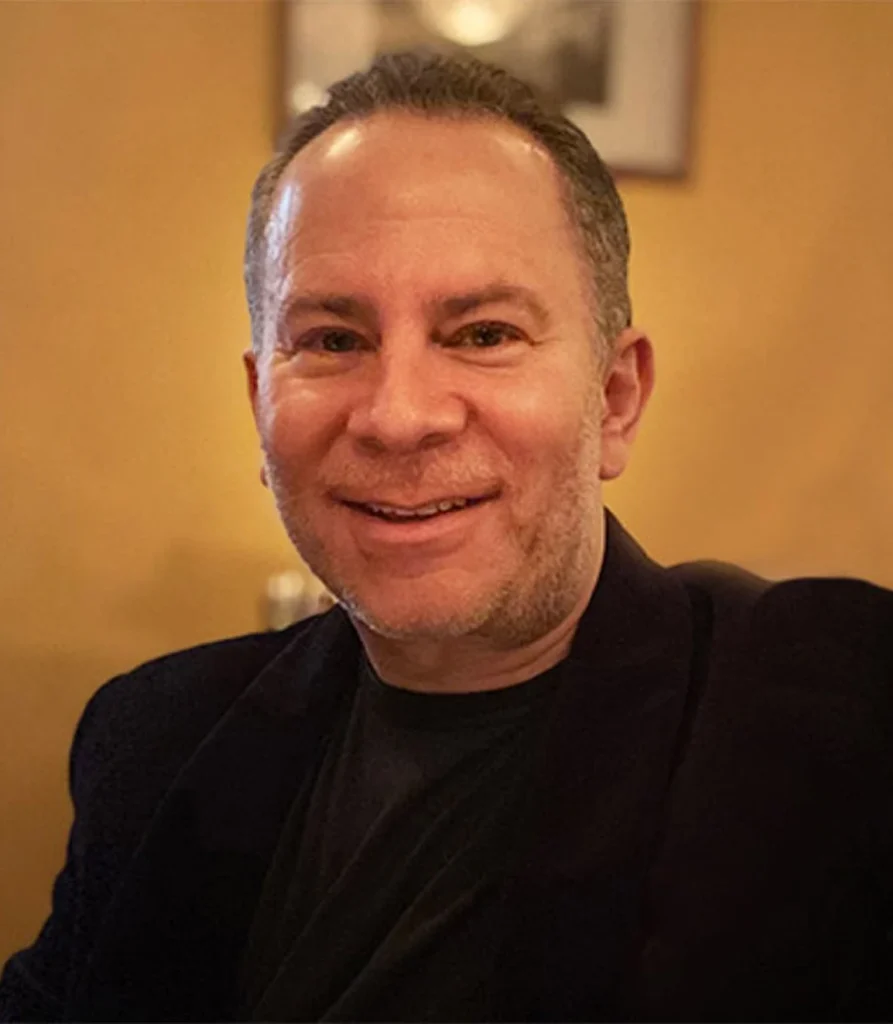
When you visit a specialist, such as Dr. David Fox at Fox Vein Care, the diagnostic process is thorough yet non-invasive. You don’t have to worry about downtime immediately affecting your training schedule.

The Initial Consultation

Your visit will start with a discussion of your medical history and your activity levels. A varicose vein doctor Manhattan residents rely on will ask specifically about the timing of your symptoms relative to your workouts. Do your legs hurt while running or after? Does elevating them provide relief?

Ultrasound Mapping

The gold standard for diagnosis is a duplex ultrasound. This painless imaging test allows the doctor to see the structure of your veins and the flow of blood. It can pinpoint exactly where the valves have failed and map out the extent of the reflux. This ensures that any treatment plan addresses the root cause, not just the visible bulging veins.

For more detailed information on what conditions we treat and diagnose, you can visit our page on chronic vein conditions. For a complete list of vein and vascular treatments we offer, see our services page.

Treatment Options for the Active Lifestyle

The good news for active adults is that modern vein treatment is minimally invasive. The days of “vein stripping” requiring hospital stays and weeks of bed rest are largely gone. Today, you can visit a vein specialist near me, have a procedure, and often walk out the same day.

Endovenous Laser Ablation (EVLA)

This is a highly effective treatment for large varicose veins. A thin fiber is inserted into the damaged vein under ultrasound guidance. Laser energy is used to seal the vein shut. The body then naturally reroutes blood to healthier veins.

  • Downtime: Minimal. Most active patients are back to walking immediately and can resume light exercise within days.
  • Benefit: Removes the source of venous reflux, alleviating the heaviness and fatigue.

Learn how Endovenous Laser Therapy (EVLT) works as a minimally invasive solution.

Sclerotherapy

For spider veins and smaller varicose veins, sclerotherapy is the standard. A solution is injected directly into the vein, causing it to collapse and fade over time.

  • Downtime: Very little. You may need to wear compression stockings for a short period, but it rarely interferes significantly with daily activities.

Ambulatory Phlebectomy

This procedure removes superficial varicose veins through tiny skin punctures. It is often done in conjunction with EVLA.

  • Benefit: Immediate cosmetic improvement and relief from the discomfort of bulging veins.

VenaSeal™

This is a “superglue” for veins. A medical adhesive is used to close the diseased vein.

  • Benefit: Unlike thermal ablation, it often requires no tumescent anesthesia (multiple needle sticks) and usually does not require post-procedure compression stockings, making it a favorite for those wanting the quickest return to full activity.

When searching for vein care treatment Manhattan, look for clinics that offer a full spectrum of these modern therapies.

Prevention and Management for Active Adults

While you cannot change your genetics, you can manage your vein health to support your active lifestyle.

1. Compression Gear is Your Friend

Many runners already use compression socks for recovery. If you have early signs of vein disease, wearing medical-grade graduated compression stockings during and after activity can help support the vein walls and encourage blood flow back to the heart. Learn about compression and other minimally invasive strategies on our Manhattan vein treatment page.

2. Don’t Stand Still

The calf muscle pump only works when you move. Standing still for long periods is harder on your veins than walking. If your job involves standing (like a teacher or surgeon) or sitting at a desk, make a point to flex your ankles or take short walking breaks.

3. Elevate Your Legs

After a long run or a heavy leg day at the gym, take 15 minutes to elevate your legs above the level of your heart. This uses gravity to help drain pooled blood and reduce leg swelling and veins appearing prominent.

4. Stay Hydrated

Dehydration can thicken the blood, increasing the risk of clots and making circulation more difficult.

5. Watch Your Weight

Maintaining a healthy weight reduces the pressure on the veins in your legs. For active adults, this is often already a goal, but it’s a crucial component of vascular health.

Finding the Best Vein Doctor Near Me

Not all doctors who treat veins are specialists. When it comes to your mobility and your passion for activity, you want an expert.

Credentials Matter

Look for a board-certified vascular surgeon or a diplomat of the American Board of Venous and Lymphatic Medicine. Dr. David Fox, for example, is a board-certified vascular surgeon with over 20 years of experience. This level of expertise is critical for distinguishing between simple cosmetic issues and complex underlying disease.

Look for Comprehensive Care

The best vein doctor near me won’t just offer one type of treatment. They will offer a customized plan that might combine laser therapy, sclerotherapy, and lifestyle management. They should also be able to check for other vascular issues. For instance, if you have knee pain, a comprehensive clinic like Fox Vein Care can determine if it is orthopedic or if you might benefit from treatments for adjacent conditions. Sometimes, what feels like knee pain is actually related to vascular congestion, or requires a knee pain specialist near me. Interestingly, Fox Vein Care also offers Genicular Artery Embolization for chronic knee pain, highlighting the intersection of vascular and orthopedic health.

Location and Convenience

Consistency in treatment and follow-up is key. Choosing a convenient Manhattan vein clinic ensures you can easily attend your appointments without disrupting your work or training schedule too drastically.

When to See a Doctor: A Checklist

If you are unsure if you need to see a specialist, review this checklist. If you check more than two boxes, it is time to schedule a consultation.

  • Do you experience leg heaviness or fatigue that worsens as the day goes on?
  • Do you have visible bulging veins or rope-like veins on your legs?
  • Do you notice spider veins spreading or increasing in number?
  • Do you have persistent leg swelling and veins that look distended?
  • Do you experience restless legs at night?
  • Does the skin around your ankles itch or look discolored?
  • Do you have a family history of vein disease?

Visit our contact page or call for a personalized evaluation.

Conclusion: Prioritize Your Vascular Fitness

As an active adult, you invest time and energy into your health. You track your macros, you monitor your heart rate, and you follow a training plan. Your veins are the highways that fuel this engine. Don’t neglect them.

Chronic vein conditions do not have to spell the end of your active lifestyle. With early detection and modern, minimally invasive treatments, you can eliminate pain, reduce swelling, and get back to doing what you love with renewed energy.

If you are searching for a vein specialist Manhattan or a chronic vein condition specialist near me, look no further than Fox Vein Care. We understand the needs of active patients and are dedicated to keeping New York moving.

Don’t let heavy legs hold you back. Contact us today to schedule your evaluation and take the first step toward healthier, happier legs.

Frequently Asked Questions About Vein Health for Athletes

Can running cause varicose veins?

Running itself typically does not cause varicose veins. In fact, the muscle contraction during running helps pump blood. However, the high impact can exacerbate symptoms if you already have weak valves. If you run on hard surfaces often and notice vein symptoms in legs, consult a specialist.

Is it safe to exercise with varicose veins?

Generally, yes. Low-impact exercises like swimming, cycling, and walking are excellent for vein health. Heavy weightlifting, however, can increase abdominal pressure which may worsen vein issues. Consult a Varicose vein doctor Manhattan for advice tailored to your specific workout routine.

Will insurance cover my vein treatment?

If you have symptoms like pain, swelling, or skin changes, most insurance plans consider vein treatment a medical necessity, not just cosmetic. Our office can help determine your coverage. Read more on our insurance and vein treatment guide.

Why do I have spider veins if I am fit?

Body fat percentage has little to do with the development of vein disease, though low body fat makes veins more visible. Spider veins are largely genetic or hormonal and can affect even the fittest athletes.

I have knee pain; could it be my veins?

It is possible. While many seek an orthopedic knee doctor near me for joint pain, sometimes vascular congestion contributes to leg pain. Furthermore, if you have osteoarthritis, vascular treatments like Genicular Artery Embolization offered at our clinic can help. If you are looking for a knee pain treatment Manhattan option that is non-surgical, vascular assessment is a great avenue to explore.

How soon after treatment can I return to sports?

With treatments like sclerotherapy or laser ablation, many patients resume walking immediately. Strenuous activities like heavy lifting or long-distance running may need a pause of 5 to 7 days, depending on the severity of the treatment and the doctor’s advice.

What makes a doctor a “vein specialist”?

A true specialist typically has specific board certifications in vascular surgery or venous medicine. When searching for a Vein specialist near me, ensure they focus specifically on vascular conditions rather than general dermatology or aesthetics alone.

The Link Between Knee Pain and Vascular Health

It is worth noting that active adults often suffer from knee pain alongside vein issues. Sometimes, patients spend years visiting a knee specialist near me or a chronic knee pain doctor NYC for osteoarthritis without realizing that vascular treatments can offer relief.

At Fox Vein Care, we specialize in both. We understand that the circulatory system and the musculoskeletal system are interconnected. Inflammation in the knee due to osteoarthritis is fueled by abnormal blood flow. By addressing this with advanced vascular techniques, we can often reduce knee pain treatment Manhattan patients experience without resorting to total knee replacement.

This holistic approach to leg health—caring for both the veins that return blood and the arteries that feed the joints—sets a top-tier Manhattan vein clinic apart. Whether you need a vein care treatment Manhattan expert or are seeking relief from chronic knee pain, ensuring your vascular system is functioning correctly is the foundation of staying active.

Taking the Next Step

Your legs carry you through life’s marathons, literally and figuratively. They deserve expert care. If you are tired of searching for the best vein doctor near me and want proven results, Dr. David Fox and his team are here to help.

From diagnosing chronic vein conditions to treating spider veins and varicose veins, we provide the comprehensive care active adults need. Don’t settle for “heavy” legs. Reclaim your stride.

Visit our Chronic Vein Conditions page to learn more about how we can help you stay active, healthy, and pain-free.


You and Your Veins

Treatment for painful or embarrassing spider veins and varicose veins is now available without the need for invasive vein surgery. Fox Vein Care, a leading vein treatment center in Manhattan offers a range of minimally invasive, state-of-the-art alternatives to vein surgery, including Transdermal Laser Treatment and sclerotherapy, in the convenience of our Manhattan office.

Learn More
Blog post Image
Blog post Image
Book Online
Close

Book Online