


It starts as a dull ache. You’ve had a long day on your feet, perhaps walking through the city or standing at work, and you finally lie down to rest. But instead of relief, your legs begin to throb. Maybe you feel a heaviness, a burning sensation, or sudden, sharp cramps that jolt you awake just as you’re drifting off. If this sounds familiar, you aren’t just “tired.” You might be experiencing a common but often overlooked symptom of venous insufficiency.
Many people associate varicose veins solely with the cosmetic appearance of bulging, twisted cords beneath the skin. However, the impact of vein disease goes far deeper than the surface. Night leg pain, restlessness, and cramping are frequent complaints among patients suffering from underlying vein issues. Understanding why this happens—and knowing that relief is available—is the first step toward getting a good night’s sleep again.
At Fox Vein and Vascular, we specialize in diagnosing and treating the root causes of leg pain. As a leading Manhattan vein clinic, we see patients every day who are surprised to learn that their nighttime discomfort is directly linked to their veins. In this guide, we will explore the connection between varicose veins and night pain, why symptoms worsen after dark, and what you can do to find relief.
The Connection Between Varicose Veins and Night Pain
To understand why your legs hurt at night, we first need to look at how your veins function. Your arteries carry oxygen-rich blood from your heart to the rest of your body, while your veins are responsible for returning that blood back to the heart. This is a difficult task for the veins in your legs, which must work against gravity to push blood upward.
Inside healthy veins, tiny one-way valves open to let blood flow up and close to prevent it from flowing back down. When these valves become damaged or weak—a condition known as chronic venous insufficiency—blood pools in the legs. This pooling increases pressure within the veins, causing them to stretch, twist, and bulge, leading to varicose veins and spider veins.
Why Do Symptoms Worsen at Night?
You might wonder why your legs feel manageable during the day but become unbearable the moment you try to sleep. There are several reasons for this nocturnal increase in symptoms:
- Daily Accumulation: Throughout the day, gravity takes its toll. If you have venous insufficiency, blood gradually pools in your lower extremities from morning until night. By the time you lie down, the pressure and fluid buildup (edema) are at their peak.
- Lack of Muscle Pump: When you walk, your calf muscles act as a pump to help squeeze veins and push blood upward. When you are lying in bed, this muscle pump is inactive, leading to stagnation that can trigger cramping and discomfort.
- Fewer Distractions: During the day, you are busy. Your brain is processing work, conversations, and environmental stimuli. At night, when the world is quiet, your brain becomes hyper-aware of bodily sensations, making vein pain feel more intense.
If you are searching for a chronic vein condition specialist near me, it is likely because these symptoms have started to interfere with your quality of life. Ignoring them won’t make the problem go away; in fact, venous disease is progressive and typically worsens without intervention.
Identifying Vein Symptoms in Legs
Vein symptoms in legs can vary from person to person. Some patients have large, ropy veins without much pain, while others have no visible bulging veins but experience severe discomfort. Common nighttime symptoms associated with venous insufficiency include:
- Leg Cramps (Charley Horses): Sudden, involuntary muscle contractions, usually in the calf, that can be incredibly painful.
- Restless Legs Syndrome (RLS): An uncontrollable urge to move the legs, often accompanied by creeping, crawling, or pulling sensations. Studies have shown a strong correlation between RLS and venous insufficiency.
- Heaviness and Fatigue: A feeling that your legs are weighed down, often described as “lead legs.”
- Throbbing or Burning: A pulsating pain or heat sensation in the lower legs.
- Itching: Pruritus (itching) around the ankles or over vein clusters is a sign of skin changes due to vein disease.
- Swelling: Leg swelling and veins often go hand in hand. You may notice your ankles are puffy by the end of the day.
If you are experiencing these issues, consulting a vein specialist near me is crucial. Differentiating between vein pain and other causes, such as muscular strain or nerve issues, requires a professional evaluation.
Why You Shouldn’t Ignore Night Leg Pain
It is easy to dismiss leg cramps as dehydration or simple fatigue. However, persistent night pain is a warning sign from your body. Left untreated, the high pressure in your leg veins can lead to more serious complications beyond just poor sleep.
Chronic Venous Stasis Dermatitis
The increased pressure in the veins can cause fluid and blood cells to leak into the surrounding tissue. This can lead to inflammation of the skin, causing it to become red, scaly, and itchy. Over time, the skin may thicken and change color, turning a reddish-brown.
Venous Ulcers
In severe cases, the poor circulation and skin breakdown can result in open sores known as venous leg ulcers. These are notoriously difficult to heal and require specialized wound care and vein treatment to resolve.
Deep Vein Thrombosis (DVT)
While superficial varicose veins are generally not life-threatening, untreated venous insufficiency can increase the risk of developing clots in deeper veins. A DVT is a serious medical condition that requires immediate attention.
Seeing a varicose vein doctor Manhattan residents trust can help you address these risks early. At Fox Vein and Vascular, Dr. David Fox uses advanced diagnostic tools to assess the health of your veins and determine if they are the source of your night pain.
Diagnosing the Problem: What to Expect at a Manhattan Vein Clinic
When you visit a specialist for vein care treatment Manhattan, the process begins with a comprehensive consultation. You aren’t just a set of symptoms; you are a patient who needs relief.
The Physical Exam
Your doctor will examine your legs while you stand to check for swelling, skin changes, and visible varicosities. They will ask detailed questions about your medical history, your daily activity levels, and the specific nature of your pain.
Ultrasound Mapping
The gold standard for diagnosing vein disease is a duplex ultrasound. This non-invasive test allows the vein specialist Manhattan to see beneath the surface of the skin. It visualizes the structure of your veins and measures the speed and direction of blood flow. This critical step confirms if valves are failing (reflux) and identifies exactly which veins are causing the problem.
Finding the best vein doctor near me means finding a clinic that prioritizes accurate diagnosis. Proper mapping ensures that treatment is targeted effectively, reducing the risk of recurrence and ensuring better long-term results.
Treatment Options for Relief
The good news is that you do not have to live with night leg pain. Modern vein treatments are minimally invasive, performed in-office, and require little to no downtime. Gone are the days of painful vein stripping surgeries. Today, we can treat the source of the problem with precision and comfort.
Endovenous Laser Ablation (EVLA)
This is a highly effective treatment for the underlying saphenous veins that cause varicose veins. Under local anesthesia, a thin laser fiber is inserted into the damaged vein. The laser energy heats and seals the vein shut. Once closed, the body naturally reroutes blood to healthier veins, and the treated vein is eventually absorbed by the body.
- Learn more about our Vein Treatments.
Sclerotherapy
For smaller varicose veins and spider veins, sclerotherapy is often the treatment of choice. A specialized solution is injected directly into the vein, causing it to collapse and fade. This is often used in conjunction with laser treatments for comprehensive results.
Ambulatory Phlebectomy
For bulging veins that are too large for sclerotherapy but too tortuous for laser ablation, a phlebectomy may be performed. This involves removing the vein through tiny micro-incisions that typically do not require stitches.
Conservative Management
Before or alongside procedural intervention, your vein specialist near me may recommend conservative measures. These can include wearing medical-grade compression stockings to assist blood flow, elevating legs in the evening, and regular exercise to engage the calf muscle pump.
Lifestyle Changes to Reduce Night Symptoms
While medical intervention is the only way to fix broken vein valves, certain lifestyle adjustments can help manage symptoms and improve your sleep quality while you await treatment.
Elevate Your Legs
Before bed, try elevating your legs above the level of your heart for 15-20 minutes. This uses gravity to help drain the pooled blood out of your lower extremities. You can also sleep with a pillow under your feet to maintain a slight elevation throughout the night.
Hydration and Diet
Dehydration can worsen muscle cramps. Ensure you are drinking enough water throughout the day. Additionally, watch your salt intake. Excess sodium causes the body to retain water, which exacerbates leg swelling and increases pressure on your veins.
Movement is Medicine
Avoid standing or sitting for prolonged periods. If you have a desk job, take breaks to walk around or flex your ankles. Regular low-impact exercise like walking, swimming, or cycling strengthens the calf muscles, making them better at pumping blood back to the heart.
Compression Therapy
Wearing compression stockings during the day can prevent blood from pooling, which means there is less fluid accumulation to cause pain at night. Ask your Manhattan vein clinic specialist about the right level of compression for your needs.
Choosing the Right Specialist
When searching for a varicose vein doctor Manhattan, it is essential to choose a board-certified vascular surgeon or specialist with extensive experience in venous disease. Vein care is a complex field that overlaps with overall vascular health.
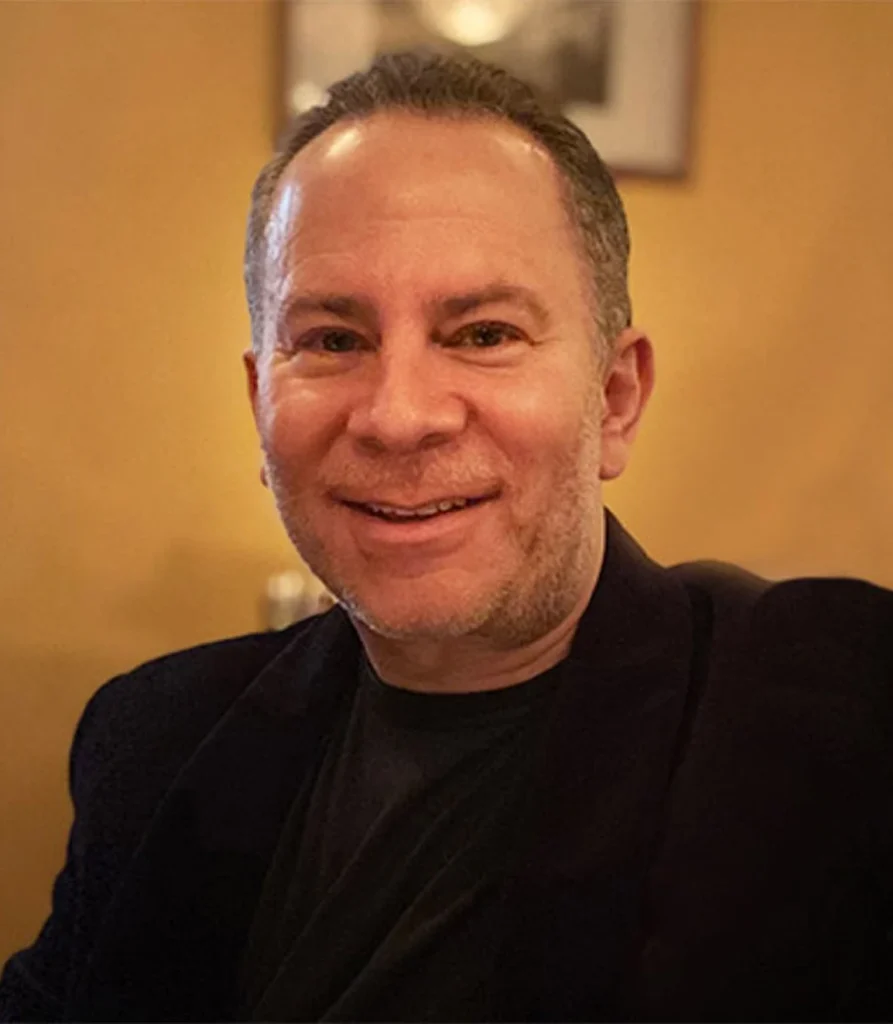
Fox Vein and Vascular is led by Dr. David Fox, a board-certified vascular surgeon with over 20 years of experience. Unlike aesthetic clinics that may only treat the surface appearance of spider veins, a vascular surgeon understands the intricate hemodynamics of the circulatory system. We treat the underlying disease, not just the cosmetic result.
Our facility offers a state-of-the-art environment where patient comfort and safety are paramount. We understand that seeking vein treatment near me can be daunting, which is why our staff is dedicated to guiding you through every step of the process, from insurance verification to post-procedure care.
- Read more about our team and expertise on our About Page.
Addressing Knee Pain and Vein Issues
It is worth noting that leg pain is sometimes multifactorial. Patients often come to us with vein pain, but also complain of knee discomfort. Interestingly, there is often an overlap. Vein disease can cause pain that radiates around the knee, but chronic knee pain can also be a separate issue related to osteoarthritis.
At Fox Vein and Vascular, we look at the whole picture. In addition to being a premier Manhattan vein clinic, we also offer innovative treatments for musculoskeletal pain, such as Genicular Artery Embolization (GAE) for chronic knee pain. This holistic approach ensures that we aren’t just treating a vein, but treating the patient.
- Learn about our solutions for Chronic Knee Pain.
Real Patient Experiences
Many patients who walk through our doors have suffered for years, thinking their night cramps were just a part of aging. After treatment, the feedback is often the same: “I wish I had done this sooner.”
Relief from night leg pain can be almost immediate following procedures like EVLA. Patients report sleeping through the night for the first time in years, waking up with legs that feel lighter and more energized. Eliminating the constant throb of bulging veins restores not just comfort, but energy levels and overall mood.
The Cost of Vein Treatment
A common misconception is that vein treatment is purely cosmetic and therefore not covered by insurance. This is largely untrue for patients with symptomatic vein disease. If you have symptoms like pain, swelling, heaviness, or skin changes, most insurance providers consider treatment medically necessary.
As a reputable vein specialist Manhattan practice, we work with a wide range of insurance plans. Our administrative team helps navigate the requirements for coverage, ensuring you can access the care you need without unexpected financial burdens.
Taking the First Step Toward Better Sleep
If you are lying awake at night rubbing your legs, searching for relief from the ache, it is time to seek professional help. You do not have to accept leg pain as your new normal. Whether you have visible varicose veins or hidden venous insufficiency causing your symptoms, effective treatment is available right here in New York City.
Don’t wait for leg swelling and veins to limit your mobility or ruin another night’s sleep.
Why Choose Fox Vein and Vascular?
- Expertise: Dr. Fox is a board-certified vascular surgeon with decades of experience.
- Technology: We use the latest minimally invasive technology for superior results.
- Convenience: Located in the heart of Manhattan, our office is easily accessible for all New Yorkers.
- Comprehensive Care: From spider veins to complex vascular conditions, we cover it all.
If you are looking for the best vein doctor near me, look no further. Contact Fox Vein and Vascular today to schedule your consultation. Let us help you silence the pain and get back to dreaming.
To schedule an appointment, call us at (212) 362-3470 or visit our Contact Page to book online.
Frequently Asked Questions About Vein Pain
Can dehydration cause night leg cramps?
Yes, dehydration creates an electrolyte imbalance that can trigger muscle cramps. However, if you are well-hydrated and still experiencing frequent cramps combined with heaviness or swelling, it is likely a vein issue that requires a vein specialist near me.
Will magnesium supplements stop my leg cramps?
Magnesium can help with muscle relaxation, but if the root cause of your cramping is venous reflux (broken valves), supplements will only mask the symptom, not cure the problem. A Manhattan vein clinic can diagnose the underlying mechanical issue.
Are spider veins the same as varicose veins?
Not exactly. Spider veins are smaller, dilated capillaries near the surface of the skin, often red or blue. Varicose veins are larger, deeper, and often bulge out. Both are signs of vein disease, but varicose veins are more likely to cause physical symptoms like pain and swelling.
Is vein treatment painful?
Most modern vein treatments are minimally invasive and involve very little discomfort. We use local anesthesia to numb the area. Most patients describe the sensation as mild pressure rather than pain and return to normal activities immediately.
How do I find a chronic vein condition specialist near me?
Look for a clinic led by a board-certified vascular surgeon. Check their reviews, ask about their experience with your specific symptoms, and ensure they offer a comprehensive diagnostic ultrasound. Fox Vein and Vascular is a trusted provider for vein care treatment Manhattan.
Disclaimer: The content provided in this blog is for informational purposes only and does not constitute medical advice. Always consult with a qualified healthcare provider for diagnosis and treatment of any medical condition.
You and Your Veins
Treatment for painful or embarrassing spider veins and varicose veins is now available without the need for invasive vein surgery. Fox Vein Care, a leading vein treatment center in Manhattan offers a range of minimally invasive, state-of-the-art alternatives to vein surgery, including Transdermal Laser Treatment and sclerotherapy, in the convenience of our Manhattan office.
Learn More

