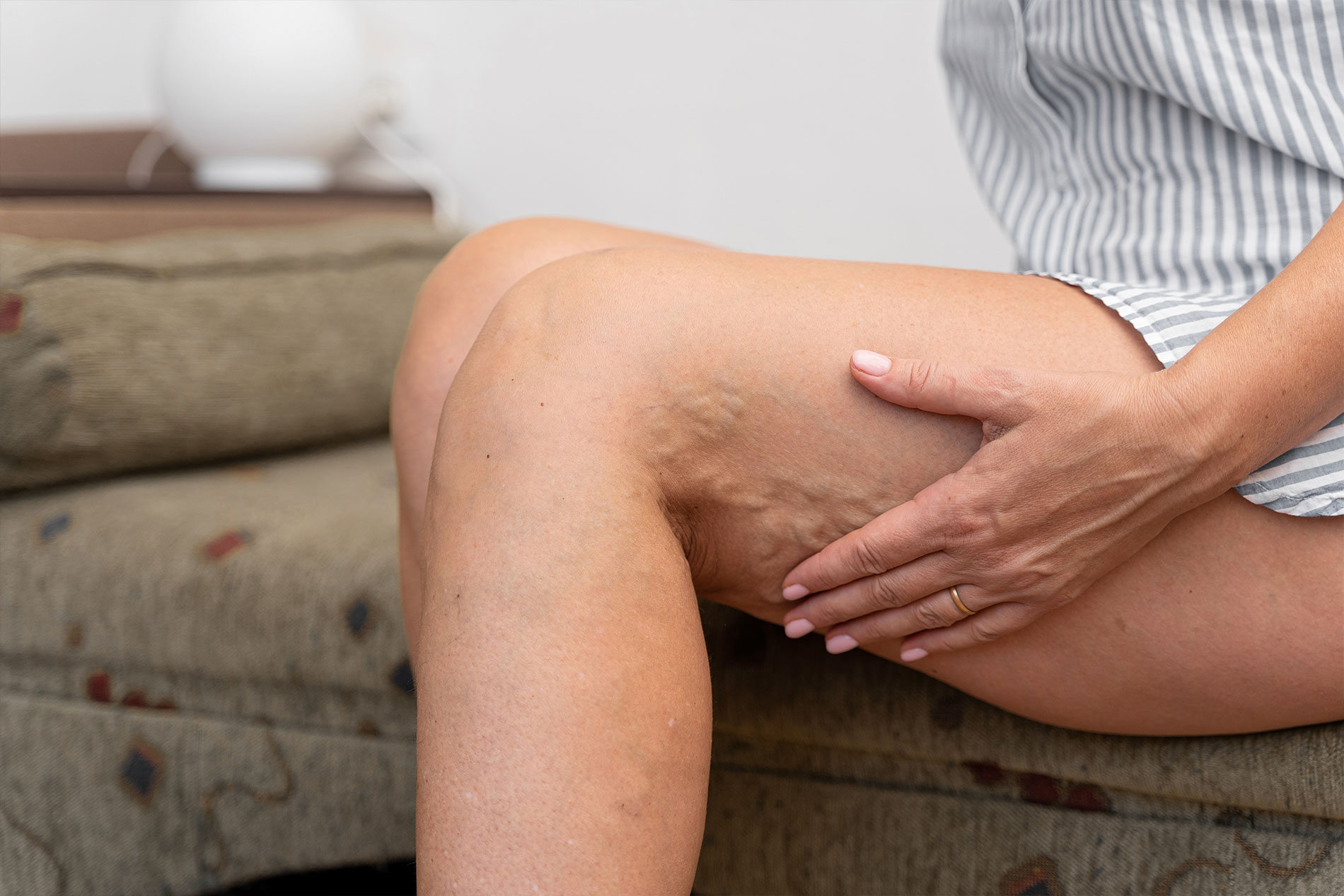
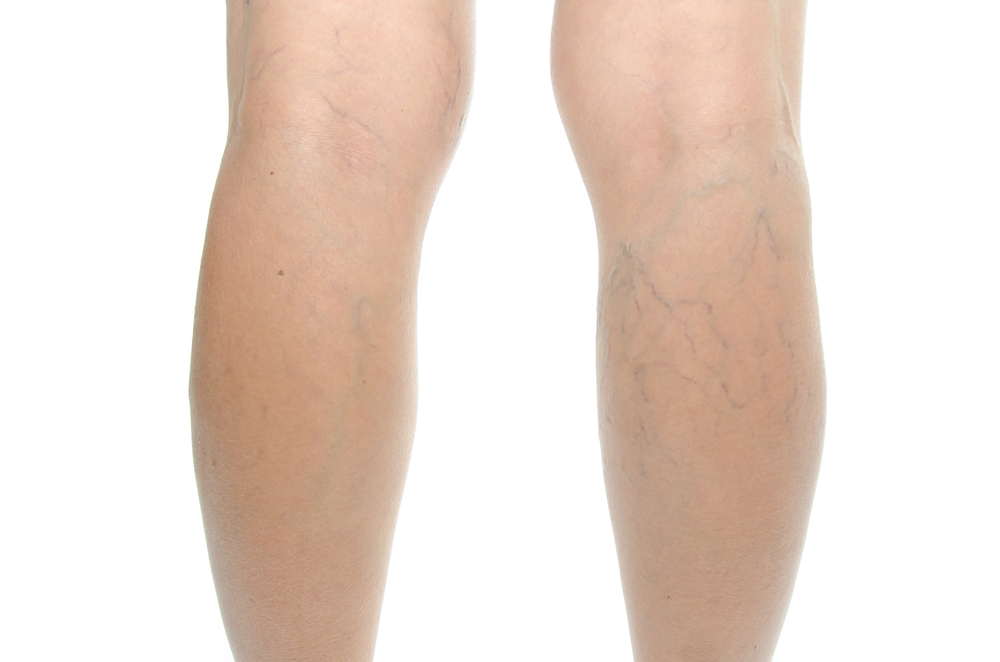
Spider veins, those small, web-like patterns of red, blue, or purple veins that appear just under the skin’s surface, are a common concern for many adults. While often considered a cosmetic issue, their appearance on the legs can sometimes cause discomfort and raise questions about underlying health. Understanding what causes these tiny veins is the first step toward effective management and treatment. For those living in New York, finding a qualified vein specialist in Manhattan can provide clarity and a path toward healthier, clearer-looking legs.
Many factors contribute to the development of spider veins, known medically as telangiectasias. They are essentially tiny, damaged blood vessels visible through the skin. While they can appear anywhere, they are most frequently found on the legs and face. This article will explore the primary causes of spider veins on the legs, discuss contributing risk factors, and explain when it might be time to seek professional vein care treatment in Manhattan.
Understanding Vein Function and Dysfunction
To grasp what causes spider veins, it’s helpful to first understand how healthy veins work. Your circulatory system is a complex network of arteries and veins. Arteries carry oxygen-rich blood from your heart to the rest of your body, while veins are responsible for returning deoxygenated blood back to the heart to be replenished.
The veins in your legs have a particularly challenging job. They must work against gravity to push blood upward. To accomplish this, they rely on a series of one-way valves. As blood flows toward the heart, these valves open. They then close to prevent blood from flowing backward. The contraction of your leg muscles also plays a crucial role, squeezing the veins and helping to propel blood upward.
What Goes Wrong? The Root of Venous Issues
Spider veins and their larger counterparts, varicose veins, develop when this system falters. The primary issue is often weakened or damaged valves within the veins. When a valve becomes incompetent, it fails to close properly. This allows blood to leak backward and pool in the lower part of the vein, a condition known as venous reflux.
This pooling of blood increases the pressure inside the vein, a state called venous hypertension. Over time, this sustained pressure can cause the vein walls to stretch, weaken, and expand. In the case of spider veins, this process affects the tiny, superficial capillaries just beneath the skin’s surface, causing them to dilate and become visible. When larger, deeper veins are affected, the result is often the development of bulging, twisted varicose veins. While they stem from the same underlying mechanism, their appearance and potential symptoms differ significantly.
Primary Causes and Key Risk Factors for Spider Veins
The development of spider veins is rarely due to a single cause. Instead, it is typically a combination of hereditary predispositions and various lifestyle or biological factors that place stress on the venous system. Anyone can develop them, but certain factors significantly increase your risk.
Heredity: The Genetic Link
One of the most significant predictors for developing spider veins is family history. If your parents or other close relatives have them, you are far more likely to develop them yourself. This genetic predisposition can mean you are born with inherently weaker vein walls or valves, making them more susceptible to damage over time. While you cannot change your genes, knowing you have a family history of venous issues allows you to be proactive in managing other risk factors. If you’re concerned about a genetic predisposition, consulting with the best vein doctor near me can provide personalized advice for preventative care.
Hormonal Fluctuations: A Major Contributor for Women
Hormones, particularly estrogen and progesterone, play a substantial role in vein health. These hormones can relax vein walls, which can interfere with proper valve function. This is a primary reason why women are significantly more likely to develop spider veins than men. Several life stages involving major hormonal shifts can trigger or worsen the condition:
- Puberty: The initial surge of hormones can begin to affect the integrity of vein walls.
- Pregnancy: This is a major trigger for many women. During pregnancy, blood volume in the body increases dramatically to support the growing fetus, placing extra pressure on all veins. Simultaneously, high levels of progesterone cause vein walls to become more elastic and relaxed. The expanding uterus also puts direct physical pressure on the large pelvic veins, further impeding blood flow from the legs back to the heart.
- Menopause: The hormonal changes that occur during menopause can also affect vein elasticity and contribute to the development of new spider veins or the worsening of existing ones.
- Hormonal Treatments: The use of birth control pills or hormone replacement therapy (HRT) can also increase the risk, as these treatments introduce additional hormones that can relax vein walls.
The Effects of Aging
As we age, our bodies undergo natural wear and tear, and the venous system is no exception. The valves in our veins can weaken and lose their effectiveness over time simply due to years of use. The walls of the veins may lose elasticity, and the calf muscles, which support the veins in pumping blood, may weaken. This combination of factors makes it harder for the veins to efficiently return blood to the heart, increasing the likelihood of blood pooling and the formation of spider veins. This is why the prevalence of both spider and varicose veins increases steadily with age. Visiting a vein specialist in Manhattan can help assess age-related risks and create a prevention plan.
Prolonged Standing or Sitting: The Gravity Factor
Occupations or lifestyles that require long periods of either standing or sitting can significantly contribute to the development of spider veins. When you are on your feet for hours at a time, your veins must work continuously against gravity to push blood upward from your legs. This sustained pressure can fatigue the valves and lead to venous reflux.
Conversely, sitting for extended durations is also problematic. When you sit, especially with your legs bent or crossed, your calf muscles are inactive. These muscles are often called the “second heart” because their contraction is essential for pumping blood out of the legs. Without this pumping action, blood flow becomes sluggish, and pressure builds in the leg veins. If your job involves a desk or long commutes, it’s crucial to take regular breaks to walk around and stretch.
Excess Body Weight and Obesity
Carrying extra body weight places additional pressure on nearly every system in your body, including your veins. This excess weight increases the pressure on the veins in your legs and abdomen, making it more difficult for blood to flow back to the heart. Obesity is a well-established risk factor not only for spider veins but also for more severe forms of venous disease, such as varicose veins and chronic venous insufficiency. Maintaining a healthy weight through diet and exercise is one of the most effective ways to reduce strain on your circulatory system. If you need guidance, a chronic vein condition specialist near me can help customize recommendations.
Sun Exposure: A Cause for Facial Spider Veins
While this article focuses on spider veins on the legs, it’s worth noting that sun exposure is a primary cause of spider veins on the face, particularly on the nose and cheeks. Ultraviolet (UV) radiation from the sun can damage collagen, the connective tissue that supports the skin and blood vessels. This damage can cause the tiny blood vessels in the face to dilate and become permanently visible. Wearing broad-spectrum sunscreen daily is the best defense against this type of damage.
Previous Injury or Trauma
A history of leg injury, such as a broken bone or a severe bruise, can sometimes damage the veins and their valves in the affected area. Likewise, certain types of surgery on the legs can disrupt normal blood flow patterns. In some cases, this damage can lead to localized venous hypertension and the subsequent development of spider veins near the site of the injury.
Are Spider Veins a Sign of a Bigger Vein Problem?
A common question that arises is whether the presence of spider veins is indicative of a more serious underlying medical issue. For many people, spider veins are primarily a cosmetic concern. They may be completely asymptomatic, causing no physical discomfort.
However, it is crucial to understand that spider veins can sometimes be an early-warning sign of a condition called Chronic Venous Insufficiency (CVI). CVI is a progressive medical condition where the veins are unable to pump enough blood back to the heart. The same valve dysfunction and venous reflux that cause spider veins are at the heart of CVI.
When spider veins are accompanied by other vein symptoms in legs, it is more likely that there is an underlying issue. These symptoms include:
- Leg Pain or Aching: A dull, persistent ache or feeling of heaviness in the legs, often worse at the end of the day.
- Swelling: Mild to moderate leg swelling and veins that are more prominent, especially in the ankles and lower legs.
- Itching or Burning: An itching or burning sensation over the affected veins.
- Restless Legs: An uncomfortable, irresistible urge to move the legs, particularly at night.
- Leg Cramps: Frequent cramping, especially at night.
If you experience any of these symptoms in conjunction with your spider veins, it is highly recommended that you consult a specialist. A varicose vein doctor in Manhattan or a board-certified vascular surgeon can perform a thorough evaluation to determine if you have CVI. This often involves a non-invasive Duplex ultrasound scan, which allows the doctor to visualize the blood flow in your veins and identify any faulty valves. Early diagnosis and treatment of CVI can prevent the condition from progressing to more severe stages, which can involve varicose veins, skin discoloration, and even venous ulcers.
When Is Spider Vein Treatment Recommended?
The decision to seek treatment for spider veins is a personal one and depends on your individual circumstances and goals. You may consider visiting a Manhattan vein clinic for several reasons:
- For Cosmetic Improvement: The most common reason people seek treatment is to improve the appearance of their legs. If you feel self-conscious about your spider veins and avoid wearing shorts, skirts, or swimsuits because of them, treatment can restore your confidence.
- To Alleviate Symptoms: If your spider veins are causing uncomfortable symptoms like pain, aching, burning, or itching, treatment can provide significant relief. Addressing the problematic veins can resolve the localized discomfort they cause.
- To Address Underlying Venous Insufficiency: If an evaluation reveals that your spider veins are a symptom of CVI, treatment will be medically recommended. In this case, the goal is not just cosmetic but also to improve your overall circulatory health and prevent the progression of the disease. A chronic vein condition specialist near me can create a comprehensive treatment plan that may address both the underlying larger vein issues and the superficial spider veins.
Professional Vein Care Treatment in Manhattan
Fortunately, modern medicine offers several highly effective, minimally invasive treatments for spider veins. Gone are the days of painful, extensive surgeries. Today’s procedures are typically performed in-office with little to no downtime. If you’re looking for vein treatment near me, you’ll find that specialists offer a range of advanced options, such as spider vein treatment designed for effective results.
Sclerotherapy
Sclerotherapy is often considered the gold standard for treating spider veins on the legs. During this procedure, a vein specialist injects a special medicated solution, called a sclerosant, directly into the targeted spider veins. This solution irritates the lining of the vein, causing it to collapse, stick together, and eventually scar. Over the following weeks, the treated vein is naturally absorbed by the body and fades from view.
The procedure is quick, typically lasting 15 to 30 minutes. Most patients require a series of treatments, spaced several weeks apart, to achieve their desired results. Sclerotherapy is highly effective for small to medium-sized spider veins.
Transdermal Laser Treatment
For very fine, superficial spider veins that may be too small to inject with sclerotherapy, transdermal laser treatment is an excellent option. This non-invasive procedure uses a specialized laser that delivers focused pulses of light energy through the skin to the targeted vein. The hemoglobin in the blood absorbs this light energy, which converts to heat. This heat damages the vessel wall, causing the vein to seal shut and be absorbed by the body.
Laser treatments are also quick and require no needles or incisions. Patients may experience a sensation similar to a rubber band snapping against the skin during the procedure. Like sclerotherapy, multiple sessions are usually needed for optimal results.
Combination Therapy
In many cases, the most effective approach is a combination of treatments. For instance, a patient might have a mix of spider veins, reticular veins (slightly larger, blue-green feeder veins), and even varicose veins. A comprehensive treatment plan from a top vein specialist in Manhattan might involve using a procedure like Endovenous Laser Therapy (EVLT) to close a deeper, dysfunctional vein that is feeding the surface veins, followed by sclerotherapy to eliminate the visible spider veins. This approach addresses the problem at its source, leading to better long-term results.
Exploring your options for spider veins treatment in Manhattan is a proactive step toward both aesthetic improvement and better leg health.
Lifestyle Changes to Prevent and Manage Spider Veins
While you can’t change your genetics, there are many proactive steps you can take to reduce your risk of developing new spider veins and manage existing ones. These lifestyle modifications can improve your overall circulatory health.
- Stay Active: Regular exercise is one of the best things you can do for your veins. Activities like walking, swimming, and cycling engage your calf muscles, helping them pump blood efficiently out of your legs.
- Maintain a Healthy Weight: Losing excess weight reduces the pressure on your leg veins.
- Elevate Your Legs: When you are resting, elevate your legs above the level of your heart for 15-20 minutes, a few times a day. This uses gravity to help blood flow back toward your heart.
- Avoid Prolonged Standing or Sitting: If your job requires it, take frequent breaks. Walk around, stretch your ankles, and do calf raises to keep the blood moving.
- Wear Compression Stockings: These garments provide gentle, graduated pressure on your legs, with the most pressure at the ankle and decreasing up the leg. This helps support your veins and prevent blood from pooling. A vein specialist can recommend the appropriate compression level for you.
- Eat a Healthy Diet: A diet high in fiber can prevent constipation, which can increase pressure on your veins. Foods rich in flavonoids, like berries and citrus fruits, may also help improve vein health.
Understanding the causes of spider veins empowers you to take control of your venous health. While factors like genetics and hormonal changes are beyond your control, a healthy lifestyle can make a significant difference. If you are troubled by the appearance of your spider veins or are experiencing any uncomfortable symptoms, seeking a professional evaluation is the best course of action. A qualified specialist at a reputable Manhattan vein clinic can provide an accurate diagnosis and guide you toward the most effective, personalized treatment plan for your needs.
For those ready to take the next step, explore more about spider vein treatments in Manhattan and schedule a consultation to regain confidence in your legs.
Leading Manhattan Vascular & Vein Specialist
At Fox Vein Care, we provide state-of-the-art vascular and venous treatments, combining advanced diagnostic technology with minimally invasive procedures that prioritize comfort, safety, and outstanding results.
Contact Us