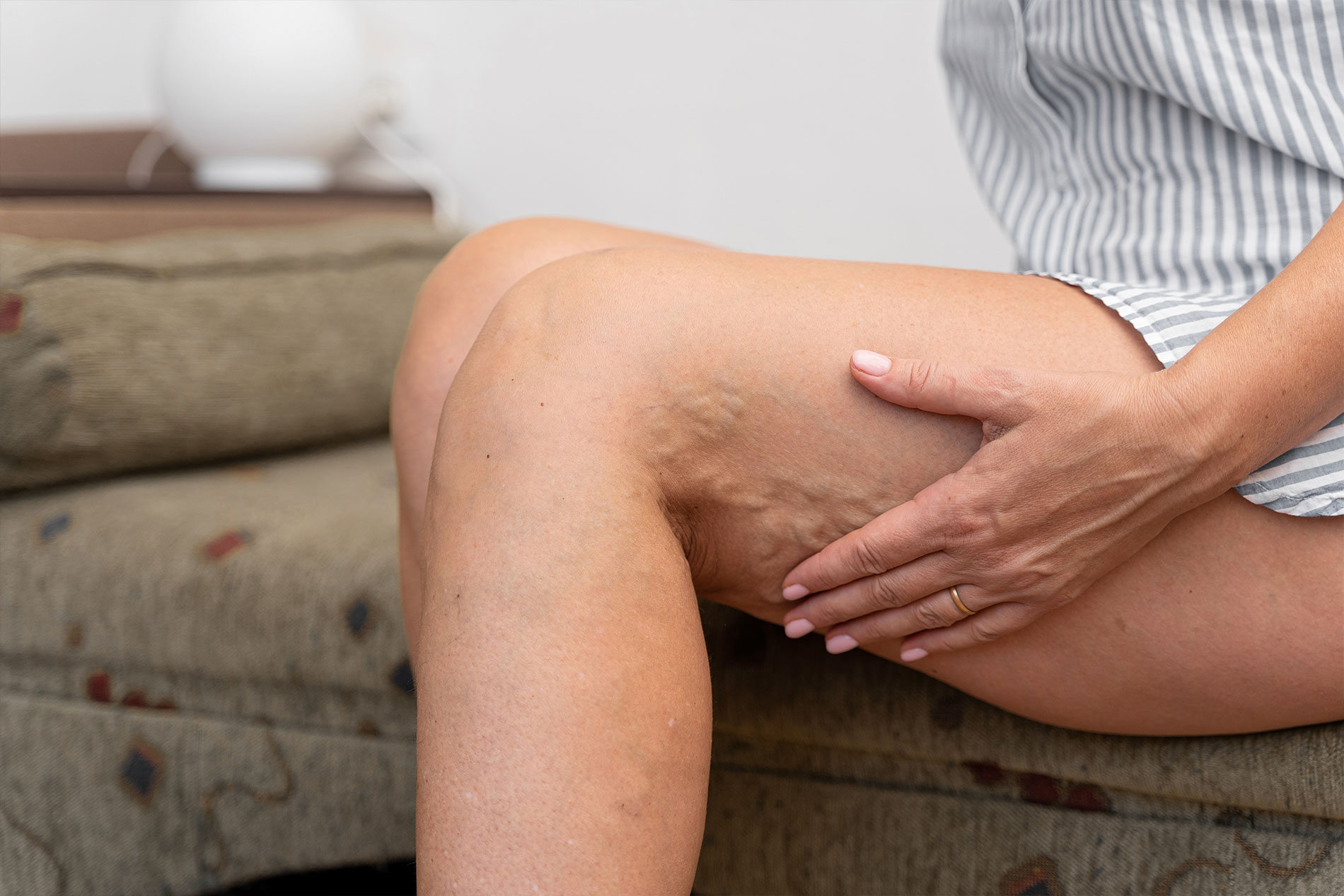
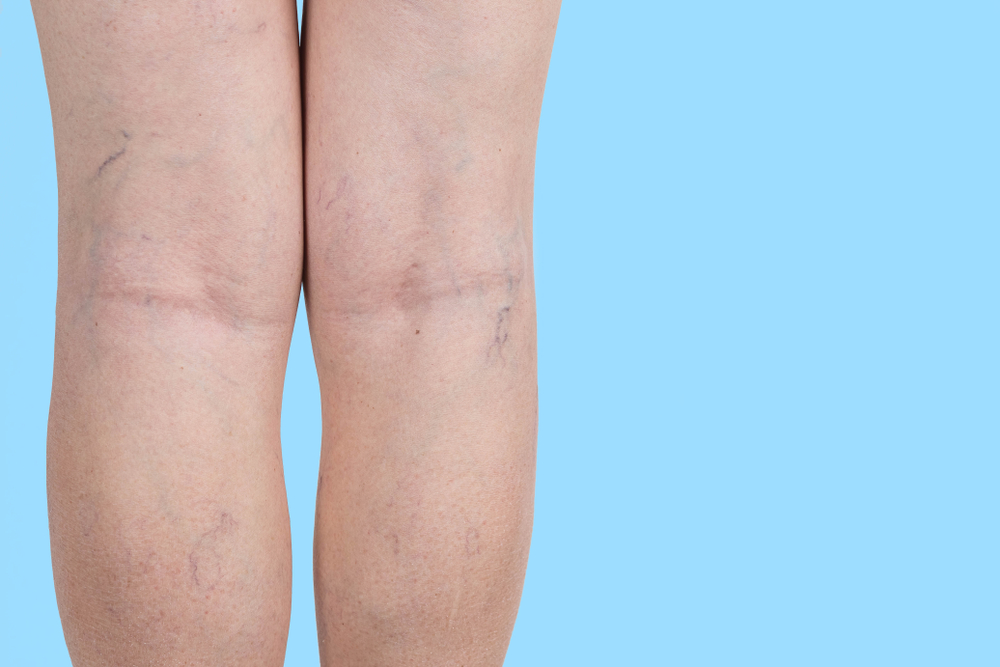
At the end of a long workday spent on your feet, do you experience tired, achy, or heavy-feeling legs? For millions of professionals—including nurses, teachers, chefs, retail workers, and hairstylists—these symptoms are an all-too-common reality. Often, along with this discomfort, you may notice the appearance of fine, web-like patterns of red, blue, or purple lines on your skin. These are spider veins, and their connection to occupations that require prolonged standing is not a coincidence. If you’ve been searching for a “vein specialist near me” to understand this link, you’re taking a crucial step toward better leg health.
The relationship between spider veins and standing jobs is well-documented. While these tiny veins might seem like just a cosmetic nuisance, they can be a visible sign of underlying circulatory stress. The constant downward pressure of gravity places an enormous burden on your leg veins, and without frequent movement, this can lead to venous inefficiency. For those working in a bustling city like New York, finding a trusted Manhattan vein clinic is essential to address these occupational hazards.
This article will provide a comprehensive overview of why standing for long hours contributes to the formation of spider veins. We will explore the mechanics of your circulatory system, identify the specific risks associated with standing occupations, and detail the symptoms you shouldn’t ignore. Most importantly, we’ll provide practical preventive strategies and outline the effective, modern treatments available to manage and eliminate spider veins.
How Your Veins Work and Why Standing Is a Challenge
To understand why a standing job can lead to spider veins, you first need to appreciate the incredible task your leg veins perform every day. Your circulatory system is a complex network, with arteries carrying oxygen-rich blood from the heart to the rest of the body, and veins carrying the deoxygenated blood back to the heart for re-oxygenation.
In your legs, this return trip is an uphill battle against gravity. Your venous system has two key mechanisms to accomplish this feat:
- One-Way Valves: Your veins are lined with a series of tiny, flap-like valves. As blood flows upward toward the heart, these valves open. They then snap shut to prevent blood from flowing backward.
- The Calf Muscle Pump: When you walk, your calf and leg muscles contract and squeeze the deep veins in your legs. This powerful pumping action propels blood upward, pushing it from one valve section to the next.
When you are standing still for long periods, this system is compromised. The calf muscle pump is not engaged, leaving the small, one-way valves to bear the full weight of the column of blood in your legs. This constant, unmitigated pressure is the root cause of many venous problems.
The Direct Link: How Standing Leads to Spider Veins
Prolonged standing creates a perfect storm for venous insufficiency, the underlying condition that leads to spider veins and their larger cousins, varicose veins.
The Process of Venous Hypertension
- Gravity’s Toll: When you stand still, gravity constantly pulls blood downward. Without the assistance of the calf muscle pump, blood begins to move sluggishly and pool in the lower leg veins.
- Increased Venous Pressure: This pooling of blood significantly increases the pressure inside the veins, a condition known as venous hypertension.
- Valve Damage: Over time, this sustained pressure can damage the delicate one-way valves. They can become weakened and unable to close properly, allowing blood to leak backward—a process called venous reflux.
- Vein Wall Dilation: The constant pressure also stretches and weakens the walls of the veins. This causes them to dilate, or widen. When this happens to the large, deeper veins, you see bulging varicose veins. When it happens to the tiny capillaries near the surface of the skin, you see spider veins.
Essentially, a standing job forces your venous system into a state of chronic stress. The visible spider veins are the external manifestation of this internal pressure and circulatory inefficiency. A chronic vein condition specialist near me can diagnose the extent of this issue with a simple, non-invasive ultrasound.
Which Professions Are at the Highest Risk?
Any job that involves standing for more than 75% of the workday puts you at a significantly higher risk for developing spider veins and other venous disorders. The lack of movement is the key factor.
Some of the highest-risk professions include:
- Healthcare Workers: Nurses, surgeons, and medical technicians are constantly on their feet, often for 12-hour shifts.
- Teachers and Professors: Lecturing and managing a classroom involves hours of standing.
- Retail and Customer Service Staff: Cashiers, sales associates, and greeters often stand in one place for their entire shift.
- Hospitality Workers: Chefs, line cooks, bartenders, and servers are always moving, but rarely get a chance to sit down.
- Hairstylists and Barbers: These professionals spend their days standing by their chairs.
- Factory and Assembly Line Workers: Manufacturing jobs often require standing at a station for long stretches.
- Security Guards: Monitoring posts usually involves prolonged periods of standing.
If you work in one of these fields, recognizing the vein symptoms in legs early and taking preventive measures is crucial for your long-term health and comfort.
Are Spider Veins Just a Cosmetic Issue?
For some people, spider veins may not cause any physical discomfort. In these cases, treatment is considered cosmetic. However, for many who stand for a living, spider veins are accompanied by a range of uncomfortable symptoms that indicate underlying venous insufficiency.
Ignoring these symptoms means ignoring a developing medical condition. It’s time to consult a varicose vein doctor in Manhattan if your spider veins are associated with any of the following:
- Aching and Heaviness: A persistent dull ache or feeling of fatigue and heaviness in the legs, which typically worsens as your workday progresses.
- Vein Pain and Throbbing: Localized pain, throbbing, or a burning sensation in the areas where spider veins are present.
- Leg Swelling and Veins: Swelling (edema) in your feet, ankles, and lower legs. You might notice your shoes feel tighter by the end of the day.
- Itching: An uncomfortable itching sensation over the veins. This is caused by the inflammation resulting from pooled blood.
- Night Cramps: Painful cramping in the calf or foot muscles, often occurring at night and disrupting sleep.
- Restless Legs Syndrome: An irresistible urge to move your legs, especially when you are resting in the evening.
These symptoms are clear signals that your veins are struggling. Seeking vein care treatment in Manhattan can not only improve the appearance of your legs but also alleviate this daily discomfort and prevent the condition from worsening.
Proactive and Preventive Strategies for Standing Workers
While you may not be able to change your job, you can adopt several powerful strategies to counteract the effects of prolonged standing and protect your veins.
1. Master On-the-Job Movement
The most important preventive measure is to activate your calf muscle pump as much as possible throughout your shift.
- Take Short Walking Breaks: Even a two-minute walk every hour can make a huge difference. Walk to the restroom, get a glass of water, or just pace in a breakroom.
- Do Calf Raises: While standing in one spot, rise up onto your tiptoes, hold for a few seconds, and then lower your heels back down. Repeat this 10-15 times every hour. This simple exercise powerfully activates your calf muscles.
- Shift Your Weight: Avoid standing completely still. Shift your weight from one leg to the other frequently.
- Foot Flexes: Flex your feet up and down as if you are pressing a gas pedal. This can be done discreetly while you work.
2. Embrace Compression Therapy
Graduated compression stockings are one of the most effective tools for preventing and managing venous symptoms. They apply gentle, consistent pressure to your legs, with the most pressure at the ankle and gradually decreasing up the leg.
This external support helps to:
- Support your vein walls and prevent them from over-stretching.
- Improve the function of your venous valves.
- Increase blood flow velocity, preventing blood from pooling.
You can get them in various compression levels (measured in mmHg). For general prevention, a light to moderate compression (15-20 mmHg) is often sufficient. A vein specialist can recommend the appropriate level for your needs.
3. Prioritize After-Work Care
What you do after your shift is just as important as what you do during it.
- Elevate Your Legs: As soon as you get home, lie down and elevate your legs above the level of your heart for at least 15-20 minutes. This uses gravity to your advantage, helping to drain the pooled blood from your legs and relieve pressure.
- Exercise Regularly: Engage in activities that promote good circulation, such as walking, swimming, or cycling. Strong leg muscles provide better support for your veins.
- Maintain a Healthy Weight: Excess weight puts additional pressure on your entire circulatory system, including your leg veins.
4. Make Smart Lifestyle Choices
- Wear Comfortable Shoes: Avoid high heels for daily work. They shorten the calf muscles and impair the effectiveness of the muscle pump. Opt for comfortable, supportive footwear with a low heel.
- Stay Hydrated: Drinking plenty of water helps to keep your blood thinner and improve circulation.
When Prevention Isn’t Enough: Modern Treatment Options
If you have already developed symptomatic spider veins, preventive measures alone may not be enough to resolve them. Fortunately, modern treatments, such as those offered at Fox Vein & Vascular, are incredibly effective, minimally invasive, and require little to no downtime.
Getting a Proper Diagnosis
The first step is always a thorough evaluation at a specialized Manhattan vein clinic. This will include a physical exam and, most importantly, a Duplex Ultrasound scan. This painless imaging test allows the specialist to see the veins inside your legs, measure blood flow, and pinpoint any underlying venous reflux that is causing the problem. This diagnosis is crucial for creating a treatment plan that addresses the root cause, not just the surface symptoms. For more on comprehensive care and evaluation, visit the Vein & Vascular Treatments page.
Sclerotherapy: The Gold Standard for Spider Veins
Sclerotherapy is the premier treatment for eliminating spider veins and is offered at trusted Manhattan vein clinics.
- The Procedure: A vein specialist uses a micro-needle to inject a medicated solution (a sclerosant) directly into the targeted spider veins. For more information about this procedure and what to expect, visit our Spider Vein Treatment page.
- How It Works: The solution irritates the inner lining of the vein, causing it to collapse and seal shut. The body then naturally reroutes blood to healthier veins.
- The Result: Over the following weeks, the treated vein is gradually absorbed by the body and fades from view. The procedure is quick, performed in-office, and patients can return to their normal activities immediately.
Other Advanced Treatments
- Transdermal Laser Therapy: For very fine spider veins that are difficult to inject, a non-invasive laser can be used to heat the vein from outside the skin, causing it to coagulate and disappear.
- Endovenous Laser Therapy (EVLT): If the ultrasound shows that your spider veins are caused by a larger, deeper vein with faulty valves (like the great saphenous vein), your doctor will recommend treating this source vein first. EVLT uses laser energy to seal the diseased vein shut, eliminating the source of the pressure. After this, any remaining surface spider veins can be easily cleared with sclerotherapy for a durable, long-lasting result.
Conclusion: Take a Stand for Your Leg Health
The connection between spider veins and standing jobs is clear and direct. The relentless force of gravity, combined with the inactivation of the calf muscle pump during long periods of standing, creates the perfect environment for venous insufficiency to develop. While these web-like veins may start as a cosmetic annoyance, they are often a signal of underlying circulatory strain that can lead to significant pain, swelling, and discomfort.
You do not have to accept leg pain as a normal part of your job. By integrating simple movements into your workday, wearing compression stockings, and practicing good after-work care, you can significantly reduce your risk and alleviate symptoms.
If you already have symptomatic spider veins, it is time to seek professional help. A consultation with a board-certified specialist at a dedicated vein clinic is the best way to get an accurate diagnosis and learn about your treatment options. Modern procedures like sclerotherapy can effectively and safely eliminate spider veins, relieving your symptoms and restoring the appearance of your legs. Don’t wait for the problem to worsen—take a proactive step toward healthier legs today.
Leading Manhattan Vascular & Vein Specialist
At Fox Vein Care, we provide state-of-the-art vascular and venous treatments, combining advanced diagnostic technology with minimally invasive procedures that prioritize comfort, safety, and outstanding results.
Contact Us