
Waking up to find your ankles puffy or realizing your shoes feel tighter than usual can be alarming. Leg swelling, medically known as edema, is a common complaint that affects millions of people. For some, it is a minor annoyance after a long flight or a salty meal. For others, it is a persistent, painful reality that signals an underlying health issue. When home remedies like elevation or compression socks don’t seem to solve the puzzle, it’s time to look deeper at your vascular health.
The circulatory system is complex, consisting of arteries that bring oxygen-rich blood down to your legs and veins that carry oxygen-depleted blood back up to your heart. Problems with either side of this system can cause issues in the legs, but they manifest differently. A common point of confusion for patients is determining whether their symptoms—specifically swelling—are caused by Peripheral Arterial Disease (PAD) or Vein Disease.
While both conditions affect the blood vessels in your legs, their causes, symptoms, and treatments are vastly different. Understanding the distinction is crucial because the treatment for one could potentially worsen the other. This guide will help you navigate the differences, understand the role of a vascular specialist, and recognize when leg swelling requires immediate medical attention.
The Anatomy of Circulation: Why Swelling Happens
To understand what is going wrong, it helps to visualize how a healthy circulatory system works. Think of it as a plumbing system in a multi-story building.
- The Arteries (Supply Pipes): Your heart pumps blood into high-pressure arteries that deliver oxygen and nutrients to your tissues. Gravity helps this flow reach your feet.
- The Veins (Drain Pipes): Once the oxygen is used, the blood must travel back up to the heart through the veins. This is the hard part because the blood has to fight gravity. To help, your veins have tiny one-way valves that act like check valves, preventing blood from flowing backward. Your calf muscles also act as a pump, squeezing the veins with every step to push blood upward.
Leg swelling occurs when fluid gets trapped in the tissues of the leg. This usually happens because the pressure inside the veins is too high (fluid leaks out) or the lymphatic system isn’t draining properly.
Peripheral Arterial Disease (PAD): Does it Cause Swelling?
Peripheral Arterial Disease is a condition where the arteries become narrowed or blocked by plaque buildup (atherosclerosis). This restricts blood flow to the legs.
Here is the critical distinction: PAD typically does NOT cause significant leg swelling.
In fact, the opposite is often true. Because the arteries are blocked, the leg is “starved” of blood. The hallmark symptoms of PAD are related to a lack of blood flow, not an excess of fluid.
Common PAD Symptoms
If you have PAD, you are more likely to experience:
- Claudication: Pain, cramping, or heaviness in the calf, thigh, or buttock muscles while walking that goes away with rest.
- Thin, Atrophic Appearance: The leg may look thinner than normal due to muscle wasting.
- Shiny, Hairless Skin: The skin on the shins and feet often becomes shiny, and hair growth slows or stops.
- Coolness: The foot or leg feels cool to the touch compared to the other leg.
- Pallor or Rubor: The foot may turn pale when elevated and deep red (rubor) when hanging down.
- Painful Ulcers: Wounds on the toes or feet that are dry, painful, and have a “punched-out” appearance.
The Exception: When PAD Patients Have Swelling
While PAD itself is not a primary cause of swelling, a patient with PAD might have swelling for other reasons:
- Dependency Edema: Patients with severe PAD often have “rest pain”—burning in the feet at night. To get relief, they often sleep with their legs hanging over the side of the bed or sleep in a recliner. Keeping the legs in this dependent position 24/7 allows gravity to pool fluid in the feet, causing swelling.
- Heart Failure: Many patients with PAD also have heart disease. If the heart is weak, fluid can back up into the legs.
- Co-existing Vein Disease: It is possible to have both arterial and venous problems simultaneously.
Vein Disease: The Usual Suspect for Swelling
If your primary symptom is leg swelling, Vein Disease is a much more likely culprit than PAD. Vein disease encompasses a spectrum of conditions where the veins struggle to send blood back to the heart.
Chronic Venous Insufficiency (CVI)
This is the most common cause of chronic leg swelling. Over time, the valves in the leg veins can become damaged or weak. Instead of closing tightly to prevent backflow, they become “leaky.” Blood flows downward and pools in the lower legs, increasing pressure in the veins. This high pressure forces fluid out of the veins and into the surrounding tissue, leading to edema.
Symptoms of Venous Insufficiency:
- Swelling: Usually worse in the evening and better in the morning after sleeping with legs elevated.
- Heaviness/Aching: A dull ache or heavy feeling in the legs, often worse after standing for long periods.
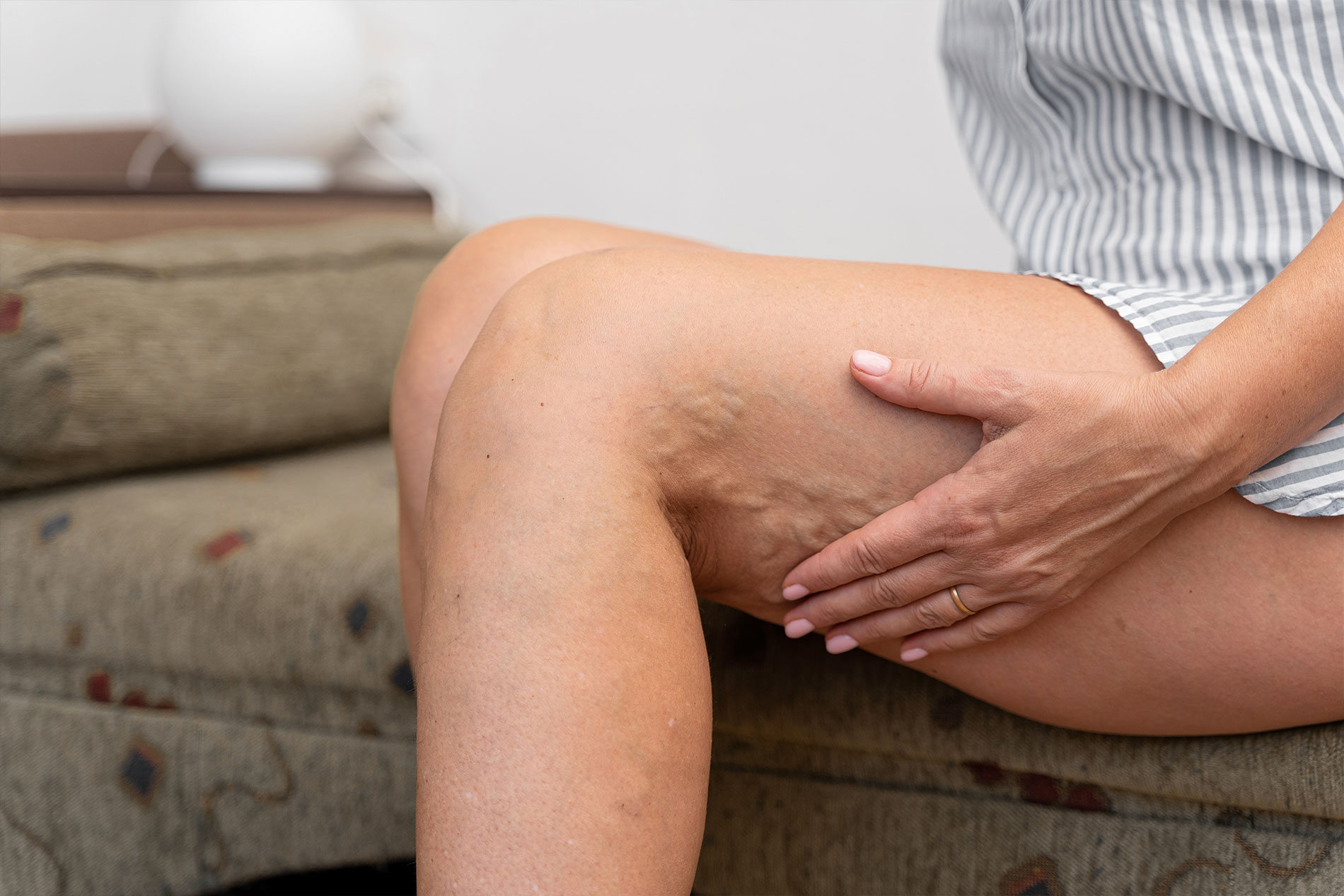
- Varicose Veins: Bulging, rope-like veins visible under the skin.
- Skin Discoloration: Reddish-brown staining (hemosiderin deposits) around the ankles.
- Skin Texture Changes: The skin may become hard, thick, or leathery (lipodermatosclerosis).
- Venous Stasis Ulcers: Shallow, irregular wounds usually found on the inner ankle. Unlike PAD ulcers, these are often wet and weeping fluid.
Deep Vein Thrombosis (DVT)
A DVT is a blood clot in a deep vein. This acts like a plug in the drain. Blood backs up behind the clot, causing rapid and often painful swelling.
Symptoms of DVT:
- Sudden Swelling: Often in just one leg.
- Pain: Deep cramping or soreness, like a charley horse.
- Warmth and Redness: The skin over the clot may feel hot.
DVT is a medical emergency because the clot can break loose and travel to the lungs. If you have sudden, one-sided leg swelling, seek immediate care.
Comparing the Two: A Quick Reference
Understanding the nuances can help you describe your symptoms more accurately to your doctor.
| Feature | Peripheral Arterial Disease (PAD) | Vein Disease (CVI / DVT) |
| Primary Issue | Blockage in supply (Arteries) | Failure in return (Veins) |
| Swelling? | Rare (unless legs are kept down constantly) | Common (The hallmark symptom) |
| Pain Type | Sharp cramping with walking (Claudication) | Dull ache, heaviness, bursting sensation |
| Relief | Stopping activity, hanging legs down | Elevating legs, walking, compression |
| Skin Temp | Cool / Cold | Warm / Normal |
| Skin Color | Pale (elevation), Red/Purple (dependent) | Red/Brown discoloration at ankles |
| Wounds | Dry, painful ulcers on toes/feet | Wet, weeping ulcers on ankles |
Why Accurate Diagnosis Matters
Mistaking vein disease for artery disease (or vice versa) can lead to dangerous treatment errors.
The Compression Danger:
The standard treatment for vein-related swelling is compression therapy (tight socks or wraps) to squeeze the fluid out of the tissue and help the veins pump blood upward. However, if you have PAD, compression can be harmful. If your arteries are already narrowed and struggling to deliver blood, squeezing the leg with tight compression stockings can cut off the blood supply completely, worsening ischemia and potentially leading to gangrene.
This is why you should never simply buy compression socks for leg swelling without first checking your arterial status with a vascular specialist.
How We Diagnose the Cause of Swelling
At Fox Vein and Vascular, we use a comprehensive approach to determine the root cause of your symptoms. It starts with a physical exam and a detailed history, followed by non-invasive testing in our vascular lab.
1. The Physical Exam
Dr. Fox will look for:
- Pulses: Strong pulses in the feet suggest good arterial flow, making PAD less likely. Weak or absent pulses point to PAD.
- Edema Type: Pitting edema (where a finger leaves an indentation) is common in vein disease and heart failure.
- Skin Changes: The texture and color of the skin give clues about whether the problem is arterial or venous.
2. Ankle-Brachial Index (ABI)
This is the gold standard screening for PAD. We measure the blood pressure in your ankle and compare it to the pressure in your arm.
- Normal Ratio (1.0 – 1.4): Indicates normal arterial flow.
- Low Ratio (< 0.9): Indicates PAD.
If your ABI is normal, we can safely rule out significant arterial disease and focus on venous causes for your swelling.
3. Duplex Ultrasound
We use ultrasound to look inside the vessels.
- Arterial Ultrasound: Maps blockages in the arteries.
- Venous Ultrasound: Checks for blood clots (DVT) and assesses the function of the vein valves (Reflux Study). If we see blood flowing backward (reflux) when you stand or squeeze your calf, it confirms venous insufficiency.
Treatment Paths: Customizing Care
Once we know if it is a plumbing supply issue (PAD) or a drainage issue (Vein Disease), we can tailor the plan.
Treating Vein-Related Swelling
If your swelling is caused by Venous Insufficiency:
- Compression Therapy: Prescription-grade stockings (only after ABI confirms it is safe).
- Elevation: Keeping legs above heart level when resting.
- Vein Ablation: A minimally invasive procedure where we use heat or adhesive to seal shut the diseased surface veins. This reroutes blood to healthy veins, reducing pressure and swelling.
- Sclerotherapy: Injecting a solution to close smaller varicose veins.
Treating PAD (If Present)
If you have PAD (even if it isn’t the primary cause of swelling), treating it is priority #1 for limb preservation.
- Risk Factor Management: Aggressive control of diabetes, cholesterol, and blood pressure.
- Walking Program: To build collateral circulation.
- Revascularization: Procedures like angioplasty or atherectomy to open blocked arteries.
If you have Mixed Disease (both PAD and Vein Disease), management is delicate. We may need to treat the arterial blockage first to restore safety, and then cautiously manage the venous swelling with light compression or modified elevation.
Other Causes of Leg Swelling
It is important to remember that not all leg swelling is vascular.
- Lymphedema: A blockage in the lymphatic system prevents fluid drainage. This often causes swelling in the toes and feet (unlike vein disease which usually spares the toes).
- Systemic Diseases: Kidney failure, liver disease, and heart failure can all cause fluid retention throughout the body.
- Medications: Certain drugs for high blood pressure (like calcium channel blockers), diabetes, and pain can cause edema as a side effect.
- Joint Issues: Inflammation from arthritis can cause localized swelling.
Dr. Fox works closely with your primary care team to ensure that if the cause isn’t vascular, you get directed to the right specialist.
Prevention: Keeping Your Legs Healthy
Whether you are worried about arteries or veins, maintaining vascular health is key to amputation prevention and mobility.
- Move More: Movement is life for your legs. Walking pumps venous blood up and encourages arterial blood down.
- Watch Your Weight: Excess weight puts immense pressure on the veins and increases the risk of diabetes (a major PAD risk).
- Quit Smoking: Smoking destroys arteries and damages vein linings. It is the single worst thing you can do for your circulation.
- Monitor Your Salt: High sodium intake causes water retention, worsening any existing swelling.
When to Seek Help
Do not ignore leg swelling, especially if:
- It appears suddenly.
- It is only in one leg.
- It is accompanied by pain, redness, or shortness of breath.
- You have a wound that won’t heal.
- You have known risk factors like diabetes or a history of smoking.
Conclusion
Determining whether your leg swelling is caused by PAD, Vein Disease, or something else is not a guessing game—it is a matter of precise diagnostics. While PAD rarely causes swelling directly, its presence changes how we must treat any swelling you do have. Vein disease, on the other hand, is the leading cause of heavy, swollen legs but requires confirmation to rule out dangerous clots.
Your mobility depends on the health of your legs. If you are experiencing leg swelling or pain, you need an expert who understands the entire vascular system.
Schedule a consultation with Dr. Fox at Fox Vein and Vascular to determine the true cause of your symptoms. Contact us today at (212) 362-3470 or visit foxvein.com to book your appointment.
Leading Manhattan Vascular & Vein Specialist
At Fox Vein Care, we provide state-of-the-art vascular and venous treatments, combining advanced diagnostic technology with minimally invasive procedures that prioritize comfort, safety, and outstanding results.
Contact Us