Managing Peripheral Artery Disease (PAD) requires a multi-faceted approach that goes beyond medication and medical procedures. Your daily habits and lifestyle choices play a crucial role in controlling symptoms and slowing the progression of the disease. Among the most impactful of these choices is achieving and maintaining a healthy weight. Excess weight acts as a significant burden on your entire cardiovascular system, and for individuals with PAD, this extra strain can dramatically worsen symptoms and accelerate the disease.
The connection between weight and PAD is direct and powerful. Carrying extra pounds contributes to the primary risk factors for PAD, including high blood pressure, high cholesterol, and type 2 diabetes. It also places a greater physical demand on your legs, which are already struggling with poor blood flow in legs due to blocked leg arteries. This can intensify the classic PAD symptom of claudication—painful cramping during activity—making mobility a daily challenge.
Embarking on a weight loss journey is a proactive, empowering step in your Peripheral Artery Disease treatment. It is one of the most effective non-medical strategies for reducing leg pain, improving circulation, and enhancing your overall quality of life. This comprehensive guide will explore how weight loss directly benefits PAD patients, offer practical strategies for safe and sustainable weight management, and explain the vital role a PAD specialist plays in supporting your journey to better health.
The Overlooked Connection: How Excess Weight Worsens PAD
To understand why weight loss is so beneficial, it’s important to first grasp how excess body weight negatively impacts a system already compromised by PAD. The effects are both systemic, affecting your entire vascular network, and mechanical, affecting the physical stress on your limbs.
- Increased Systemic Inflammation:
Adipose tissue, or body fat, is not just inert storage. It is an active endocrine organ that produces and releases a variety of chemicals, including inflammatory cytokines. Chronic, low-grade inflammation is a key driver of atherosclerosis, the process of plaque buildup that causes blocked leg arteries in the first place. More body fat means more inflammation, which can accelerate plaque formation throughout your body, worsening PAD and increasing the risk of heart attack and stroke. - Worsening of Key Risk Factors:
Excess weight is intrinsically linked to the major risk factors that cause and exacerbate PAD.
- High Blood Pressure (Hypertension): Carrying extra weight means your heart has to pump harder to circulate blood throughout a larger body mass. This increases the pressure against your artery walls, which can damage their delicate lining and speed up atherosclerosis.
- High Cholesterol (Dyslipidemia): Obesity is often associated with unhealthy cholesterol levels, specifically high LDL (“bad”) cholesterol and triglycerides, and low HDL (“good”) cholesterol. This lipid profile directly contributes to the plaque that narrows your arteries.
- Type 2 Diabetes and Insulin Resistance: Excess fat, particularly around the abdomen, is a primary cause of insulin resistance. When your cells don’t respond properly to insulin, sugar builds up in your bloodstream. High blood sugar is incredibly damaging to blood vessels, making them stiff and prone to plaque buildup. A PAD diagnosis in a diabetic patient signals a much higher risk for complications.
- Increased Mechanical Load on the Legs:
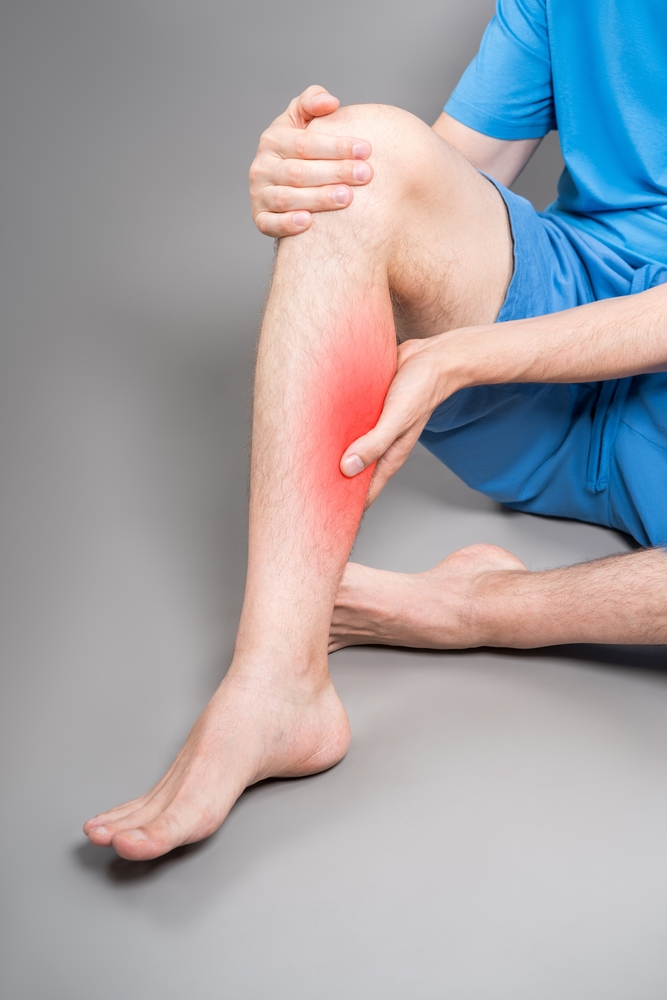
The most straightforward effect is the physical burden. Your legs have to carry your body weight with every step. For a person with healthy circulation, this is not an issue. However, for someone with PAD, the leg muscles are already starved for oxygen. Asking those oxygen-deprived muscles to carry extra weight dramatically increases their workload. This means that claudication (leg pain with walking) will start sooner, be more severe, and require longer rest periods to resolve. - Impaired Endothelial Function:
The endothelium is the thin inner lining of your blood vessels. It plays a critical role in regulating blood flow by releasing substances that cause the vessels to relax and widen. Obesity is known to impair endothelial function, making the arteries less responsive and less able to increase blood flow when needed, such as during exercise. This further compounds the leg circulation problems caused by PAD.
By contributing to inflammation, worsening risk factors, and increasing the physical load, excess weight creates a vicious cycle that makes PAD symptoms more severe and harder to manage.
The Transformative Benefits of Weight Loss for PAD Patients
Losing even a modest amount of weight—as little as 5-10% of your total body weight—can yield profound and measurable benefits for your vascular health and overall well-being. These improvements go far beyond what you see on the scale.
1. Significant Reduction in Leg Pain (Claudication)
This is often the most immediate and life-changing benefit. By reducing the physical load on your legs, your muscles require less oxygen to perform the same amount of work. This means you can walk farther and with less discomfort before the painful symptoms of claudication set in. This improvement in walking ability is crucial, as walking is itself a primary therapy for PAD. Weight loss makes your therapeutic exercise more effective and less painful.
2. Improved Overall Circulation
Weight loss helps combat the systemic issues that harm your arteries.
- Lower Inflammation: As you lose fat mass, the production of inflammatory cytokines decreases. This reduction in systemic inflammation helps to slow the progression of atherosclerosis.
- Healthier Arteries: Losing weight can lead to improved endothelial function, allowing your blood vessels to relax and dilate more effectively, which helps to mitigate poor blood flow in legs.
3. Better Management of Co-existing Conditions
Weight loss is one of the most effective ways to improve blood pressure, blood sugar, and cholesterol levels.
- Lower Blood Pressure: For every 2.2 pounds (1 kg) of weight lost, blood pressure can decrease by approximately 1 mmHg. This reduces the daily strain on your arteries.
- Improved Cholesterol Profile: Weight loss, especially when combined with a healthy diet, can lower LDL cholesterol and triglycerides while raising protective HDL cholesterol.
- Increased Insulin Sensitivity: Losing weight can dramatically improve your body’s response to insulin, helping to lower blood sugar levels and better manage or even prevent type 2 diabetes.
4. Reduced Risk of Severe Complications
By slowing the progression of atherosclerosis and improving overall vascular health, weight loss helps lower the risk of PAD advancing to its most severe form, Critical Limb Ischemia (CLI). CLI is characterized by ischemic rest pain and non-healing ulcers and is a major precursor to amputation. By managing your weight, you are actively participating in a strategy for long-term amputation prevention.
5. Enhanced Quality of Life
The benefits extend beyond the physical. Being able to walk farther with less pain means greater independence and the ability to participate more fully in social activities, hobbies, and daily errands. The confidence and sense of accomplishment that come with successful weight management can also significantly improve mental and emotional well-being.
Questions about your treatment options? Dr. Fox can help.
Book a ConsultationPractical Strategies for Safe and Sustainable Weight Loss
For someone with PAD, a “crash diet” or extreme exercise regimen is not the answer. The approach must be safe, sustainable, and tailored to support cardiovascular health. The goal is steady progress, not rapid, unsustainable change.
Step 1: Adopt a Heart-Healthy, Anti-Inflammatory Diet
Your diet is the cornerstone of your weight loss effort. Focus on nutrient-dense, whole foods that fight inflammation and support arterial health.
- Prioritize Plant-Based Foods: Build your meals around vegetables, fruits, legumes (beans, lentils), and whole grains. These foods are high in fiber, which helps you feel full and satisfied on fewer calories, and are packed with artery-protecting antioxidants.
- Choose Lean Proteins: Opt for skinless poultry, fish, beans, and lentils instead of red and processed meats. Fatty fish like salmon are particularly beneficial due to their high content of anti-inflammatory omega-3 fatty acids.
- Embrace Healthy Fats: Replace saturated and trans fats with healthy unsaturated fats found in olive oil, avocados, nuts, and seeds. These fats help lower bad cholesterol and reduce inflammation.
- Hydrate with Water: Sugary drinks like sodas and juices are a major source of empty calories. Replace them with water, herbal tea, or sparkling water. Staying hydrated is also important for overall circulatory function.
- Practice Portion Control: Even healthy foods have calories. Use smaller plates, be mindful of serving sizes, and listen to your body’s hunger and fullness cues. A simple trick is to fill half your plate with non-starchy vegetables, a quarter with lean protein, and a quarter with a whole-grain carbohydrate.
Step 2: Incorporate Safe, Low-Impact Exercise
Exercise is crucial for burning calories and is also a direct treatment for PAD. The key is to choose activities that are gentle on your joints.
- The PAD Walking Program: Walking is the gold-standard exercise for PAD. Use the walk-rest-walk interval method: walk until you feel moderate claudication pain, rest until the pain subsides, and then repeat. This process helps your body build new blood vessels around blockages. Losing weight will make these sessions progressively easier and more effective.
- Aquatic Exercise: Walking or exercising in a pool is an excellent option. The water’s buoyancy supports your body weight, reducing stress on your joints and allowing you to move more freely and with less pain.
- Stationary Cycling: Cycling on a stationary bike provides a great cardiovascular workout with no impact. Start with low resistance and gradually increase the intensity as your fitness improves.
- Strength Training: Building muscle increases your resting metabolism, meaning you burn more calories even when you’re not exercising. Focus on light-weight, high-repetition exercises. A PAD specialist or physical therapist can help design a safe program.
Step 3: Set Realistic Goals and Track Your Progress
Sustainable weight loss is a marathon, not a sprint.
- Aim for 1-2 Pounds Per Week: This is a safe and realistic rate of weight loss that is more likely to be maintained long-term.
- Focus on Non-Scale Victories: Your success isn’t just a number on the scale. Track other improvements, such as how much farther you can walk before feeling pain, how your clothes fit, your energy levels, and improvements in your blood pressure or blood sugar readings. These are powerful motivators.
- Be Consistent, Not Perfect: There will be days when your diet or exercise plan doesn’t go perfectly. The key is to not let one off day derail your entire effort. Acknowledge it and get back on track with your next meal or next scheduled walk.
The Role of Your Vascular Specialist in Your Weight Loss Journey
You do not have to navigate weight loss with PAD on your own. Your vascular specialist is a key partner in this process, providing medical guidance, support, and a comprehensive treatment plan that incorporates your weight management goals.
- Comprehensive Initial Evaluation:
Before you begin any new diet or exercise program, a thorough evaluation is essential. A specialist will confirm your PAD diagnosis, assess the severity of your blocked leg arteries, and evaluate your overall health to ensure your weight loss plan is safe. - Personalized Exercise Prescription:
A PAD specialist can provide specific guidelines for your exercise program. Based on your symptoms and diagnostic test results, they can recommend a safe starting point for your walking program and advise on other appropriate low-impact activities. They can also determine if your circulation is stable enough for exercise or if you might first benefit from a procedure to improve blood flow. - Integrating Medical and Lifestyle Treatments:
Weight loss works best as part of a complete Peripheral Artery Disease treatment plan. Your specialist will manage other crucial aspects of your care, such as medications to control cholesterol and blood pressure, and will monitor how your weight loss impacts these conditions. If, despite your best efforts with diet and exercise, your PAD symptoms remain severe (such as debilitating claudication or ischemic rest pain), your specialist can discuss other options. Advanced, minimally invasive treatments for PAD, such as angioplasty or atherectomy, can restore blood flow, which can in turn make exercise and walking for weight loss significantly easier and more effective. - Monitoring and Encouragement:
Regular follow-up appointments allow your specialist to monitor your progress, celebrate your successes, and help you overcome any challenges. Knowing you have an expert in your corner can provide powerful motivation to stay on track. This partnership is vital for achieving long-term success.
Take the First Step Towards a Healthier You
Living with Peripheral Artery Disease presents challenges, but it also offers an opportunity to take control of your health in a powerful way. Managing your weight is one of the most impactful actions you can take to fight back against PAD. Every pound you lose lessens the burden on your heart and legs, reduces the painful symptoms of claudication, and lowers your risk for serious complications.
By combining a heart-healthy diet with a regular, low-impact exercise routine, you can create a positive feedback loop: weight loss makes walking easier, and walking helps you lose more weight, all while improving your circulation from the inside out.
If you are overweight and have been diagnosed with PAD or are experiencing symptoms like leg pain, don’t wait. A proactive approach is key. Partnering with a vascular expert can provide you with the personalized plan and medical support you need to succeed safely. Dr. David Fox and the team at Fox Vein and Vascular are dedicated to providing comprehensive PAD care to patients throughout Manhattan, the 5 Boroughs, and the entire tri-state area. We are committed to helping you improve your symptoms, your mobility, and your overall quality of life.
For more information, visit foxvein.com or call (212) 362-3470.