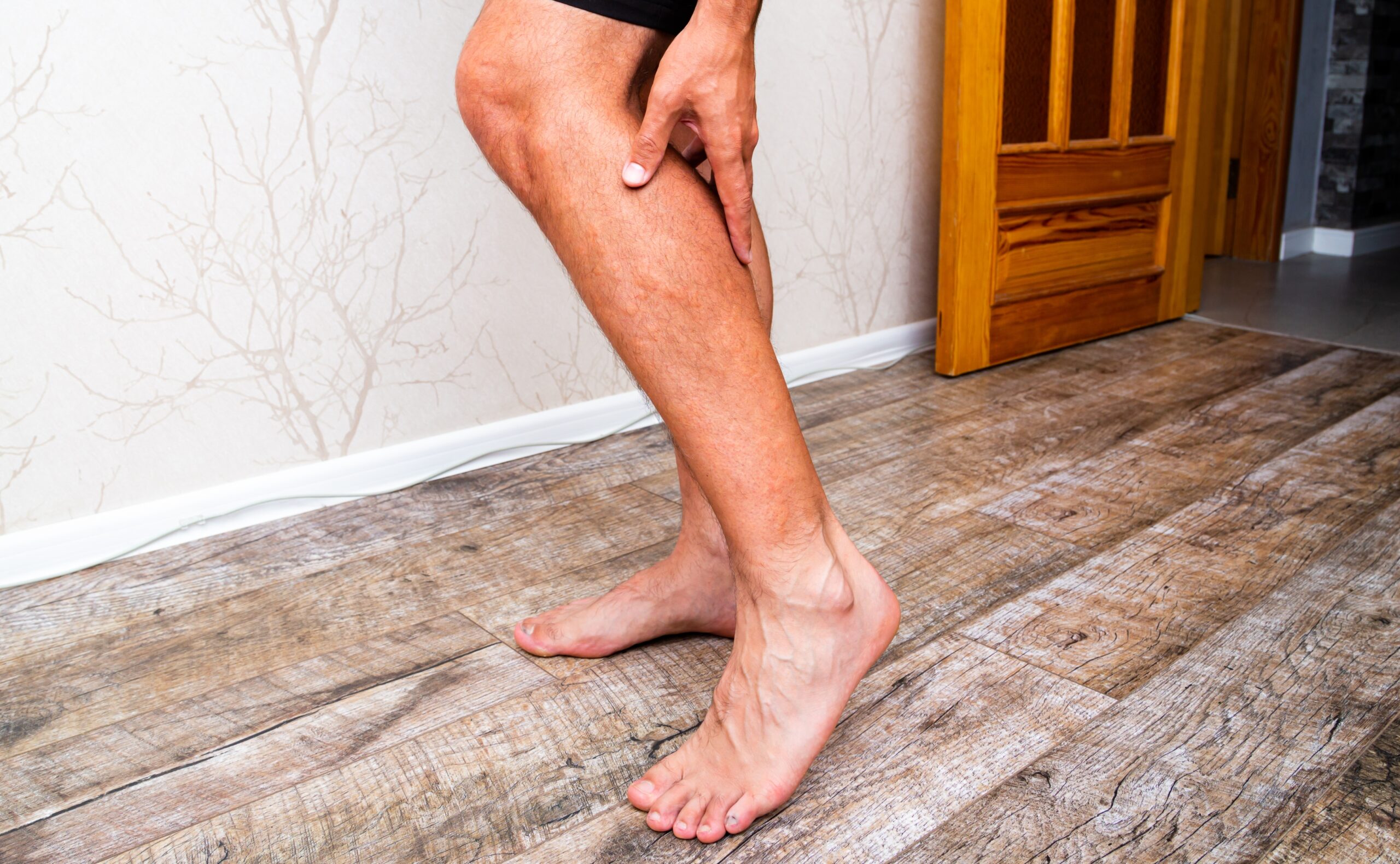

Of all the lifestyle choices that impact your health, smoking stands in a category of its own when it comes to vascular damage. While many people associate smoking with lung cancer or heart attacks, its devastating effect on the body’s entire circulatory system is often overlooked. If you are a smoker experiencing leg pain, you might be feeling the direct consequences of this habit. The link between smoking and Peripheral Arterial Disease (PAD) is not just a correlation; it is a direct and powerful cause-and-effect relationship. Smoking is the single most potent and preventable risk factor for developing this debilitating condition.
Peripheral Arterial Disease occurs when the arteries carrying blood to your legs and feet become narrowed or blocked by plaque, a process called atherosclerosis. This reduction in blood flow leads to symptoms ranging from leg pain when walking to non-healing wounds and, in severe cases, amputation. For smokers, the risk of developing PAD is two to six times higher than for non-smokers. Furthermore, smokers tend to develop PAD a decade earlier and experience more severe symptoms.
Understanding exactly how smoking wages war on your arteries is the first step toward taking control of your health. At Fox Vein and Vascular, we believe in empowering patients with knowledge. This guide will detail the chemical assault that smoking launches on your blood vessels, explain how it accelerates the progression of PAD, and outline why quitting is the most critical action you can take for your vascular health.
The Chemical Attack: What Happens When You Inhale
When you light a cigarette, you are not just inhaling tobacco and nicotine. You are breathing in a toxic cocktail of over 7,000 chemicals, including carbon monoxide, hydrogen cyanide, and heavy metals. Many of these chemicals are absorbed directly into your bloodstream, where they immediately begin to damage the delicate inner lining of your arteries, known as the endothelium.
A healthy endothelium is a smooth, Teflon-like surface that promotes seamless blood flow and prevents clots from forming. The chemicals in cigarette smoke inflict damage on this lining in several destructive ways.
1. Direct Endothelial Injury
Think of the endothelium as a finely tuned gatekeeper. It regulates the passage of substances in and out of the artery wall and releases chemicals that keep the vessel relaxed and open. Toxic substances from smoke, such as free radicals and oxidants, directly injure these endothelial cells. This injury creates a rough, inflamed surface, much like scraping sandpaper against a smooth piece of wood. This roughened surface becomes a magnet for cholesterol, fats, and calcium circulating in your blood, providing the perfect foothold for plaque to begin forming. This is the very first step in the development of atherosclerosis.
2. Promoting Inflammation
The damage caused by smoke triggers a constant state of inflammation in your arteries. Your body’s immune system sends white blood cells to the site of injury to try and repair the damage. However, in the presence of continuous smoking, this inflammatory response becomes chronic and counterproductive. The white blood cells themselves become part of the problem, burrowing into the artery wall and consuming cholesterol particles. These cholesterol-laden cells contribute to the growing plaque deposits, further narrowing the artery and hardening its walls—a condition known as arteriosclerosis.
3. Increasing “Bad” Cholesterol (LDL)
Smoking alters the cholesterol profile in your blood for the worse. It raises levels of low-density lipoprotein (LDL), often called “bad” cholesterol, and triglycerides (fats). More importantly, the oxidative stress from smoking chemically modifies the LDL particles, making them “stickier” and more likely to adhere to the damaged artery walls. At the same time, smoking lowers the levels of high-density lipoprotein (HDL), or “good” cholesterol, which is responsible for carrying cholesterol away from the arteries and back to the liver. This imbalance creates a perfect storm for rapid plaque buildup.
How Smoking Thickens Blood and Impedes Flow
The damage isn’t limited to the artery walls. Smoking also changes the very nature of your blood, making it thicker, stickier, and more prone to clotting. This significantly worsens poor blood flow in legs.
The Role of Nicotine
Nicotine is a powerful stimulant that has immediate and harmful effects on your cardiovascular system. Within seconds of inhaling, nicotine causes your adrenal glands to release adrenaline. This “fight or flight” hormone makes your heart beat faster and raises your blood pressure, forcing your heart to work harder to pump blood through already narrowed arteries. Nicotine also directly causes the arteries to constrict or tighten, further reducing the space available for blood to flow. For someone with existing PAD, this constriction can be the difference between mild discomfort and severe pain.
The Danger of Carbon Monoxide
Carbon monoxide, the same poisonous gas found in car exhaust, is a major component of cigarette smoke. When you inhale it, it binds to hemoglobin in your red blood cells far more effectively than oxygen does. This displaces oxygen, meaning that every red blood cell is carrying less of the vital oxygen your tissues need. Your body tries to compensate by producing more red blood cells, which thickens the blood (a condition called polycythemia).
This thicker, oxygen-depleted blood is much harder to pump through narrowed arteries. The result is that your leg muscles, already struggling with reduced blood supply from blocked leg arteries, are now receiving blood that is both thicker and less rich in oxygen. This is why smokers with PAD experience symptoms like claudication (leg pain when walking) much more severely and at shorter walking distances.
Increased Clotting Risk
Smoking makes the platelets in your blood “stickier” and more likely to clump together to form clots. A blood clot can form on the surface of an existing plaque and suddenly block an artery completely. A sudden blockage in a leg artery can lead to acute limb ischemia—a vascular emergency characterized by severe pain, coldness, and numbness in the limb. This requires immediate medical intervention to prevent gangrene and amputation.
The Devastating Impact on PAD Progression and Treatment
If you are a smoker, your journey with PAD will be markedly different—and more difficult—than a non-smoker’s. The continuous damage from smoking not only causes the disease but also accelerates its progression and undermines the effectiveness of treatments.
From Claudication to Critical Limb Ischemia
Smokers are far more likely to progress from experiencing leg pain when walking to developing Critical Limb Ischemia (CLI). CLI is the most severe form of PAD, characterized by ischemic rest pain (pain in the feet and toes even when not moving) and the development of non-healing wounds. Because smoking impairs healing and oxygen delivery, a smoker with a small foot ulcer or toe wound is at an extremely high risk of that wound progressing to gangrene. This is why amputation prevention efforts must start with smoking cessation.
Undermining Treatment Success
Even the most advanced Peripheral Arterial Disease treatment can be compromised by continued smoking.
- Worse Outcomes After Procedures: Smokers have significantly higher rates of failure after angioplasty, atherectomy, and stenting for PAD. The same inflammatory processes that caused the blockage in the first place will attack the newly opened vessel or stent, leading to rapid re-narrowing (restenosis).
- Higher Risk of Bypass Graft Failure: If a patient requires bypass surgery, continued smoking dramatically increases the likelihood that the new graft will fail and clot off.
- Impaired Wound Healing: For a leg ulcer or diabetic foot ulcer/wound to heal, it needs robust blood flow and oxygen. Smoking robs the tissue of both. Even after a successful procedure to restore blood flow, continued smoking can prevent a wound from closing, leaving the patient vulnerable to infection and amputation.
A Manhattan vascular surgeon can perform a technically perfect atherectomy procedure to clear a blockage, but if the patient walks out and lights a cigarette, they are actively working against the treatment.
The Benefits of Quitting: It’s Never Too Late
The news about smoking and PAD is grim, but there is a powerful message of hope: quitting smoking is the single most important step you can take to halt the progression of the disease and improve your health. The benefits begin almost immediately.
- Within 20 minutes: Your heart rate and blood pressure drop.
- Within 12 hours: The carbon monoxide level in your blood drops to normal, allowing more oxygen to reach your tissues.
- Within 2 weeks to 3 months: Your circulation improves, and your lung function increases. Walking becomes easier, and you may notice a significant improvement in your claudication.
- Within 1 year: Your risk of heart attack drops dramatically.
- Within 5 years: Your risk of stroke can fall to about the same as a non-smoker’s.
For patients with PAD, quitting smoking can slow the progression of the disease to a crawl. It increases the success rate of any minimally invasive vascular procedures Manhattan specialists perform and significantly lowers your risk of needing an amputation.
Comprehensive PAD Care for Smokers and Former Smokers
At Fox Vein and Vascular, we understand the powerful grip of nicotine addiction. Our approach is non-judgmental and supportive. Our goal is to treat your arterial disease while giving you the best chance for long-term success.
Accurate Diagnosis is Key
The first step is understanding the extent of the damage. As a leading PAD specialist practice, we utilize a full range of diagnostic tools in our accredited vascular lab Manhattan.
- Ankle-Brachial Index (ABI): This simple test provides a baseline measure of your leg circulation.
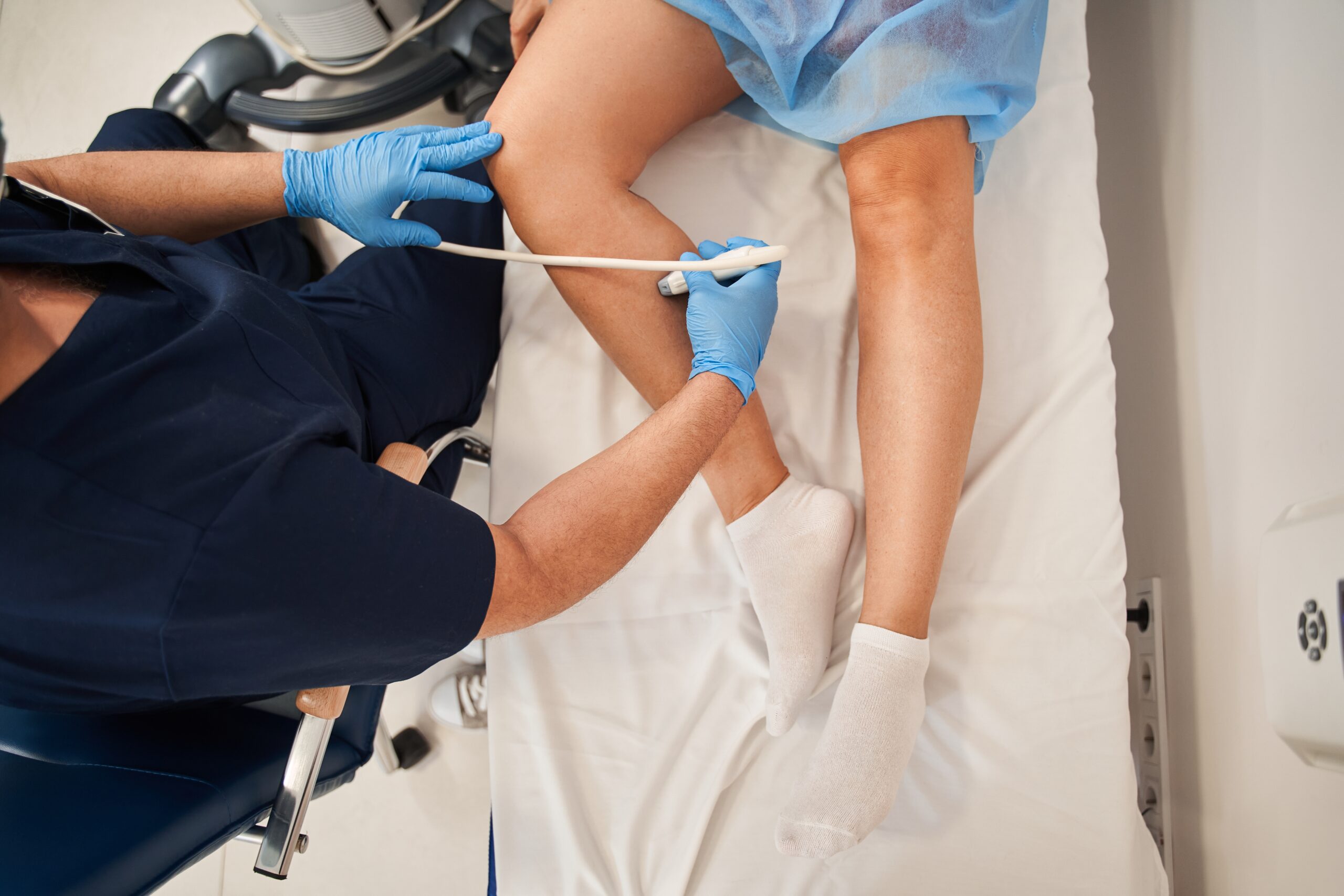
- Duplex Ultrasound: This non-invasive scan allows Dr. Fox to visualize the blockages and plan treatment without radiation. You can learn more about our advanced diagnostic options here.
Advanced, Minimally Invasive Treatments
When lifestyle changes are not enough, Dr. Fox vascular specialist offers a suite of advanced, minimally invasive treatments for PAD designed to restore blood flow and save limbs.
- Balloon Angioplasty: A tiny balloon is inflated inside the artery to compress the plaque.
- Atherectomy: A specialized device is used to shave or sand away the plaque, physically removing it from the artery.
- Stenting: A small metal scaffold is placed to keep the artery open.
These procedures are often performed in our comfortable outpatient setting, allowing you to return home the same day. We serve patients from the 5 Boroughs, Nassau, Suffolk, South Western Ct., and North East NJ.
It’s worth noting that the vascular expertise used to treat PAD is also being applied to other painful conditions. For example, Genicular Artery Embolization (GAE) is a new, minimally invasive treatment for knee osteoarthritis. This GAE knee pain treatment targets and blocks the small arteries that fuel inflammation in the knee joint, offering non-surgical knee pain relief. This showcases the innovative nature of modern vascular medicine.
Your Path Forward: A Life Beyond Smoking and Leg Pain
If you are a smoker, especially one over 50 or with other risk factors like diabetes, and you are experiencing any PAD symptoms—from mild leg pain to a non-healing wound—the time to act is now. Ignoring the symptoms will not make them go away; it will only allow the underlying arterial disease to worsen.
Quitting smoking is a journey, but it is one you do not have to take alone. Combining a dedicated smoking cessation program with expert vascular care gives you the best possible chance of reclaiming your health and mobility. The damage from smoking is severe, but the body’s capacity to heal is remarkable once the assault stops.
Let us help you take that first step. A comprehensive vascular evaluation can provide you with a clear picture of your circulatory health and a personalized roadmap for treatment. Don’t let smoking dictate the terms of your life and health any longer.
Schedule a consultation with Dr. Fox at Fox Vein and Vascular to assess your PAD risk and discuss treatment options.
Fox Vein and Vascular – Manhattan, NY
📞 (212) 362-3470
🌐 foxvein.com
📍 1041 Third Avenue, New York, NY 10065
You and Your Veins
Treatment for painful or embarrassing spider veins and varicose veins is now available without the need for invasive vein surgery. Fox Vein Care, a leading vein treatment center in Manhattan offers a range of minimally invasive, state-of-the-art alternatives to vein surgery, including Transdermal Laser Treatment and sclerotherapy, in the convenience of our Manhattan office.
Learn More