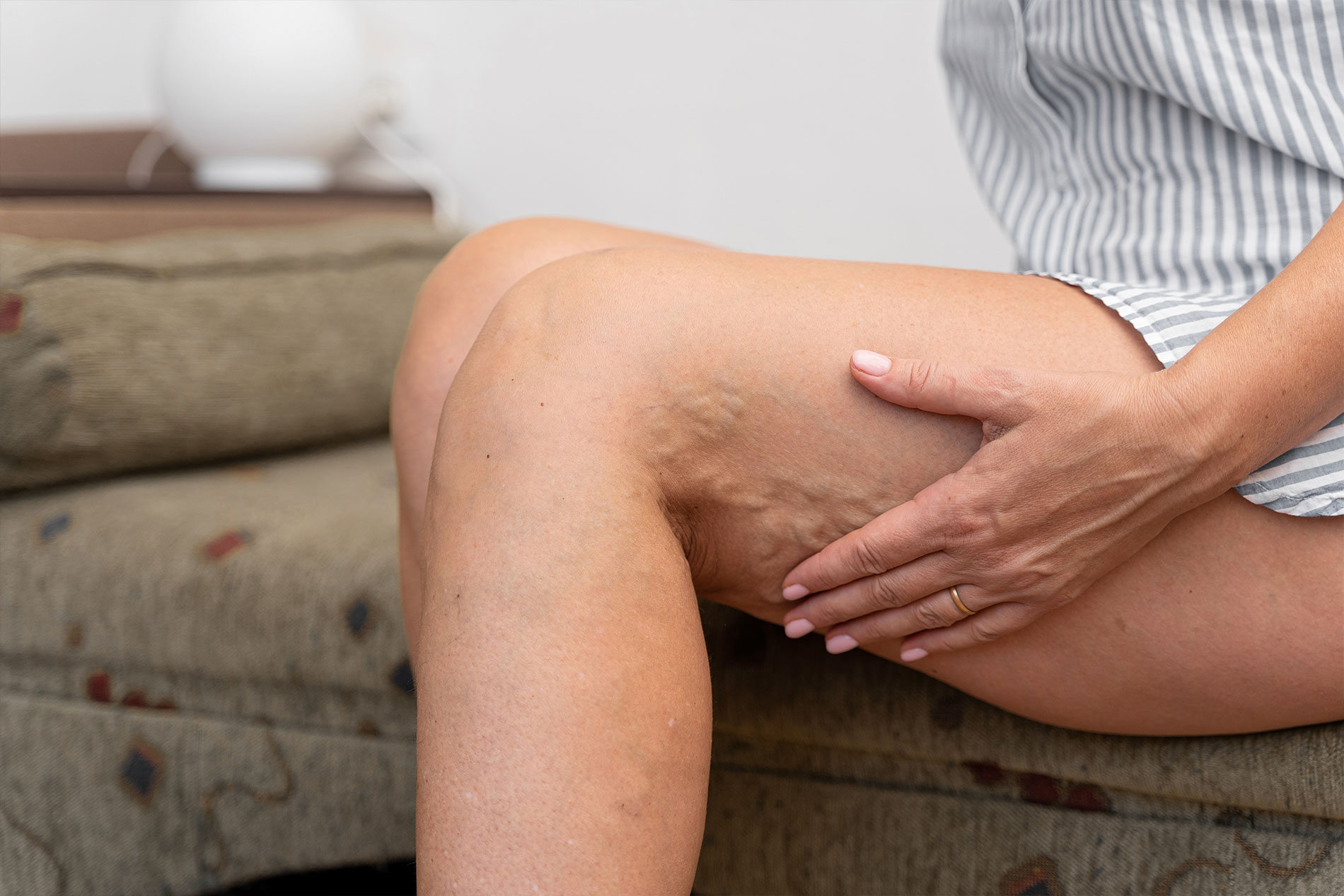

Inflammation is a word we hear constantly in the world of health and medicine. It is the body’s fire alarm, the redness around a cut, the swelling of a sprained ankle, and the heat of a fever. In these acute scenarios, inflammation is a hero—a necessary, life-saving response that fights infection and initiates healing. But when the fire alarm refuses to turn off, inflammation transforms from a protector into a destroyer. If you’re looking to understand more about inflammation and the latest treatments available, you can find valuable resources at foxvein.com.
This is exactly what happens in chronic conditions like knee osteoarthritis. The knee becomes locked in a state of persistent, low-grade inflammation that degrades cartilage, sensitizes nerves, and causes relentless pain.
For decades, the standard approach to treating this fire was to throw water on it: using ice packs, anti-inflammatory pills (NSAIDs), or cortisone injections to dampen the heat temporarily. While these methods offer relief, they often fail to provide a long-term solution because they ignore the fuel source keeping the fire alive.
That fuel source is blood flow.
At Fox Vein and Vascular in Manhattan, Dr. David Fox is applying a revolutionary understanding of vascular biology to treat chronic knee pain. By recognizing that chronic inflammation is fed by an abnormal oversupply of blood, we can now treat the pain by precisely reducing that flow. This is the science behind Genicular Artery Embolization (GAE), a procedure that calms the knee by cutting off the inflammatory supply lines.
This article will explore the intricate biological relationship between circulation and inflammation, explaining how “starving” the fire of its blood supply can lead to profound, lasting relief for patients who thought surgery was their only option.
The Inflammation-Circulation Connection
To understand how reducing blood flow helps, we must first understand why the body increases blood flow during inflammation in the first place. The two processes—inflammation and circulation—are inextricably linked. You cannot have one without the other. Learn more about the close relationship between blood flow and chronic knee pain at foxvein.com.
The Role of Blood in Acute Healing
When tissues are injured, they release chemical distress signals. These signals cause the nearby blood vessels to dilate (widen) and become more permeable (leaky). This allows a rush of blood to the area.
- Oxygen and Nutrients: The increased flow brings the raw materials needed for repair.
- Immune Cells: White blood cells ride the bloodstream to the injury site to fight bacteria and clean up debris.
- Fluid: Plasma leaks into the tissue, causing swelling that helps immobilize the injury and dilute toxins.
In a healthy response, once the threat is neutralized and healing begins, the blood vessels constrict back to their normal size, the swelling subsides, and the system resets.
The Failure of the “Off Switch” in Osteoarthritis
In osteoarthritis, this system malfunctions. The damage to the joint (cartilage wear) is ongoing, so the distress signals never stop. The synovium—the lining of the knee joint—remains in a state of chronic irritation (synovitis).
To support this constant state of high alert, the synovium demands more resources than the normal blood supply can provide. It becomes hypoxic (starved of oxygen). In a desperate attempt to survive, the inflamed tissue releases potent growth factors, such as Vascular Endothelial Growth Factor (VEGF).
VEGF triggers angiogenesis—the growth of new blood vessels. The genicular arteries, which normally supply the knee, sprout a chaotic network of tiny, abnormal new vessels that invade the knee lining. This condition is called hypervascularity.
Instead of a temporary surge of blood to heal a cut, the arthritic knee develops a permanent, excessive blood supply. This hypervascular network acts like a wide-open faucet, flooding the joint with inflammatory cells day and night. The blood flow that was meant to heal is now fueling the chronic disease.
The Mechanism: How Reducing Flow Calms the Joint
If the problem is an “open faucet” of inflammatory blood flow, then the solution is to turn the handle and reduce the flow. This is the core principle of Genicular Artery Embolization (GAE). By selectively blocking the abnormal vessels, we can reverse the inflammatory cascade.
Here is the step-by-step biology of how reducing blood flow leads to pain relief:
1. Stopping the Influx of Inflammatory Cells
The most direct effect of reducing blood flow is mechanical. The blood carries the “soldiers” of inflammation—macrophages, lymphocytes, and neutrophils. These cells release enzymes that break down cartilage and chemicals that irritate nerves.
In a hypervascular knee, millions of these cells are dumped into the joint lining every day. By embolizing (blocking) the specific arterial branches feeding the synovium, we physically stop this traffic. Without the constant arrival of new inflammatory cells, the existing inflammation naturally burns itself out. The synovium, no longer under attack, can begin to return to a thinner, healthier state.
2. Reducing Synovial Fluid Production
One of the most visible signs of knee inflammation is swelling, or “water on the knee.” This fluid is produced by the synovium. When blood flow is excessive, the pressure in the capillaries pushes more fluid into the joint space, leading to stiffness and a feeling of fullness.
By reducing the arterial pressure and flow through GAE, we decrease the filtration of fluid into the joint. The swelling subsides, the joint capsule becomes less distended, and the mechanical stiffness improves. This is why many patients report that their knee feels “lighter” and easier to bend in the weeks following the procedure.
3. Quieting the Nerves (Desensitization)
Pain is not just a sensation; it is a chemical reaction. The inflammatory soup inside an arthritic knee contains substances like bradykinin, prostaglandins, and cytokines. These chemicals bind to nerve endings, lowering their activation threshold. This means nerves that should only fire when you experience a major injury start firing when you simply stand up or roll over in bed.
Reducing blood flow cleans up this chemical environment. As the influx of inflammatory chemicals drops, the “soup” becomes less toxic. The nerve endings are no longer constantly bathed in irritants. Over time, they become less sensitive (desensitized), meaning it takes a much stronger stimulus to cause pain. This is crucial for eliminating the resting pain and night pain that plague so many OA sufferers.
4. Resolving Bone Edema
The benefits of reducing abnormal flow extend deeper than the soft tissue. The same vascular congestion that affects the lining can affect the bone marrow beneath the cartilage. This high pressure inside the bone leads to bone marrow lesions, or “bone bruises,” which are a significant source of deep, aching pain.
By pruning back the hypervascular supply, GAE can help normalize the pressure within the bone marrow. Resolving this intra-osseous hypertension addresses one of the most stubborn sources of OA pain that traditional injections cannot reach.
Why “Starving” the Knee is Safe
A common concern patients have when they hear about “reducing blood flow” is safety. Doesn’t the knee need blood to survive? Will this damage the healthy tissue?
The answer lies in the precision of the procedure. The knee has a massive redundancy of blood vessels—a safety net called collateral circulation. The main arteries that feed the bones, muscles, and skin of the leg are large, robust highways.
The vessels targeted in GAE are not these main highways. They are the tiny, abnormal “side roads” that have sprouted specifically in response to the inflammation. These new vessels are structurally different—they lack the muscular walls of healthy arteries and are disorganized.
During GAE, Dr. Fox uses advanced imaging to identify these specific pathological networks. The embolic particles are sized to lodge only in these tiny, abnormal capillaries. The healthy arteries are spared. Essentially, we are pruning the weeds while watering the flowers. The knee continues to receive all the blood it needs for metabolic health through the normal pathways, but the excessive, inflammatory flow is cut off.
Breaking the Cycle of Pain and Inactivity
The reduction of inflammation through flow restriction creates a positive feedback loop for the patient.
- Less Pain leads to More Movement: As the deep ache and sharp pains subside, patients are able to move more freely.
- Movement Lubricates the Joint: Physical activity naturally pumps healthy synovial fluid through the cartilage, providing nutrition and lubrication.
- Muscles Get Stronger: With reduced pain, patients can engage in strengthening exercises (or just daily walking) that build up the quadriceps and hamstrings, offloading stress from the joint.
- Weight Management: Increased activity helps with weight control, further reducing the mechanical load on the knee.
By intervening at the vascular level, GAE doesn’t just mask the pain; it stops the biological driver that was keeping the patient sedentary and suffering. It allows the body’s natural mechanics to work in favor of the joint rather than against it.
Evidence for the Vascular Approach
The concept of treating inflammation by reducing blood flow is supported by a growing body of clinical research. Studies from Japan, Europe, and the United States have consistently shown that GAE leads to significant improvements in pain and function scores (WOMAC scores) for patients with osteoarthritis.
Perhaps most compelling is the MRI evidence. Post-procedure MRIs often show a visible resolution of synovitis (the thickening of the lining is reduced) and a clearing of bone marrow edema. This imaging proof confirms that the reduction in blood flow is directly translating to a reduction in tissue pathology.
Is GAE Right for You?
If you have chronic knee pain that swells, aches at night, or feels warm to the touch, your pain is likely being driven by this cycle of hypervascularity and inflammation. If traditional anti-inflammatories or injections have stopped working, it may be because they are not strong enough to overcome the constant flood of inflammatory blood flow.
Addressing the vascular root of the problem offers a chance for durable relief without the trauma of joint replacement.
At Fox Vein and Vascular, Dr. David Fox specializes in diagnosing and treating these vascular contributors to knee pain. We invite you to learn more about this scientifically grounded approach to pain relief. Visit foxvein.com to explore our resources and patient stories.
Don’t let inflammation rule your life. By turning down the flow, you can turn down the pain.
Fox Vein and Vascular – Manhattan, NY
(212) 362-3470
foxvein.com
Leading Manhattan Vascular & Vein Specialist
At Fox Vein Care, we provide state-of-the-art vascular and venous treatments, combining advanced diagnostic technology with minimally invasive procedures that prioritize comfort, safety, and outstanding results.
Contact Us