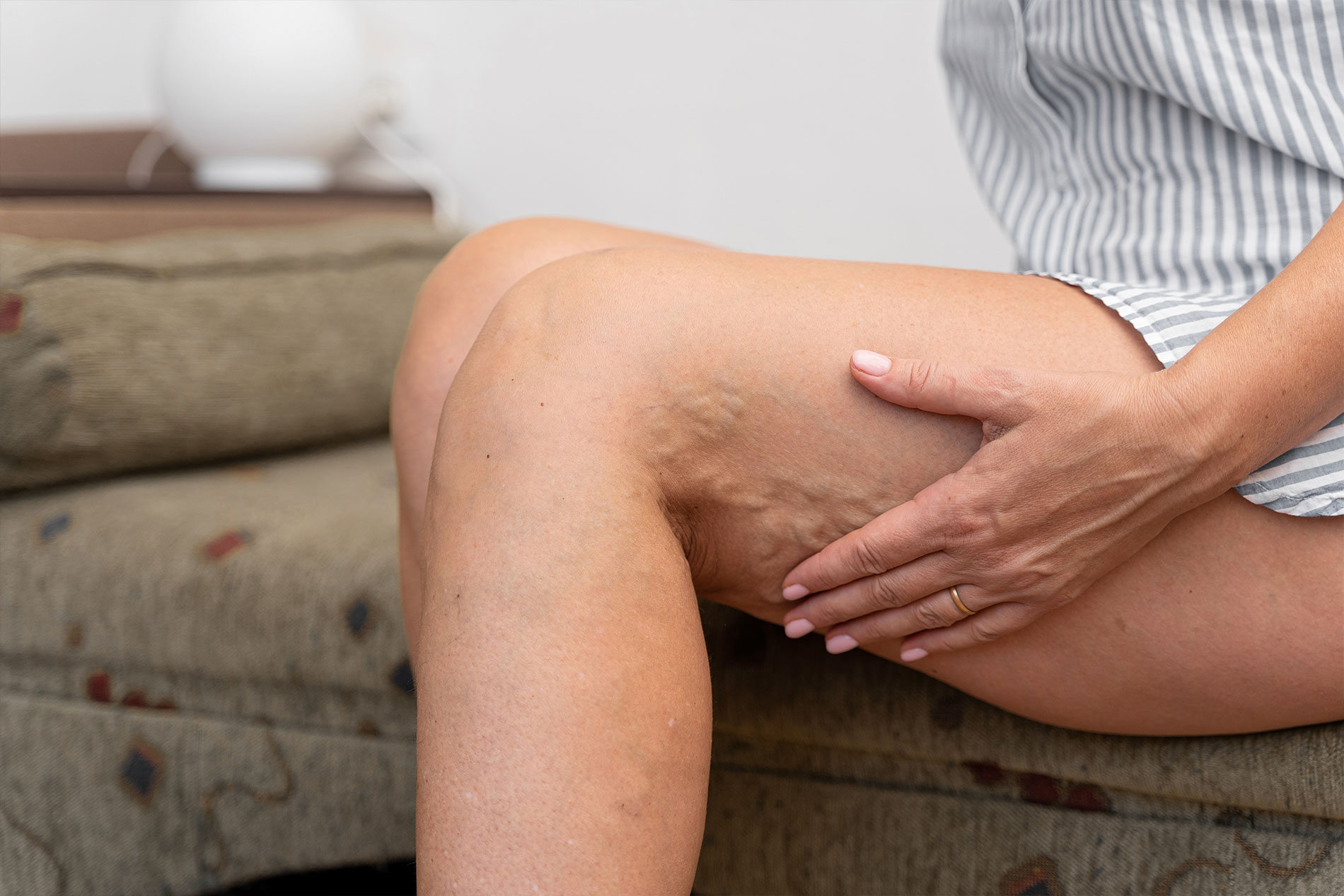

Peripheral Arterial Disease (PAD) is often called a “silent killer,” and for good reason. It affects more than 18 million Americans, yet millions remain undiagnosed. Many attribute the early symptoms—a slight cramp in the calf, a heaviness in the legs after walking, or just “slowing down”—to the natural aging process. However, ignoring these signs can lead to devastating consequences, including heart attack, stroke, and preventable limb loss.
At Fox Vein and Vascular, we believe that education is the first line of defense. Understanding the subtle signals your body is sending can make the difference between a simple, minimally invasive treatment and a life-altering amputation. Dr. David Fox, a board-certified vascular surgeon and PAD specialist, emphasizes that PAD is not just about leg pain; it is a systemic vascular condition that requires urgent attention.
In this comprehensive guide, we will explore the early warning signs of PAD that most people overlook, explain why prompt evaluation by a Manhattan vascular surgeon is critical, and discuss the state-of-the-art treatments available to restore circulation and save limbs.
What Is Peripheral Arterial Disease (PAD)?
To understand the symptoms, you must first understand the mechanism of the disease. Peripheral Arterial Disease (PAD) occurs when the arteries that supply oxygen-rich blood to your limbs—most commonly the legs—become narrowed or blocked. This blockage is usually caused by atherosclerosis (often used interchangeably with arteriosclerosis), a condition where plaque made of cholesterol, calcium, and fibrous tissue builds up along the arterial walls.
Imagine a garden hose that is partially pinched. The water still flows, but the pressure is lower, and less water reaches the end of the nozzle. In your body, when you are at rest, your muscles don’t need much oxygen, so you might not feel any symptoms. However, as soon as you start walking or exercising, your muscles demand more blood. If the arteries are narrowed, the supply cannot meet the demand. This creates a state of ischemia (lack of oxygen), resulting in pain, cramping, or fatigue.
The Systemic Link
It is crucial to realize that if you have plaque buildup in your legs, you likely have it elsewhere. PAD is a strong indicator of broader cardiovascular health issues. Patients with blocked leg arteries are at a significantly higher risk for heart attack and stroke. Therefore, PAD diagnosis is not just about saving your legs; it is about saving your life.
Who Is at Risk? Understanding the Factors
While PAD can happen to anyone, certain factors dramatically increase your risk. Dr. Fox vascular specialist teams often see patients who have unknowingly lived with risk factors for years.
The primary risk factors include:
- Smoking: This is the single most significant risk factor. Smokers are 2-6 times more likely to develop PAD than non-smokers.
- Diabetes: High blood sugar damages blood vessels over time. Diabetic foot ulcer/wound complications are a leading cause of amputation.
- Age: Risk increases significantly after age 60.
- High Blood Pressure & Cholesterol: These contribute to vessel damage and plaque formation.
- Ethnicity: There is a higher incidence among African American and Hispanic populations.
If you fall into these categories and experience any leg discomfort, you should seek a PAD screening Manhattan immediately.
The Early Warning Signs: What to Look For
PAD symptoms exist on a spectrum. While some patients have no symptoms initially, many experience subtle changes that they subconsciously accommodate by altering their lifestyle. Here are the warning signs you should never ignore.
1. Claudication: The “Grocery Store” Pain
Leg pain when walking (claudication) is the hallmark symptom of early to moderate PAD. Unlike the constant pain of arthritis, claudication is specific: it happens with activity and stops with rest.
You might notice a cramp in your calf, thigh, or buttock after walking a specific distance—say, two blocks. You stop to rest for a few minutes, the pain subsides, and you can walk again. This is your muscles crying out for oxygen. Many people mistakenly think they are just “out of shape,” but if the pain is consistent and reproducible, it is likely vascular.
2. Unexplained Leg Fatigue or Heaviness
Sometimes, the sensation isn’t sharp pain. It might manifest as a feeling of heaviness, weakness, or profound fatigue in the legs. If walking up a flight of stairs makes your legs feel like they are made of lead, this could be a sign of poor blood flow in legs. This symptom is often dismissed, but it is a key indicator that your arteries are struggling to deliver adequate blood flow.
3. A Slower Walking Pace
Have you noticed that you walk slower than you used to? Do you struggle to keep up with your spouse or friends during a stroll? Many patients subconsciously slow their pace to avoid triggering the pain or fatigue mentioned above. If you find yourself avoiding walks you used to enjoy, or parking closer to the store entrance to minimize walking, this behavioral change is a major red flag for leg circulation problems.
4. Changes in Temperature and Appearance
Healthy legs with good circulation should be warm and have a normal skin tone. With arterial disease, you might notice:
- Cold feet: One foot may feel significantly colder than the other.
- Shiny skin: The skin on your shins may become thin, brittle, and shiny.
- Hair loss: You may stop growing hair on your toes or legs due to a lack of nutrients from blood flow.
- Pale or Blue discoloration: When you elevate your legs, they may turn pale white. When you hang them down, they may turn a reddish-purple color (rubor).
5. Numbness and Weakness
Reduced blood flow damages nerves over time. You might experience numbness or a “pins and needles” sensation in your feet or toes. This is particularly dangerous because if you cannot feel your feet, you may not notice cuts or blisters, leading to a non-healing wound/ulcer of toe, leg, foot.
6. Erectile Dysfunction
In men, the arteries supplying the legs also supply the pelvic region. Difficulty achieving or maintaining an erection can be an early warning sign of blocked arteries in the iliac vessels, signaling vascular care NYC is needed.
When Leg Pain Isn’t PAD: Distinguishing from Arthritis
One reason PAD is ignored is that it mimics other conditions, particularly musculoskeletal issues. Patients often assume their leg pain is just “bad knees.” However, accurate diagnosis is vital because treatments differ wildly.
Dr. Fox is an expert in distinguishing vascular pain from orthopedic pain. For example, osteoarthritis pain is often worse upon standing or starting movement and may be continuous. PAD pain specifically starts after walking a certain distance and resolves with rest.
Interestingly, Fox Vein and Vascular also offers solutions for patients whose pain is related to osteoarthritis. For those suffering from knee osteoarthritis or recurrent knee pain, we offer Genicular Artery Embolization (GAE). This is a minimally invasive knee pain treatment that reduces inflammation in the knee by embolizing specific arteries.
If you are researching GAE knee pain treatment or Genicular artery embolization for osteoarthritis, it is worth getting a full vascular workup. Whether you need GAE procedure for arthritis or angioplasty for PAD, Dr. Fox provides comprehensive Manhattan vascular surgeon services to address the root cause of your mobility issues.
The Dangers of Ignoring Symptoms: Critical Limb Ischemia
If early signs are ignored, PAD progresses to a severe stage known as Critical Limb Ischemia (CLI). At this stage, the blood flow is so restricted that the tissue begins to die even when you are resting.
Symptoms of CLI include:
- Ischemic rest pain: Severe burning pain in the feet or toes that keeps you awake at night. Patients often dangle their feet off the bed to use gravity to help blood flow down.
- Leg ulcer / Foot ulcer: Open sores that do not heal after two weeks.
- Gangrene: Tissue death, where toes may turn black.
This is a medical emergency. Without aggressive revascularization, the risk of amputation is extremely high. Amputation prevention is the primary goal at Fox Vein and Vascular. If you have a diabetic foot ulcer/wound or neuropathic foot ulcer/wound, immediate care is essential.
How PAD Is Diagnosed at Fox Vein Care
We utilize a modern, vascular lab Manhattan facility to provide same-day diagnosis. We don’t just guess; we visualize the problem.
Ankle-Brachial Index (ABI)
This is the first-line screening test. We compare the blood pressure in your ankles to the blood pressure in your arms. A lower number in the ankle indicates a blockage between the heart and the leg.
Duplex Ultrasound
This non-invasive imaging test uses sound waves to visualize the blood moving through your arteries. It helps Dr. Fox locate exactly where the blockage is and how severe it is.
Advanced Imaging
In complex cases, we may use Angiography (using contrast dye) to create a roadmap of your arteries. This allows for precise planning of Peripheral Artery Disease treatment.
Learn more about our diagnostic vascular laboratory here.
Minimally Invasive Treatment Options: No Hospital Stay Required
The days of needing major open bypass surgery for every case of PAD are largely behind us. Dr. Fox knee pain treatment and vascular experts focus on PAD treatment without surgery whenever possible. We utilize endovascular techniques that are performed in an outpatient setting, meaning you go home the same day.
1. Angiography and Balloon Angioplasty
Angioplasty for PAD involves threading a thin catheter into the blocked artery. A small balloon at the tip is inflated to push the plaque against the artery wall, widening the channel and restoring blood flow.
2. Atherectomy Procedure
Think of this as “Roto-Rooter” for your arteries. Atherectomy procedure involves using a specialized catheter equipped with a tiny blade or laser to physically remove or vaporize the plaque from inside the vessel. This is particularly useful for calcified plaque that is difficult to compress with a balloon.
3. Stenting for PAD
In some cases, the artery needs structural support to stay open. A stent—a tiny metal mesh tube—is permanently placed inside the artery to act as a scaffold. This prevents the artery from collapsing again.
4. Limb Salvage Techniques
For patients with CLI or gangrene, Dr. Fox utilizes specialized limb salvage techniques. This involves targeting smaller arteries in the lower leg and foot to restore just enough flow to heal a toe ulcer or foot wound, preventing the need for major amputation.
Explore our minimally invasive treatments.
Prevention: Taking Control of Your Vascular Health
While genetic factors play a role, many causes of PAD are manageable. How to prevent peripheral artery disease largely comes down to lifestyle modification:
- Quit Smoking: This is the non-negotiable step for vascular health.
- Manage Diabetes: Keep your blood sugar within strict limits to protect your vessels.
- Exercise: A supervised walking program can actually help your body grow new small blood vessels (collateral circulation) around blockages.
- Diet: A heart-healthy diet reduces cholesterol and blood pressure.
Why Choose Fox Vein and Vascular?
When dealing with your circulation, experience matters. You need a PAD specialist who is adept at both diagnosis and the full spectrum of interventions.
- Board-Certified Expertise: Dr. Fox is a Fellow of the American College of Surgeons (FACS) and holds certification in vascular interpretation (RPVI).
- Minimally Invasive Focus: We prioritize treatments that get you back on your feet faster with less pain.
- Comprehensive Care: From spider veins to musculoskeletal embolization (MSK embolization) and complex limb salvage, we handle it all.
- Convenience: We serve the 5 Boroughs, Nassau, Suffolk, South Western Ct., and North East NJ from our convenient Manhattan location.
Conclusion: Don’t Wait Until It’s Too Late
Peripheral Arterial Disease is a progressive condition. The “mild” leg cramps you feel today can turn into the non-healing wounds of tomorrow. If you have noticed a change in your walking ability, leg pain, or foot temperature, do not ignore it. Early detection is the key to maintaining your mobility and your independence.
Whether you are seeking a second opinion on knee arthritis treatment options like GAE, or you need a PVD treatment strategy, Fox Vein and Vascular is here to help.
Take the first step toward better circulation today.
Schedule your consultation with Dr. Fox:
Fox Vein and Vascular – Manhattan, NY
📍 1041 Third Avenue, New York, NY 10065
📞 (212) 362-3470
🌐 foxvein.com
Note: This content is for informational purposes and does not constitute medical advice. Always consult with Dr. Fox for accurate diagnosis and treatment.
Leading Manhattan Vascular & Vein Specialist
At Fox Vein Care, we provide state-of-the-art vascular and venous treatments, combining advanced diagnostic technology with minimally invasive procedures that prioritize comfort, safety, and outstanding results.
Contact Us