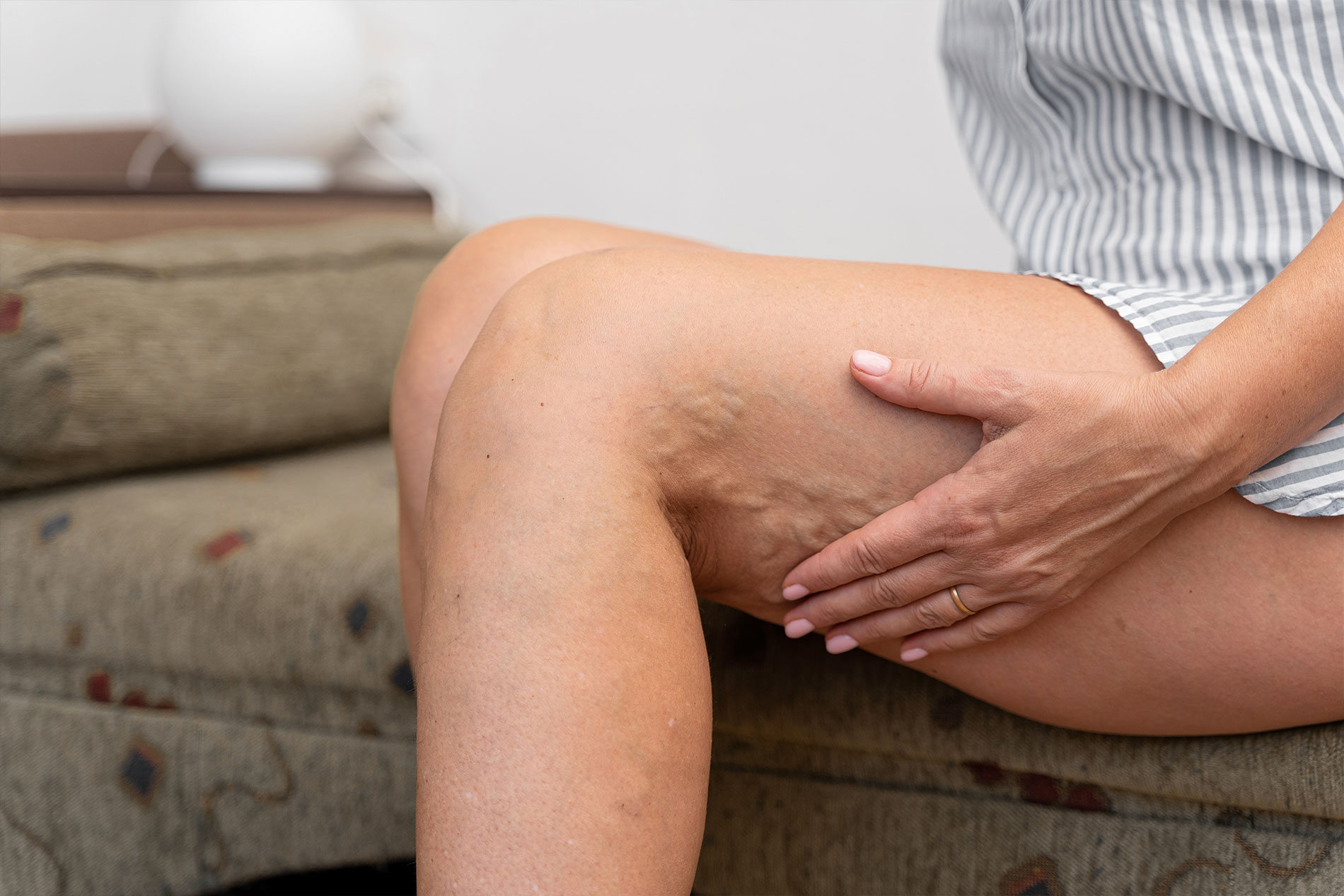

Living with Peripheral Artery Disease (PAD) often means navigating a daily landscape of leg pain, limited mobility, and nagging worry about the future. When lifestyle changes and medication are not enough to control your PAD symptoms, it can feel discouraging. However, modern medicine offers powerful, minimally invasive solutions designed to directly address the problem: the blocked leg arteries that cause poor blood flow in legs. Among the most effective and widely used of these is angioplasty.
Angioplasty is a revolutionary procedure that reopens narrowed or blocked arteries from the inside, restoring circulation without the need for major surgery. For countless patients, this minimally invasive treatment provides rapid relief from debilitating symptoms like claudication and ischemic rest pain, kickstarting the healing of stubborn leg ulcers and significantly lowering the risk of amputation. It is a cornerstone of modern Peripheral Artery Disease treatment.
If you or a loved one are struggling with PAD, understanding your treatment options is the first step toward reclaiming your life. This guide will provide a comprehensive overview of angioplasty for PAD, explaining how it works, what to expect during the procedure, its many benefits, and how it fits into a complete care plan.
What is Angioplasty and How Does It Work?
Angioplasty is a minimally invasive, catheter-based procedure designed to widen and reopen arteries that have become narrowed or blocked by plaque buildup (atherosclerosis). The goal is simple and direct: to re-establish a clear channel for blood to flow through, delivering vital oxygen and nutrients to the tissues in your legs and feet.
The procedure is elegant in its simplicity. It is often performed in an outpatient setting under local anesthesia and light sedation, meaning you are comfortable and relaxed but not fully asleep.
Here’s a breakdown of the process:
- Accessing the Artery: A vascular surgeon, or PAD specialist, makes a tiny puncture, usually in the femoral artery in your groin or sometimes in an artery in your wrist or foot. This entry point is no larger than the tip of a pencil.
- Guidewire Navigation: A thin, flexible tube called a sheath is inserted through the puncture. Through this sheath, a very fine wire, known as a guidewire, is carefully navigated through your arterial system using real-time X-ray imaging (fluoroscopy) as a guide. The specialist skillfully steers this wire across the site of the blockage.
- Balloon Inflation: Once the guidewire is in place, a balloon catheter—a long, thin tube with a tiny, deflated balloon at its tip—is threaded over the wire to the location of the blockage. The balloon is precisely positioned within the narrowed segment of the artery. It is then inflated with a saline solution. As the balloon expands, it presses the plaque firmly against the artery walls, compressing it and widening the vessel.
- Restoring Blood Flow: The balloon is then deflated and removed, leaving behind a wider, more open artery. Blood can now flow freely through the previously obstructed area, immediately improving circulation to the lower leg and foot.
The Role of Stents in Angioplasty
In many cases, angioplasty is performed in conjunction with stenting for PAD. A stent is a tiny, expandable metal mesh tube that acts as a scaffold to help keep the artery open long-term.
After the artery has been widened with the balloon, a stent mounted on a separate balloon catheter is delivered to the same spot. When the balloon is inflated, the stent expands and locks into place against the artery wall. The balloon is then deflated and removed, but the stent remains behind permanently, providing structural support to prevent the artery from re-narrowing (a condition called restenosis).
The decision to use a stent depends on several factors, including the location and length of the blockage, the characteristics of the plaque, and the artery’s response to the initial balloon angioplasty.
Angioplasty, with or without stenting, is best suited for treating distinct blockages (lesions) in the major arteries of the pelvis and legs, from the iliac arteries down to the small vessels below the knee. It is a frontline treatment for significant leg circulation problems.
The Life-Changing Benefits of Angioplasty
For suitable candidates, the benefits of undergoing an angioplasty for PAD can be dramatic and almost immediate. By tackling the root cause of PAD symptoms—the physical blockage—the procedure offers a range of significant advantages.
- Rapid and Significant Symptom Relief:
One of the most profound benefits is the rapid reduction in pain.
- Alleviating Claudication: Patients who could only walk a short distance before experiencing severe leg pain often find they can walk much farther and with significantly less discomfort. This allows for greater participation in daily activities and makes therapeutic walking programs more effective.
- Eliminating Ischemic Rest Pain: For those with severe PAD, the constant, gnawing pain in the feet and toes at night can be debilitating. By restoring blood flow, angioplasty can eliminate ischemic rest pain, allowing for restful sleep and a dramatic improvement in quality of life.
- Promoting Wound Healing:
Angioplasty is a critical component of the treatment for leg ulcers due to PAD. A non-healing wound on the foot or leg is a direct consequence of inadequate blood flow. Without a sufficient supply of oxygen and nutrients, the body simply cannot repair the damaged tissue. Angioplasty re-establishes this vital supply line, kickstarting the healing process and making other wound care therapies effective. - Amputation Prevention:
By treating severe blockages and promoting the healing of ulcers, angioplasty is a cornerstone of limb salvage and amputation prevention. It is a proactive intervention that can halt the progression of PAD before it leads to irreversible tissue death (gangrene), which often necessitates amputation. - Minimally Invasive with a Quick Recovery:
Unlike traditional open bypass surgery, which requires a large incision and a lengthy hospital stay, angioplasty is performed through a tiny puncture. This means:
- Less pain and scarring.
- Lower risk of infection and other complications.
- A much shorter recovery period. Most patients go home the same day and can resume normal activities within a few days.
- High Success Rate:
Angioplasty has a high technical success rate, meaning the procedure is successful in opening the blocked artery in the vast majority of cases. This leads to immediate hemodynamic improvement and symptom relief for most patients.
Your Angioplasty Journey: What to Expect
Understanding the process from start to finish can help alleviate anxiety and prepare you for a smooth experience. The journey can be broken down into three phases: before, during, and after the procedure.
Before the Procedure
Your journey begins with a thorough evaluation by a PAD specialist.
- Consultation and Diagnosis: Your specialist will review your medical history, discuss your PAD symptoms, and perform a physical exam. You will undergo diagnostic testing, such as an Ankle-Brachial Index (ABI) and a Duplex Ultrasound, to confirm your PAD diagnosis and map out your arterial blockages.
- Treatment Planning: Based on these results, your specialist will determine if you are a good candidate for angioplasty and discuss the potential risks and benefits with you. This is the time to ask any questions you have.
- Pre-Procedure Instructions: You will receive specific instructions to follow before your procedure. These may include fasting for several hours, making adjustments to your medications (especially blood thinners), and arranging for someone to drive you home.
During the Procedure
On the day of the procedure, you’ll be taken to a special procedure room, often called a catheterization lab (“cath lab”) or an interventional suite.
- Preparation: You will change into a gown, and an IV line will be placed in your arm to administer fluids and medication. The access site (usually your groin) will be cleaned and shaved.
- Anesthesia and Sedation: You will be given a local anesthetic to numb the access site completely. You will also receive medication through your IV to help you relax (conscious sedation). You will be awake enough to follow simple instructions but will feel drowsy and comfortable.
- The Procedure: The vascular specialist will perform the angioplasty and/or stenting as described earlier. You will not feel the catheters moving inside your arteries. You may feel a moment of pressure or a warm sensation when the balloon is inflated or when the contrast dye for the X-rays is injected, but you should not feel pain. The entire procedure typically takes one to three hours, depending on the complexity of the blockages.
After the Procedure
Recovery begins immediately after the balloon and catheters are removed.
- Closing the Puncture Site: The specialist will close the small puncture in the artery. This is often done by applying firm manual pressure for 10-20 minutes. In some cases, a special vascular closure device may be used to seal the artery from the inside.
- Recovery Room: You will be moved to a recovery area where you will need to lie flat for a few hours to ensure the artery access site heals properly. Nurses will monitor your vital signs, the circulation in your leg, and the puncture site.
- Going Home: Most patients are discharged the same day. Your specialist will provide detailed post-procedure instructions, including information about activity restrictions (e.g., no heavy lifting for a few days), caring for the puncture site, and your medication schedule.
- Follow-Up Care: A follow-up appointment is crucial. Your specialist will check your progress, assess the improvement in your circulation, and ensure you are recovering well. Long-term success depends on continued management of PAD risk factors, including taking prescribed medications, eating a healthy diet, and exercising regularly.
Common Questions and Concerns about Angioplasty
It’s natural to have questions when considering a medical procedure. Here are answers to some common concerns.
What are the risks?
While angioplasty is very safe, no procedure is entirely without risk. Potential complications are rare but can include bleeding or bruising at the puncture site, allergic reaction to the contrast dye, damage to the artery, blood clots, or kidney problems (especially in those with pre-existing kidney disease). A thorough discussion with your PAD specialist will help you understand the risks as they apply to your specific health profile.
How does angioplasty compare to an atherectomy procedure?
Atherectomy is another minimally invasive option that also uses a catheter to treat blocked arteries. However, instead of just compressing the plaque, an atherectomy procedure uses a tiny rotating blade, laser, or other device to physically remove the plaque from the artery wall. Atherectomy can be particularly useful for very hard, calcified plaque that might not respond well to a balloon. Often, the two procedures are used together. Your specialist will choose the best tool for your specific type of blockage.
Is angioplasty better than bypass surgery?
For many patients, minimally invasive options like angioplasty are preferred over open bypass surgery. Bypass surgery is a major operation that involves creating a detour around the blockage using a vein from another part of your body or a synthetic graft. While highly effective, it involves a large incision, general anesthesia, a hospital stay, and a much longer recovery time. Bypass surgery is typically reserved for patients with very long, extensive blockages or those for whom endovascular procedures have not been successful.
How long will the results last?
The durability of an angioplasty depends on many factors, including the location of the treated artery, the severity of the initial disease, and, most importantly, the patient’s adherence to a healthy lifestyle afterward. While restenosis (re-narrowing) can occur, many patients experience long-lasting relief. Stents, particularly drug-eluting stents (which are coated with medication to prevent cell growth), can improve long-term patency. The best way to ensure lasting results is to quit smoking, manage your blood pressure and diabetes, eat a healthy diet, and exercise regularly.
Is Angioplasty the Right Choice for You?
If you are battling the symptoms of Peripheral Artery Disease—from lifestyle-limiting leg pain to the fear of non-healing wounds—it is vital to know that you have powerful treatment options. Angioplasty and stenting represent a major advancement in vascular care, offering a safe, effective, and minimally invasive way to restore blood flow, relieve your symptoms, and protect your long-term health.
The first step is a comprehensive evaluation with a vascular expert who can accurately diagnose your condition and create a personalized treatment plan. A specialist can determine if you are a candidate for angioplasty or if another of the many available minimally invasive treatments for PAD is better suited to your needs.
Dr. David Fox and the experienced team at Fox Vein and Vascular are dedicated to providing state-of-the-art, compassionate care for patients with PAD in Manhattan, the 5 Boroughs, and the surrounding NY, NJ, and CT areas. We specialize in limb-saving endovascular procedures designed to improve your circulation and your quality of life.
For more information, visit foxvein.com or call (212) 362-3470.
Leading Manhattan Vascular & Vein Specialist
At Fox Vein Care, we provide state-of-the-art vascular and venous treatments, combining advanced diagnostic technology with minimally invasive procedures that prioritize comfort, safety, and outstanding results.
Contact Us