


When many people hear the term “vein clinic,” their minds often jump to cosmetic treatments. They picture procedures aimed at erasing a few unsightly spider veins to get legs ready for summer. While enhancing appearance is certainly one benefit of modern vein care, this perception overlooks the primary and most critical function of these specialized medical centers. Vein clinics are, first and foremost, healthcare facilities dedicated to diagnosing and treating a serious medical condition: chronic venous insufficiency.
The reality is that varicose veins and other vein-related problems are not just skin deep. They are often outward signs of an underlying circulatory issue that can cause significant pain, discomfort, and lead to severe health complications if left untreated. Believing that vein care is purely cosmetic is a dangerous misconception that stops many people from seeking the medical help they desperately need.
For those researching their options, it’s important to note that comprehensive centers such as Fox Vein Care’s Manhattan Vein Treatment clinic provide advanced care for a wide range of venous conditions—going well beyond cosmetic solutions to address underlying medical concerns. Fox Vein Care also offers an array of vein and vascular treatments using minimally invasive techniques for both men and women in all stages of life.
This article will pull back the curtain on the true purpose of a vein clinic. We will explore why vein disease is a legitimate medical concern, detail the serious health issues it can cause, and explain the profound medical benefits of seeking treatment. By understanding the medical science behind vein care, you will see why finding the best vein doctor near me is a crucial step for your long-term health, not just your appearance.
Beyond Appearances: Understanding Vein Disease as a Medical Condition
To understand why vein clinics are medical facilities, we must first understand the condition they treat: chronic venous insufficiency (CVI). This is a progressive disease of the circulatory system. Your veins are equipped with tiny, one-way valves that work against gravity to push blood from your legs back up to your heart. When these valves become weak, damaged, or “insufficient,” they fail to close properly.
This valve failure allows blood to flow backward and pool in the lower legs, a process called venous reflux. The pooling blood significantly increases the pressure inside the veins. This constant, elevated pressure, known as venous hypertension, is the root cause of nearly all vein-related symptoms and complications.
This is not a cosmetic problem; it is a fundamental breakdown in your body’s circulatory function. The visible signs, like bulging varicose veins and web-like spider veins, are simply the external manifestations of this internal issue. The increased pressure doesn’t just stretch the veins; it impacts the entire health of your lower legs.
To get a full picture of how veins function—and why these problems arise—it’s a good idea to review what conditions a vein specialist can treat and how comprehensive vascular care addresses both arterial and venous issues.
The Progressive Nature of Chronic Venous Insufficiency
CVI is a progressive condition, meaning it gets worse over time if not treated. The slow, steady increase in venous pressure leads to a cascade of symptoms that go far beyond aesthetics. The progression typically follows a predictable pattern, often categorized by medical professionals using the CEAP (Clinical, Etiological, Anatomical, and Pathophysiological) classification system.
- Initial Stages (C1-C2): This is where many people’s understanding of vein disease stops. It starts with the appearance of spider veins (telangiectasias) and progresses to larger, rope-like varicose veins. Even at this early stage, many individuals begin to experience medical symptoms.
- Intermediate Stages (C3): As the pressure continues to build, fluid begins to leak from the over-stressed veins into the surrounding tissues. This results in edema, or leg swelling. The swelling is often most noticeable in the ankles and feet and tends to worsen as the day goes on.
- Advanced Stages (C4-C5): With sustained high pressure, the damage extends to the skin and soft tissues. This stage is marked by significant skin changes, known as lipodermatosclerosis. The skin around the ankles may become discolored (turning reddish-brown), thick, leathery, and extremely itchy. This is a sign of severe circulatory impairment.
- Most Severe Stage (C6): In its most advanced form, CVI can lead to the formation of venous leg ulcers. Because the skin is so unhealthy and circulation is so poor, even a minor scratch or bump can fail to heal. It can break down and form an open, painful wound that is difficult to treat and prone to infection.
To see which vein and arterial conditions can be addressed with the latest techniques, explore Fox Vein Care’s range of conditions treated.
Viewing this progression makes it clear that vein disease is a serious medical journey, not a cosmetic detour. Delaying treatment allows the condition to advance, leading to more severe symptoms and a lower quality of life.
More Than Just Veins: The Medical Symptoms and Complications
The belief that vein clinics are only for cosmetic issues is quickly dispelled when you listen to what patients are actually experiencing. People seeking vein treatment near me are often driven by debilitating symptoms that affect their daily lives, work, and sleep.
Common Medical Symptoms of Venous Disease
While bulging veins are the most obvious sign, the medical symptoms can be far more disruptive:
- Chronic Pain and Aching: This is not a minor ache. It’s often described as a deep, throbbing pain or a constant, heavy sensation that makes the legs feel tired and leaden. The pain typically intensifies after long periods of standing or sitting.
- Leg Swelling (Edema): Persistent swelling can make it difficult to fit into shoes and can make the legs feel tight and uncomfortable. Elevating the legs may provide temporary relief, but the swelling will return once you are upright again.
- Night Cramps and Restless Legs: Many people with CVI suffer from painful muscle cramps in their calves, especially at night. They may also experience an uncontrollable urge to move their legs (Restless Legs Syndrome), which severely disrupts sleep.
- Itching and Burning: The skin over varicose veins can become intensely itchy or feel like it’s burning. This is often a sign of stasis dermatitis, where the skin is becoming inflamed due to poor circulation.
If these symptoms sound familiar, an in-depth consultation with a vein specialist may reveal the best course of action for treating both veins and related conditions like chronic leg pain and swelling.
These symptoms can make it difficult to perform at work, enjoy hobbies, or even get a good night’s rest. For many, finding a chronic vein condition specialist near me is about reclaiming their quality of life.
Serious Health Risks of Untreated Vein Disease
Ignoring the symptoms of CVI can lead to serious, and sometimes dangerous, medical complications. These risks underscore why vein clinics are essential healthcare providers.
- Venous Ulcers: As mentioned, these are painful, open sores that form on the legs, usually near the ankle. They are a direct result of the long-term tissue damage caused by venous hypertension. Venous ulcers can take months or even years to heal, require intensive wound care, and have a high risk of infection that can spread to the surrounding tissue (cellulitis) or even the bone.
- Superficial Thrombophlebitis (STP): This occurs when a blood clot forms in a varicose vein just below the skin’s surface. The area becomes red, hard, warm, and extremely painful to the touch. While these clots are not immediately life-threatening, they cause significant pain and inflammation. More importantly, they can sometimes be associated with or extend into the deep vein system.
- Deep Vein Thrombosis (DVT): This is a much more dangerous condition where a blood clot forms in one of the deep veins of the leg. Having varicose veins is a known risk factor for developing DVT. A DVT can cause significant leg pain and swelling. The greatest danger is that a piece of the clot can break off, travel through the bloodstream to the lungs, and cause a life-threatening pulmonary embolism (PE).
- Spontaneous Bleeding: The skin over a large varicose vein can become very thin and fragile. A minor injury, or sometimes even just bumping into furniture, can cause the vein to rupture and bleed profusely. This bleeding can be alarming and difficult to control without medical intervention.
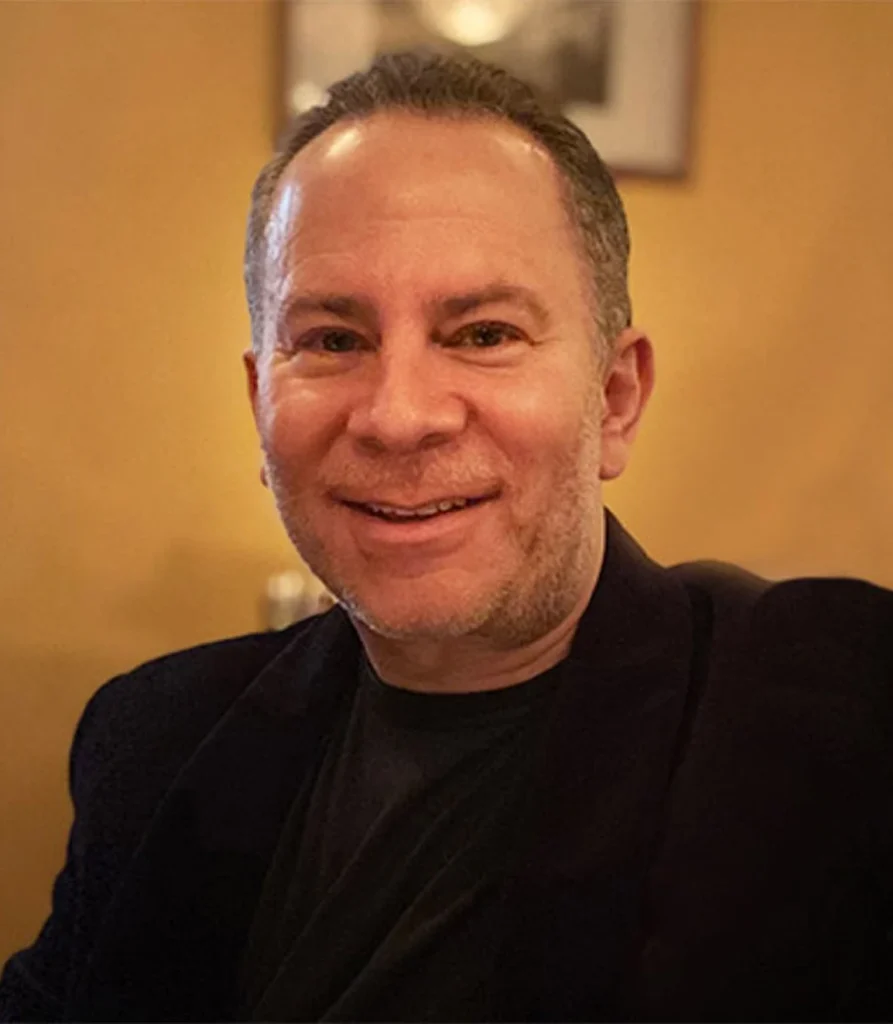
These are not cosmetic issues. They are serious medical events that require expert diagnosis and treatment from a qualified specialist, such as a board-certified vascular surgeon like Dr. David Fox, MD, FACS.
The Medical Mission of a Modern Vein Clinic
A reputable vein clinic operates as a specialized medical practice focused on restoring proper circulatory function and preventing the serious complications of CVI. While aesthetic improvement is a welcome side effect of treatment, the primary goals are medical.
Step 1: Accurate Medical Diagnosis
Your journey at a top-tier vein clinic, like Fox Vein and Vascular, begins with a comprehensive diagnostic process. This isn’t a quick cosmetic consultation. It’s a thorough medical evaluation that includes:
- A Detailed Medical History: The specialist will ask about your symptoms, when they started, what makes them worse, and your family history of vein disease.
- A Physical Examination: The doctor will visually and manually examine your legs to assess the extent of your varicose veins, check for swelling, and look for any skin changes.
- Duplex Ultrasound Imaging: This is the cornerstone of diagnosing CVI. This non-invasive, painless test uses sound waves to create a live map of your venous system. It allows the specialist to see the blood flow in real-time, pinpoint the exact location of the faulty valves, and measure the severity of the venous reflux. This is a crucial medical test that provides the objective data needed to create an effective treatment plan. It is not something offered at a cosmetic spa.
If you want to understand the range of diagnostic and advanced imaging available in Manhattan, review the specialized diagnostic vascular laboratory testing offered at Fox Vein Care.
Step 2: Medically-Driven Treatment Plans
Based on the ultrasound findings, the vein specialist develops a personalized treatment plan. The goal is to close or remove the diseased, non-functional veins that are causing the venous hypertension. Modern medicine has provided a suite of minimally invasive procedures that are highly effective and performed right in the clinic’s office.
- Endovenous Laser Therapy (EVLT): This is a gold-standard medical procedure for treating the large, underlying saphenous veins that are often the source of varicose veins. Using ultrasound for guidance, the doctor inserts a thin laser fiber into the diseased vein. The laser’s energy heats and seals the vein closed. This stops the backward flow of blood and eliminates the source of the high pressure. Blood is naturally rerouted to healthy, functional veins.
- Sclerotherapy: This is a medical treatment used for both smaller varicose veins and spider veins. The procedure involves injecting a sclerosant—a medical solution—into the vein. The solution irritates the vein wall, causing it to collapse and seal shut. The body then gradually absorbs the treated vein. When used for larger veins, it is often guided by ultrasound to ensure precision.
- Ambulatory Phlebectomy: This is a minor surgical procedure used to physically remove large, bulging surface veins that are close to the skin. The specialist makes tiny, micro-incisions and removes the vein segments. This provides immediate relief from the bulging and prevents potential complications like bleeding or phlebitis in that segment.
To dive deeper into specific procedures and what to expect as a patient, review the complete list of vein treatments offered in Manhattan.
These procedures are not cosmetic “cover-ups.” They are medical interventions designed to correct a physiological problem. By closing the faulty veins, they normalize the pressure in the lower leg, which in turn alleviates pain, reduces swelling, and allows the body to begin healing the damaged skin and tissues.
The Verdict: Vein Clinics Are Essential Healthcare Providers
The idea that vein clinics are only for cosmetic issues is a harmful myth. The truth is that facilities led by experienced specialists are crucial medical centers that diagnose and treat a progressive disease. The pain, swelling, and discomfort caused by chronic venous insufficiency are real medical symptoms, and the risks of complications like ulcers and blood clots are serious health threats.
Choosing to seek treatment at a Manhattan vein clinic is a proactive decision for your health. The medical benefits are profound:
- Alleviation of Painful Symptoms: Treatment directly addresses the underlying cause of the pain, heaviness, cramping, and swelling, leading to a significant improvement in your daily comfort and quality of life.
- Prevention of Serious Complications: By correcting the venous reflux, treatment halts the progression of the disease and dramatically reduces your risk of developing venous ulcers, skin damage, and blood clots.
- Improved Mobility and Activity: With a reduction in pain and swelling, you can become more active, which further improves your overall circulatory health.
- Healing of Existing Damage: For patients with skin discoloration or ulcers, treating the underlying CVI is the most critical step in allowing the skin to heal.
If you want to read patient perspectives or learn what to expect in your care journey, check out real experiences and testimonials on the Fox Vein Care homepage.
Of course, a wonderful result of medically necessary vein treatment is that your legs will also look better. But this cosmetic improvement is a secondary benefit—a bonus that comes from restoring your legs to a healthier state.
If you are experiencing any symptoms of vein disease—from visible varicose veins to leg pain or swelling—it’s time to look past the cosmetic myth and seek a medical evaluation. Find the best vein doctor near me who can provide an accurate diagnosis and a personalized treatment plan. A consultation with a dedicated chronic vein condition specialist is the first step toward healthier legs and a more comfortable, active life.
You and Your Veins
Treatment for painful or embarrassing spider veins and varicose veins is now available without the need for invasive vein surgery. Fox Vein Care, a leading vein treatment center in Manhattan offers a range of minimally invasive, state-of-the-art alternatives to vein surgery, including Transdermal Laser Treatment and sclerotherapy, in the convenience of our Manhattan office.
Learn More

