


When you look down at your legs and see twisting, blue cords beneath your skin, it’s easy to think of them as merely a cosmetic annoyance. You might assume that varicose veins are just an inevitable sign of aging or a bit of bad luck with genetics. While those factors play a role, the visible bulge is actually just the tip of the iceberg. The real problem lies deeper, hidden from view, in a mechanical failure of your circulatory system known as venous reflux.
Venous reflux—often referred to as chronic venous insufficiency—is the root cause of most vein problems. It is the engine driving the development of bulging veins, spider veins, and the heavy, aching sensation that ruins your day. Without understanding this underlying condition, treating the surface veins is like painting over a crack in a wall without fixing the foundation; the problem will simply return.
At Fox Vein and Vascular, a leading Manhattan vein clinic, we believe that patient education is the first step toward healing. Understanding the mechanics of your own body empowers you to seek the right care. In this detailed guide, we will break down exactly what venous reflux is, how it wreaks havoc on your legs, and why seeing a vein specialist near me is the best decision you can make for your long-term health.
The Circulatory System: A Quick Biology Refresher
To understand what goes wrong in venous reflux, you first need to understand how things are supposed to work when they go right. Your circulatory system is a loop consisting of two main types of vessels: arteries and veins.
Arteries are the high-pressure delivery trucks. Pumped by the heart, they carry oxygen-rich blood out to every tissue in your body, from your brain down to your toes. Gravity actually helps arteries get blood to your lower extremities.
Veins have a much harder job. They are the return vessels. Once your body uses the oxygen, the blood must travel back up to the heart and lungs to be re-oxygenated. For the veins in your legs, this means fighting gravity. They have to push blood upward, sometimes against significant hydrostatic pressure.
The Role of Venous Valves
So, how does blood climb uphill? It relies on two main mechanisms:
- The Calf Muscle Pump: When you walk or flex your ankles, your calf muscles contract. This squeezes the deep veins in your legs, physically pumping the blood upward.
- One-Way Valves: Inside your veins are tiny, delicate flaps of tissue called valves. These valves open to let blood flow up toward the heart and snap shut to prevent it from flowing back down toward the feet.
In a healthy leg, this system works perfectly. You walk, the muscle pumps, the blood goes up, the valve closes, and the blood stays there until the next pump.
What Is Venous Reflux?
Venous reflux occurs when those tiny one-way valves fail.
Over time, due to genetics, age, pregnancy, or prolonged standing, the walls of the veins can stretch. When the vein widens, the valve leaflets can no longer touch each other to form a tight seal. Alternatively, the valves themselves can become damaged or weak.
When the seal is broken, gravity takes over. Instead of flowing up toward the heart, a portion of the blood leaks backward (refluxes) and flows down toward the feet.
The Domino Effect of Reflux
This backward flow creates a vicious cycle:
- Pooling: Blood collects in the lower veins, a condition called stasis.
- Increased Pressure: As blood pools, the pressure inside the vein increases (venous hypertension).
- Distention: The high pressure forces the vein walls to stretch even further.
- More Failure: The stretching causes more valves further down the leg to fail, worsening the reflux.
This chronic backup of blood is what medical professionals call Chronic Venous Insufficiency (CVI). It is the invisible driver behind almost all vein symptoms in legs.
How Reflux Causes Varicose Veins
Now that we understand the mechanism, let’s look at the visible result: varicose veins.
Think of a balloon. If you keep blowing air into it, it expands. If you overfill it, the walls become thin and distorted. Your veins are similar. They are designed to handle a certain amount of volume and pressure. When venous reflux causes blood to pool continuously, the volume in the leg veins skyrockets.
The superficial veins (the ones closer to the skin) are not supported by muscle like the deep veins are. Under the immense pressure of refluxing blood, these superficial veins have nowhere to go but out. They twist, elongate, and bulge against the skin surface to accommodate the excess blood. This is the birth of a varicose vein.
For a more in-depth overview on varicose veins, their symptoms, and advanced treatments specifically available in Manhattan, visit this comprehensive guide on varicose vein treatment.
Is it Just Cosmetic?
Many patients ask our varicose vein doctor Manhattan team if they can just ignore the problem. The answer is usually no. While the varicose vein itself might look like a cosmetic issue, the high pressure causing it is damaging the tissues in your leg.
If you are noticing spider veins appearing in clusters around your ankles or knees, this is often the first sign that reflux is present in the deeper feeder veins. Treating the spider veins without checking for reflux is often a waste of time and money, as the back-pressure will simply cause new ones to form.
Recognizing the Symptoms of Venous Reflux
Venous reflux is a deceptive condition. You can have significant reflux without having massive bulging veins. Conversely, you can have large veins that don’t hurt much initially. However, most patients will experience a progression of symptoms.
If you are searching for a chronic vein condition specialist near me, you likely recognize some of these warning signs:
1. Heaviness and Fatigue
This is the most common complaint. Patients describe their legs feeling like lead weights, especially by the end of the day. This is caused by the physical weight of the excess blood pooling in the tissue.
2. Leg Swelling and Veins (Edema)
When the pressure in the veins gets high enough, fluid starts to leak out of the vein walls and into the surrounding tissue. You might notice that your shoes feel tight in the evening or that your ankles look puffy. When you press on the skin, it might leave an indentation (pitting edema).
3. Vein Pain and Cramping
Vein pain can manifest as a dull ache, a throbbing sensation, or a burning feeling. Night cramps (Charley horses) are also very common. This happens because the stagnant blood allows metabolic waste products to accumulate in the muscles, triggering spasms.
4. Skin Changes
As the condition advances, the high pressure causes inflammation. You may develop:
- Stasis Dermatitis: Red, itchy, scaly skin, often misdiagnosed as eczema.
- Hyperpigmentation: Brownish discoloration around the ankles (hemosiderin staining) caused by red blood cells leaking into the skin and breaking down.
- Venous Ulcers: Open sores that struggle to heal because the skin is starved of oxygen and nutrients.
5. Restless Legs
Many patients report an uncontrollable urge to move their legs when trying to rest. This “creepy-crawly” sensation is frequently linked to venous insufficiency.
Diagnosing Venous Reflux: The Importance of Ultrasound
You cannot diagnose venous reflux just by looking at the leg. A doctor might see a varicose vein, but they can’t see the valve failure happening inside it. This is why finding the best vein doctor near me—specifically a vascular specialist—is crucial.
At Fox Vein and Vascular, we use state-of-the-art Duplex Ultrasound technology to diagnose venous reflux. This non-invasive test allows us to “see” inside your leg in two ways:
- Imaging: We can visualize the anatomy of the veins.
- Doppler: We can measure the direction and speed of blood flow.
During the exam, the technologist will squeeze your calf to push blood up, then let go. In a healthy vein, flow stops immediately as the valve closes. In a vein with reflux, we will see and hear the blood rushing backward. This confirms the diagnosis and maps out exactly which veins need treatment.
Risk Factors: Why Did This Happen to Me?
“Why me?” is a question we hear often at our Manhattan vein clinic. Venous reflux is caused by a combination of factors, some controllable, others not.
- Genetics: This is the biggest factor. If your parents had varicose veins, your risk increases significantly. Weak vein walls are often an inherited trait.
- Age: As we age, the elasticity of our vein walls decreases, and valves naturally wear out.
- Gender: Women are more likely to develop vein issues than men, largely due to hormonal fluctuations. Progesterone can cause vein walls to relax, making valves more prone to failure.
- Pregnancy: This is a “triple threat” for veins. You have increased blood volume, high levels of progesterone, and a growing uterus putting pressure on the pelvic veins. This is why many women first notice veins during or after pregnancy.
- Prolonged Standing or Sitting: Jobs that require you to be on your feet (teachers, nurses, chefs) or sit at a desk for hours (office workers, drivers) reduce the effectiveness of the calf muscle pump, allowing blood to pool.
- Obesity: Excess weight puts added pressure on the leg veins and can accelerate valve damage.
Treatment Options: Fixing the Reflux
The good news is that we no longer need to perform invasive surgeries to fix venous reflux. In the past, “vein stripping” was the only option—a painful surgery requiring general anesthesia and long recovery times.
Today, as a premier vein specialist Manhattan practice, we use minimally invasive techniques that seal the bad veins shut from the inside. When we close the diseased vein, the body automatically reroutes the blood flow to the healthy deep veins, which are more than capable of handling the load.
Endovenous Laser Ablation (EVLA)
This is the gold standard for treating the saphenous veins (the main superficial veins where reflux often starts).
- The Procedure: Under local anesthesia, a thin laser fiber is inserted into the vein through a pinhole puncture. The laser energy heats the vein wall, causing it to collapse and seal shut.
- The Recovery: Patients walk out of the office immediately and resume normal activities (excluding heavy lifting) the next day.
- The Result: The reflux is stopped at the source. The pressure drops, and the visible bulging veins often shrink or disappear.
Learn more about this technology on our Manhattan Vein Treatment page.
Ultrasound-Guided Sclerotherapy
For tortuous veins that a laser fiber can’t navigate, or for treating reflux in tributary veins, we use foam sclerotherapy.
- The Procedure: A foam medication is injected into the vein under ultrasound guidance. The foam displaces the blood and irritates the vein lining, causing it to close.
- The Result: The body absorbs the closed vein over time.
Ambulatory Phlebectomy
Sometimes, the varicose veins are so large and stretched that they need to be physically removed for the best cosmetic result.
- The Procedure: Tiny micro-incisions are made over the vein. The vein is gently teased out and removed.
- The Recovery: No stitches are needed, and scarring is virtually non-existent.
VenaSeal™
This is a newer, non-thermal option where a medical adhesive (essentially a super-glue for veins) is used to seal the vein shut. It requires fewer needle sticks for anesthesia and has a very comfortable recovery.
Why Specialized Care Matters
It is important to understand that treating the surface veins without fixing the underlying reflux is a recipe for failure. If a doctor simply injects your visible spider veins without checking for reflux with an ultrasound, the high pressure in the system will likely blow those veins open again or cause new ones to form immediately.
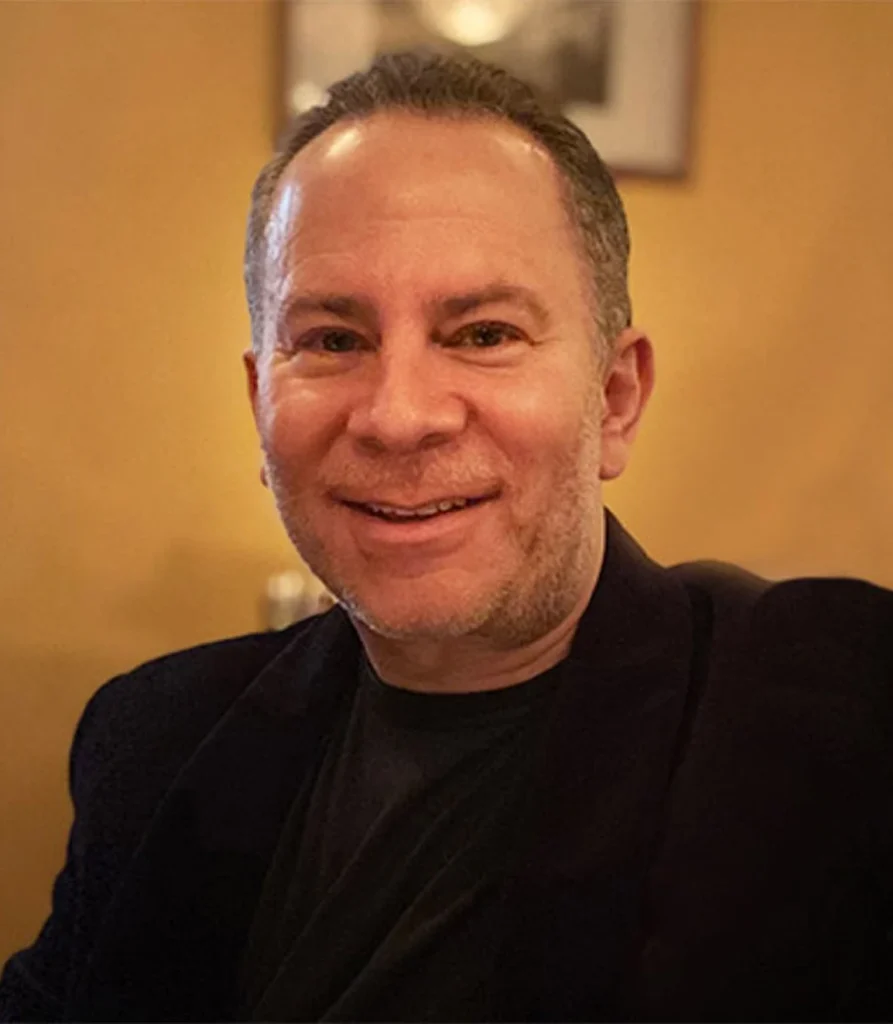
This is why you need a Vein specialist near me who understands the hemodynamics of the entire leg. Dr. David Fox, a board-certified vascular surgeon, approaches every case with a comprehensive view. He doesn’t just treat the “spots”; he treats the disease.
Dr. Fox’s expertise extends beyond just veins. At Fox Vein and Vascular, we also diagnose and treat arterial conditions and other sources of leg pain, such as chronic knee pain. This holistic approach ensures that you get the correct diagnosis. For example, if your leg pain is actually coming from your knee joint and not your veins, we can offer treatments like Genicular Artery Embolization (GAE).
Visit our About Page to learn more about Dr. Fox’s qualifications and why a vascular surgeon is your best choice for vein care.
Prevention and Management
While you cannot change your genetics, you can take steps to manage venous reflux and prevent it from worsening.
Compression Therapy
Wearing medical-grade compression stockings helps squeeze the veins, reducing the diameter and helping the valve leaflets touch. This improves flow and reduces swelling. While stockings won’t cure reflux, they are excellent for symptom management.
Exercise
Activities that engage the calf muscle are vital. Walking, running, cycling, and swimming all help pump blood out of the legs.
Elevation
At the end of the day, elevate your legs above the level of your heart. Gravity is the enemy during the day, but it can be your friend at night if you position yourself correctly.
Weight Management
maintaining a healthy weight reduces the intra-abdominal pressure that fights against venous return.
When to See a Doctor
You should seek vein care treatment Manhattan if:
- Your veins are warm to the touch, red, or very tender.
- You have sores or rashes on your legs near the ankle.
- The appearance of your legs is affecting your confidence.
- Pain or heaviness is interfering with your daily activities or sleep.
- You experience sudden swelling in one leg (this could be a sign of DVT, a medical emergency).
Don’t wait until you have an ulcer to seek help. Early treatment is easier, less invasive, and more effective.
Insurance Coverage
A common misconception is that vein treatment is purely cosmetic. However, if you have diagnosed venous reflux and symptoms like vein pain or swelling, most insurance companies consider treatment medically necessary.
At Fox Vein and Vascular, we accept most major insurance plans and will handle the authorization process for you. We believe that financial stress shouldn’t stand in the way of your health.
Conclusion
Venous reflux is more than just a medical term; it is a progressive condition that affects millions of people. It turns the simple act of standing into a painful ordeal and transforms the appearance of your legs in ways that can erode your self-esteem.
But it doesn’t have to be permanent.
By understanding the mechanics of venous reflux, you can see why creams and supplements don’t work—and why targeted medical intervention does. Whether you have massive varicose veins or just the beginning signs of spider veins, there is a solution tailored to your needs.
If you are in New York and looking for a Varicose vein doctor Manhattan trusts, look no further than Fox Vein and Vascular. We combine cutting-edge technology with compassionate care to get you back on your feet—pain-free.
Take the Next Step
Don’t let venous reflux dictate your life. Schedule your consultation today and find out how easy it is to restore your vein health.
- Call Us: (212) 362-3470
- Visit Us: 1041 Third Avenue, New York, NY 10065
- Book Online: Visit our Contact Page
We are proud to be the vein specialist Manhattan chooses for results that last.
Frequently Asked Questions About Venous Reflux
Can venous reflux be cured?
“Cured” is a tricky word. We can permanently close the specific veins that are failing, which stops the reflux in those areas and eliminates symptoms. However, because vein disease is often genetic, you may be prone to developing new issues in other veins later in life. Long-term follow-up with a vein specialist near me is recommended.
Is venous reflux dangerous?
If left untreated, it can lead to serious complications. Aside from chronic pain and swelling, stagnant blood increases the risk of superficial blood clots (phlebitis) and Deep Vein Thrombosis (DVT). It can also lead to permanent skin damage and ulcers.
Does walking help venous reflux?
Yes! Walking activates the calf muscle pump, which helps push blood out of the legs and reduces pooling. However, walking alone cannot repair a broken valve.
How do I know if my leg pain is muscle or vein related?
Muscle pain usually improves with rest and time. Vein pain typically gets worse the longer you stand or sit and improves when you elevate your legs. If your legs feel better in the morning and worse at night, it is likely vein-related.
What happens to the blood flow when you close a vein?
This is the most common worry patients have. The truth is, the vein we are closing is already not working—it’s letting blood flow backward! When we close it, the blood is diverted to the deep venous system, which handles about 90% of the blood volume anyway. Circulation actually improves because we have eliminated the leak.
You and Your Veins
Treatment for painful or embarrassing spider veins and varicose veins is now available without the need for invasive vein surgery. Fox Vein Care, a leading vein treatment center in Manhattan offers a range of minimally invasive, state-of-the-art alternatives to vein surgery, including Transdermal Laser Treatment and sclerotherapy, in the convenience of our Manhattan office.
Learn More

