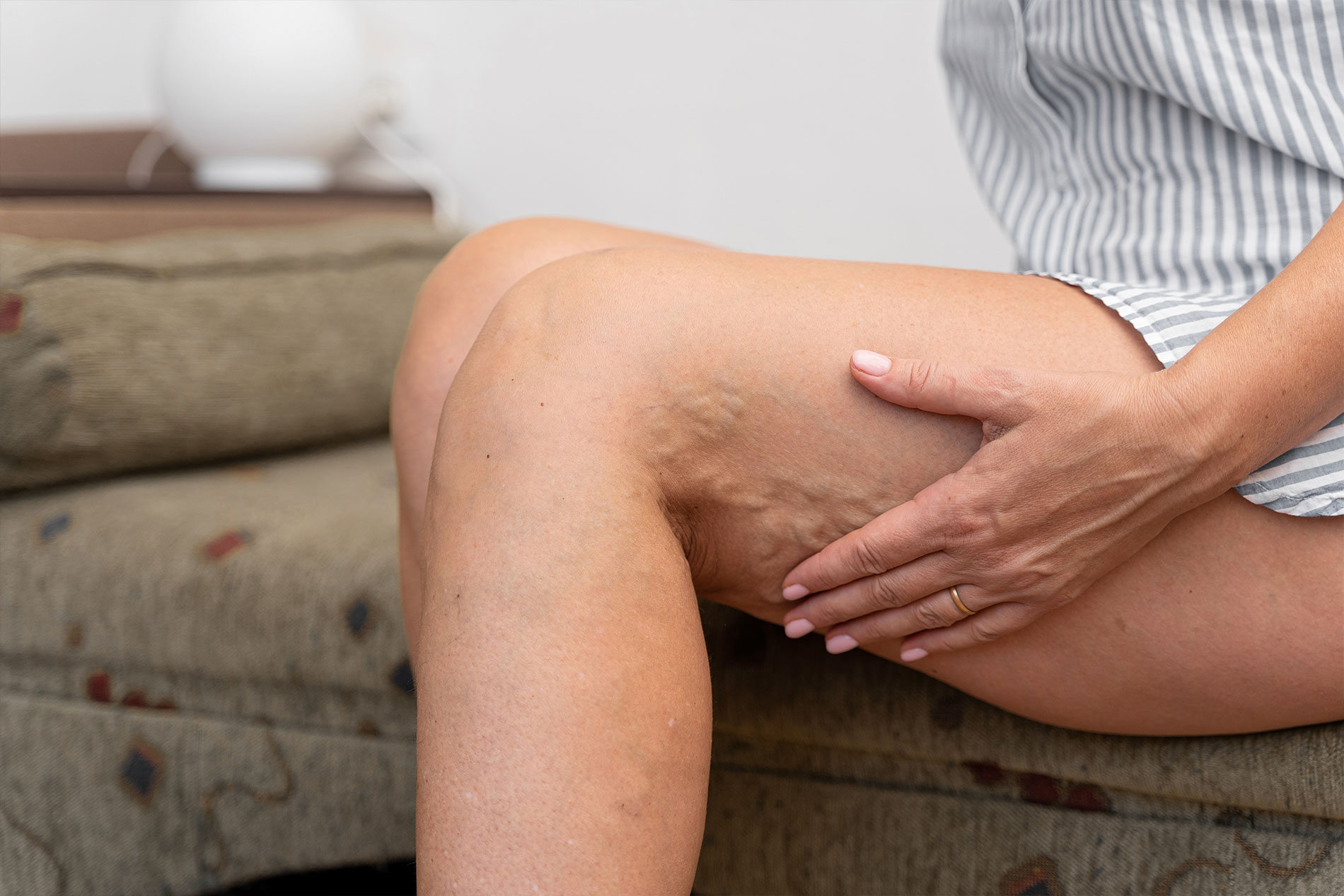

Leg pain, cramping, and fatigue are common complaints, often dismissed as normal signs of aging. But what if that nagging pain in your calves when you walk is a sign of a serious, progressive circulatory condition? Peripheral Arterial Disease (PAD) affects over 18 million Americans, yet it remains one of the most underdiagnosed and overlooked vascular diseases. This diagnostic gap is dangerous, as untreated PAD can lead to chronic pain, non-healing wounds, and even amputation.
The symptoms of PAD often overlap with other common conditions, leading to frequent misdiagnosis. Patients may be treated for arthritis, sciatica, or neuropathy for years, while the underlying arterial blockages worsen. Understanding why PAD is so often missed and how to get an accurate evaluation is the first and most critical step toward protecting your health and mobility. At Fox Vein and Vascular, our mission is to provide the expert diagnosis needed to prevent the severe consequences of this disease.
The Problem of Misdiagnosis: Why PAD Flies Under the Radar
Peripheral Arterial Disease occurs when plaque builds up in the arteries that supply blood to your legs and feet, a condition known as atherosclerosis. This narrowing restricts the flow of oxygen-rich blood, causing a range of symptoms. Unfortunately, these symptoms are often vague or easily confused with other health issues.
Overlapping Symptoms with Other Conditions
The primary reason for misdiagnosis is that PAD symptoms mimic those of other common ailments.
- Neuropathy: Both PAD and peripheral neuropathy can cause numbness, burning, and pain in the feet. A physician might diagnose neuropathy, especially in a diabetic patient, without checking for an underlying circulatory problem. While neuropathy is a nerve issue, PAD is a blood flow issue, and the treatments are completely different.
- Spinal Stenosis: Pain in the buttocks and thighs that occurs with walking can be caused by either PAD (claudication) or spinal stenosis (neurogenic claudication). However, the pain from spinal stenosis is often relieved by leaning forward (like on a shopping cart), while PAD pain is relieved by stopping activity altogether.
- Arthritis: Joint pain, particularly in the knees and hips, is a hallmark of osteoarthritis. It’s easy to assume that all leg pain is related to arthritic joints, ignoring the possibility of blocked leg arteries.
- General Muscle Soreness: Many people attribute leg pain when walking (claudication) to being out of shape or simply getting older. They adjust their activity levels to avoid the discomfort, unknowingly allowing the arterial disease to progress.
Silent or Atypical Symptoms
Not everyone with PAD experiences the classic symptom of claudication. Many individuals have no symptoms at all in the early stages. Others present with atypical signs, such as general leg fatigue, heaviness, or a slower walking pace, which are not immediately recognized as being related to poor circulation. Because the early signs of peripheral artery disease can be subtle, patients may not think to mention them, and doctors may not probe for them.
Lack of Routine Screening
Unlike screenings for high blood pressure or cholesterol, routine PAD screening Manhattan is not standard practice in many primary care settings unless a patient has specific complaints or multiple high-risk factors. This means many cases of asymptomatic or early-stage PAD go completely undetected until a serious complication, like a non-healing wound/ulcer of toe, leg, foot, develops.
The Critical Importance of a Vascular Specialist
When it comes to diagnosing PAD, seeing the right doctor is essential. While a primary care physician can play a role in identifying risk factors, a vascular specialist has the focused expertise and advanced diagnostic tools necessary for an accurate assessment. Dr. Fox is a board-certified vascular surgeon who specializes in identifying and treating complex arterial conditions. A specialist understands the nuances that differentiate PAD from other conditions and knows what to look for during a physical exam.
A proper PAD diagnosis involves more than just discussing symptoms. It requires a thorough evaluation of the vascular system to measure blood flow and identify blockages. Waiting until symptoms become severe can lead to irreversible damage. Early and accurate diagnosis from a specialist can prevent limb-threatening ischemia and avoid the need for major surgery or amputation.
How We Get It Right: The PAD Evaluation at Fox Vein and Vascular
At our vascular lab Manhattan, we provide comprehensive, same-day diagnostic testing to give you clear answers quickly. Our process is designed to be efficient, non-invasive, and definitive.
Step 1: Detailed History and Physical Exam
Your evaluation begins with a conversation. Dr. Fox will discuss your symptoms, walking ability, and risk factors (like smoking, diabetes, or high cholesterol). This is followed by a physical exam where we:
- Check for pulses in your legs and feet. Weak or absent pulses are a strong indicator of a blockage.
- Assess the skin temperature, color, and texture on your feet and legs.
- Look for slow-healing sores, changes in nail growth, or hair loss on the legs.
Step 2: Ankle-Brachial Index (ABI) Screening
The Ankle-Brachial Index (ABI) is the foundational test for diagnosing PAD. It is a quick, painless, and highly reliable procedure that compares the blood pressure in your ankles with the blood pressure in your arms.
- How it works: Cuffs are placed on your arms and ankles, and a Doppler device is used to listen to the blood flow.
- What it means: In a healthy person, the pressure in the ankles is the same or slightly higher than in the arms (an ABI ratio of 1.0-1.4). An ABI ratio below 0.9 indicates the presence of PAD. A ratio below 0.4 suggests severe disease.
This simple test provides objective proof of poor blood flow in legs and is a critical step that is sometimes skipped in a general practice setting.
Step 3: Duplex Ultrasound
If your ABI results are abnormal, the next step is often a Duplex Ultrasound. This non-invasive imaging test uses sound waves to create a “map” of your arteries. It provides Dr. Fox with critical information, including:
- The exact location of arterial blockages.
- The severity of the narrowing.
- The speed of blood flowing through the artery.
- The characteristics of the plaque (soft vs. calcified).
This detailed information is essential for planning the most effective, personalized treatment. Find out more about the advanced diagnostics at our Manhattan vein doctor office.
Step 4: Advanced Imaging (If Needed)
In some complex cases, further imaging like CT Angiography (CTA) or MR Angiography (MRA) may be required to create a detailed 3D roadmap of your arterial system before a procedure.
From Diagnosis to Treatment: Restoring Your Circulation
Once an accurate diagnosis of PAD is confirmed, the focus shifts to treatment. At Fox Vein and Vascular, our philosophy is centered on minimally invasive treatments for PAD that restore blood flow without the need for open surgery. These outpatient procedures allow for a faster recovery and a quicker return to your daily life.
- Angioplasty: A tiny balloon is inserted via a catheter and inflated inside the blocked artery to widen it.
- Atherectomy: A specialized device is used to sand away or remove tough, calcified plaque from the artery wall.
- Stenting: A small, mesh-like scaffold is placed inside the artery to prop it open and ensure long-term blood flow.
These minimally invasive vascular procedures Manhattan patients receive are performed by Dr. Fox, an expert in complex limb salvage techniques.
Take Control of Your Health: Get the Right Evaluation
If you are experiencing leg pain, foot pain, numbness, or have risk factors for PAD, do not dismiss your symptoms. The difference between a misdiagnosis and an accurate one could be the difference between lifelong mobility and a preventable amputation. An evaluation by a vascular surgeon in Manhattan is the definitive way to determine if your symptoms are caused by PAD.
Fox Vein and Vascular proudly serves patients from the 5 Boroughs, Nassau, Suffolk, South Western CT, and North East NJ. We are committed to providing the highest standard of vascular care. Learn more about our approach to PAD treatment Manhattan and get to know Dr. Fox vascular specialist.
Don’t let your pain be misdiagnosed. Schedule a consultation today for a proper PAD evaluation.
Fox Vein and Vascular – Manhattan, NY
📞 (212) 362-3470
🌐 foxvein.com
Leading Manhattan Vascular & Vein Specialist
At Fox Vein Care, we provide state-of-the-art vascular and venous treatments, combining advanced diagnostic technology with minimally invasive procedures that prioritize comfort, safety, and outstanding results.
Contact Us