Many patients assume that any persistent ache in their knee means they have arthritis. This assumption leads to a lot of frustration, especially when standard treatments fail to provide relief. The reality is that knee pain can stem from a wide variety of sources, including inflammation, structural injuries, overuse, tendon problems, and even circulation issues.
Understanding what causes knee pain requires looking beyond the location of the discomfort. Knee pain itself is not a diagnosis. Identifying the actual underlying condition is the only way to determine the correct treatment path. This guide will help you understand how different causes of knee pain present themselves, allowing you to distinguish between arthritis, injury, and circulation problems.
Knee Pain Is a Symptom, Not a Diagnosis
Patients often search for ways to treat their knee pain without knowing exactly what is broken, inflamed, or blocked. Treating the symptom without addressing the root cause rarely leads to long-term relief.
Why the same pain can come from very different problems
The knee is a complex hinge joint surrounded by ligaments, tendons, cartilage, and a rich network of blood vessels. A sharp pain when walking down the stairs might be caused by a torn meniscus, but it could also be the result of severe tendonitis. Both conditions cause localized pain, yet they require entirely different medical approaches.
Why location, timing, and swelling matter
The exact location of your pain provides major clues. Pain at the front of the knee differs from pain at the back or sides. Timing is equally important. Pain that is worse in the morning points to one set of conditions, while pain that gets worse after standing all day suggests another. Swelling patterns also help doctors narrow down the list of potential culprits.
Why guessing based on pain alone usually goes wrong
Attempting to self-diagnose based purely on pain levels is a common trap. You might assume your joint is severely damaged, only to find out you have a treatable case of tendon inflammation. Guessing leads to wasted time on the wrong therapies. A proper knee arthritis diagnosis or evaluation of other conditions we treat knee pain is essential for recovery.
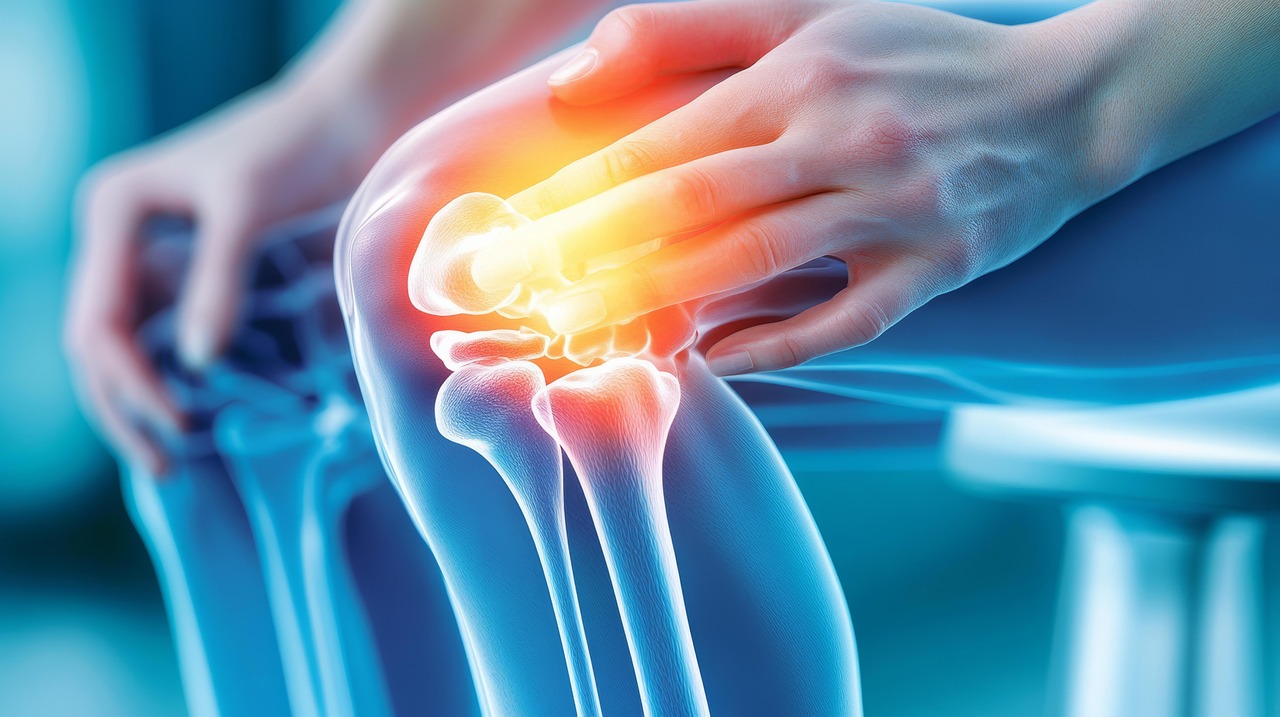
Osteoarthritis: The Most Common Cause of Chronic Knee Pain
While it is not the only cause, osteoarthritis remains a leading reason for chronic knee discomfort, especially in older adults.
Gradual pain that builds over time
Unlike a sports injury that happens in an instant, osteoarthritis pain develops slowly. You might notice a mild ache after a long walk, which eventually progresses into a daily annoyance. This gradual build-up is a hallmark of degenerative joint disease.
Stiffness, swelling, and pain with daily movement
Osteoarthritis commonly causes stiffness, particularly after periods of inactivity. Many patients report that their knees feel locked up when they first wake up. Swelling is also common as the joint reacts to internal friction.
Why arthritis pain is often more about inflammation than “wear and tear”
People often describe osteoarthritis as a “wear and tear” disease, but this is an oversimplification. The pain actually stems from the body’s inflammatory response to cartilage breakdown. Understanding this shifts the focus toward managing knee arthritis symptoms and exploring targeted knee arthritis pain treatment.
Inflammation Inside the Joint
Sometimes, the joint itself becomes heavily inflamed even if the cartilage is mostly intact. This internal swelling can be highly painful and restrictive.
Synovial inflammation and persistent swelling
The synovium is a thin membrane that lines the knee joint. When it becomes irritated, it produces excess fluid, leading to visible swelling. Synovial inflammation can make the knee feel warm to the touch and significantly restrict your range of motion.
Why inflammation can cause pain even without severe joint damage
You do not need bone-on-bone arthritis to experience severe pain. A highly inflamed joint will hurt with every step. The nerve endings inside the knee are highly sensitive to the chemical signals released during the inflammatory process.
How blood flow contributes to chronic symptoms
Abnormal blood flow can sustain this inflammatory cycle. When new, abnormal blood vessels form around an inflamed knee, they keep the tissues irritated. Addressing this through the vascular theory of osteoarthritis is an evolving and highly effective medical approach.
A minimally invasive procedure known as genicular artery embolization (GAE) applies this vascular theory directly, reducing the abnormal blood flow that keeps the joint inflamed.
Sports Injuries and Overuse Problems
Active individuals frequently experience knee pain driven by mechanical damage or repetitive stress.
Meniscus injuries, ligament strain, and repetitive stress
A sudden twist or impact can tear the meniscus or stretch ligaments like the ACL and MCL. These structural injuries usually cause immediate, sharp pain and noticeable instability. Repetitive stress from running or jumping can also wear down these tissues over time.
Tendonitis vs joint pain
Tendonitis occurs when the thick cords attaching muscle to bone become irritated. This usually causes localized pain right below the kneecap or at the sides of the joint. It is easily confused with internal joint pain but requires a different recovery protocol.
When pain is mechanical—not degenerative
If your knee catches, pops loudly, or gives out completely, you are likely dealing with a mechanical issue. Seeking early sports injury treatment NYC or exploring a tendonitis embolization NYC can prevent further damage to the joint structure.
Pain Above or Below the Knee That Feels Like “Knee Pain”
The human body is highly interconnected. The source of your pain is not always located where you feel the ache.
Hip problems referring pain into the knee
Nerves that travel through the hip and thigh also supply the knee. Severe hip arthritis or a pinched nerve in the lower back can send pain signals directly into the knee joint. Patients often undergo knee evaluations only to discover their hip is the true problem.
Foot mechanics and walking patterns
Flat feet or improper footwear can alter the way you walk. This abnormal gait forces the knee to absorb forces it was not designed to handle, leading to chronic strain.
Why the painful area is not always the real source
Doctors must look at the entire kinetic chain. If you treat the knee but ignore a failing hip, the pain will simply return. Finding a hip pain treatment without surgery or exploring a hip embolization NYC might actually resolve what you thought was a knee issue.
Questions about your treatment options? Dr. Fox can help.
Book a ConsultationCirculation Problems That Can Mimic Knee Pain
Vascular health is rarely the first thing people think of when their legs hurt, yet poor circulation is a major cause of lower extremity discomfort.
Peripheral arterial disease (PAD) and leg pain with walking
Peripheral arterial disease (PAD) occurs when narrowed arteries reduce blood flow to the limbs. This often causes cramping and pain in the calves, thighs, or around the knees when walking. The pain usually stops quickly once you rest.
Poor circulation vs joint pain
Circulation pain is tied heavily to exertion. If your leg hurts after walking two blocks but feels perfectly fine when sitting, blood flow is a likely suspect. Joint pain, conversely, often aches even when you are off your feet.
Why some patients are treated for the wrong problem first
Many older adults with PAD are mistakenly told they just have arthritis. They might receive cortisone shots or physical therapy that does nothing to clear blocked arteries. Understanding peripheral arterial disease PAD and learning to distinguish leg pain while walking can save you from years of misdirected treatments. It is crucial to evaluate PAD vs vein disease if vascular issues are suspected.
When Swelling Suggests Something Other Than Arthritis
Swollen knees are common, but the nature of the swelling tells a distinct medical story.
Sudden swelling vs gradual swelling
If your knee balloons up within hours of an awkward step, you likely have a torn ligament or meniscus. If the swelling develops slowly over months and feels “boggy,” it is more likely tied to chronic inflammation or osteoarthritis.
Vein issues, inflammation, and fluid buildup
Poor vein function can cause fluid to pool in the lower legs, which can push upward and create a feeling of tightness around the knee. This is entirely different from joint effusion (fluid inside the knee capsule).
When swelling needs faster evaluation
Swelling accompanied by severe redness, heat, or a fever could indicate an infection or a blood clot. These symptoms warrant immediate medical attention. Recognizing chronic venous insufficiency and the signs of chronic vein disease can also help clarify the source of lower leg fluid buildup.
Why Knee Pain Gets Worse at Night
Nighttime knee pain disrupts sleep and drastically lowers a patient’s quality of life. Understanding why this happens can help direct the right treatment.
Inflammation after a full day of activity
Every step you take puts pressure on your knees. Over the course of a day, this friction triggers an inflammatory response. By the time you get to bed, the joint is swollen and highly reactive.
Reduced movement and stiffness
Movement helps circulate joint fluid, which acts as a natural lubricant. When you lie still in bed, that fluid settles, leading to increased stiffness and a throbbing sensation.
Circulation and nighttime discomfort
Poor circulation can also cause legs to ache at rest. If your arteries are narrowed, lying flat can reduce gravity’s helpful pull on arterial blood flow, starving the leg muscles of oxygen. This helps explain why knee pain gets worse at night and why knee osteoarthritis causes pain during periods of rest.
How Doctors Figure Out What’s Actually Causing the Pain
A specialist will never rely entirely on your description of the pain to make a final diagnosis. A methodical clinical approach is necessary.
Symptoms, physical exam, and movement patterns
A doctor will move your leg through various angles, testing the ligaments, palpating the tendons, and observing your gait. These physical tests often reveal exactly which tissue is generating the pain signals.
Imaging when it helps—and when it doesn’t
X-rays are excellent for showing bone spurs and lost cartilage, but they do not show torn tendons or poor blood flow. MRIs and ultrasounds provide a deeper look into soft tissues. In cases of suspected vascular issues, diagnostic vascular laboratory testing is the gold standard.
Why diagnosis should guide treatment, not assumptions
Injecting steroids into a knee that actually hurts because of PAD will accomplish nothing. Getting a precise knee arthritis diagnosis or ruling out vascular blockages ensures that your medical team is treating the right disease.
When Knee Pain Means You Should Stop Waiting
Many people ignore knee pain, hoping it will resolve on its own. While minor strains do heal, chronic conditions require intervention.
Pain lasting more than a few weeks
If your knee has been hurting for more than four weeks without improvement, the tissue is likely failing to heal on its own. Persistent pain is a clear signal that professional medical evaluation is required.
Pain that changes how you walk or function
Limping or avoiding stairs entirely means the knee pain is now impacting your biomechanics. Altering your gait can quickly lead to secondary injuries in your opposite leg, hips, or lower back.
Symptoms that suggest a bigger underlying issue
Severe swelling, the inability to bear any weight, or pain accompanied by calf cramping during walks all point to problems that require specialized care. Seeking early treatment for knee osteoarthritis or exploring chronic joint pain treatment can prevent permanent damage.
Next Step: Treat the Cause, Not Just the Pain
Knee pain is complex. It can stem from degenerated cartilage, inflamed tissues, referred nerve pain, or restricted arteries. Relying on basic braces, over-the-counter pain medications, or isolated injections won’t yield lasting results if the underlying diagnosis is incorrect.
Stop guessing about the source of your discomfort. Finding clarity means getting an accurate medical evaluation that looks at your joint health, your biomechanics, and your vascular function. Start by exploring our targeted knee arthritis pain treatment options or schedule a comprehensive PAD evaluation page today to get back to living without limits.