Introduction
It starts with a glance in the mirror. Perhaps you notice a tiny web of red or blue lines near your ankle, or maybe a small burst of purple vessels on your thigh. For many, this moment is met with a sigh of frustration. Spider veins are incredibly common, affecting millions of adults worldwide, yet they remain one of the most persistent cosmetic complaints.
Once they appear, the immediate question is usually, “How do I get rid of them?” But for those who have just started noticing them—or those with a family history of vein issues—the more pressing question is: “Can I stop them from happening in the first place?”
The answer, like most things in medicine, is nuanced. While you cannot change your genetics, you are not entirely powerless. There is a significant difference between inevitability and management. By understanding the mechanics of your circulatory system and making strategic lifestyle choices, you can delay the onset of spider veins, minimize their severity, and improve your overall vascular health.
In this comprehensive guide, we will dive deep into the science of prevention. We will separate fact from fiction regarding “vein-boosting” supplements, break down the exercises that actually work, and discuss when it is time to stop guessing and see a vein specialist near me. Whether you are looking to protect your legs from future damage or seeking a Manhattan vein clinic for existing issues, this is your roadmap to proactive vein care.
Understanding the Enemy: What Are Spider Veins?
The Mechanics of Circulation
To prevent spider veins (telangiectasias), you first have to understand why they form. Your circulatory system is a complex network. Arteries carry oxygen-rich blood from your heart to your tissues, and veins carry the oxygen-depleted blood back up to the heart.
This return journey is an uphill battle against gravity. To help, your veins are equipped with tiny, one-way valves. These valves open to let blood flow up and close to prevent it from flowing back down.
When these valves become weak or damaged—a condition known as venous insufficiency—blood can leak backward and pool in the vein. This pooling increases pressure within the vessel walls. Over time, the smallest vessels near the skin’s surface (capillaries) dilate and branch out under this pressure, becoming visible as spider veins.
Spider Veins vs. Varicose Veins
It is important to distinguish between spider veins and varicose veins.
- Spider Veins: Small, flat, red, blue, or purple lines. They are primarily a cosmetic concern but can indicate underlying issues.
- Varicose Veins: Large, bulging, rope-like veins that protrude from the skin. These are often painful and are a more advanced sign of venous disease.
While they look different, they share the same root cause: malfunctioning valves. Therefore, the prevention strategies for both are largely the same. Preventing spider veins often means you are also reducing your risk for developing bulging veins and other chronic vein condition specialist near me type issues later in life.
The Genetic Factor: Is It In Your DNA?
The “Parent Trap”
If your mother or father has spider veins or varicose veins, your chances of developing them increase significantly. Genetics play a massive role in the strength of your vein walls and the durability of your valves.
If both parents have vein issues, your risk can be as high as 90%. This statistic can be discouraging, leading some people to believe prevention is futile. However, genetics are not a guaranteed sentence; they are a predisposition.
Think of it like heart disease. Just because heart issues run in your family doesn’t mean you will definitely have a heart attack—it means you need to be more diligent about your diet and exercise than someone without that history. The same logic applies to vein health. If you have the genetic marker, your preventative efforts are even more critical.
Hormonal Influences
Women are more likely to develop spider veins than men, largely due to hormonal fluctuations. Estrogen and progesterone can relax vein walls, making the valves more prone to failure.
Common hormonal triggers include:
- Puberty: The initial surge of hormones.
- Pregnancy: A “perfect storm” for veins (more on this later).
- Menopause: Shifts in hormonal balance affect vessel elasticity.
- Birth Control & HRT: Hormonal medications can increase the risk.
While you cannot change your DNA or stop natural hormonal shifts, understanding these risk factors helps you identify when to be most vigilant.
Lifestyle Changes: Your First Line of Defense
The Danger of Standing (and Sitting) Still
Modern life is the enemy of healthy circulation. Many of us work jobs that require prolonged standing (nurses, teachers, retail workers) or prolonged sitting (office workers, drivers). Both are detrimental.
When you stand still, gravity pulls blood down into your legs, increasing the pressure on your veins. When you sit for hours, the muscles in your legs—which act as pumps to push blood upward—are inactive.
Prevention Tip: The 30-Minute Rule.
Set a timer on your phone. Every 30 minutes, change your position.
- If you sit: Stand up, stretch, or walk to the water cooler. Even tapping your toes or flexing your ankles under your desk can engage the calf muscle pump.
- If you stand: Shift your weight from leg to leg. rise up on your tiptoes repeatedly to flex your calves. Take a short walk whenever possible.
Weight Management
Your veins are under constant pressure. Carrying excess body weight adds to this load. Extra weight, particularly around the abdomen, increases intra-abdominal pressure, which acts as a roadblock for blood trying to return from your legs to your heart.
This added resistance forces your veins to work harder, leading to valve failure and the formation of spider veins. Maintaining a healthy weight is one of the most effective ways to reduce the strain on your vascular system.
Clothing Choices: Fashion vs. Function
Believe it or not, your wardrobe can impact your vein health.
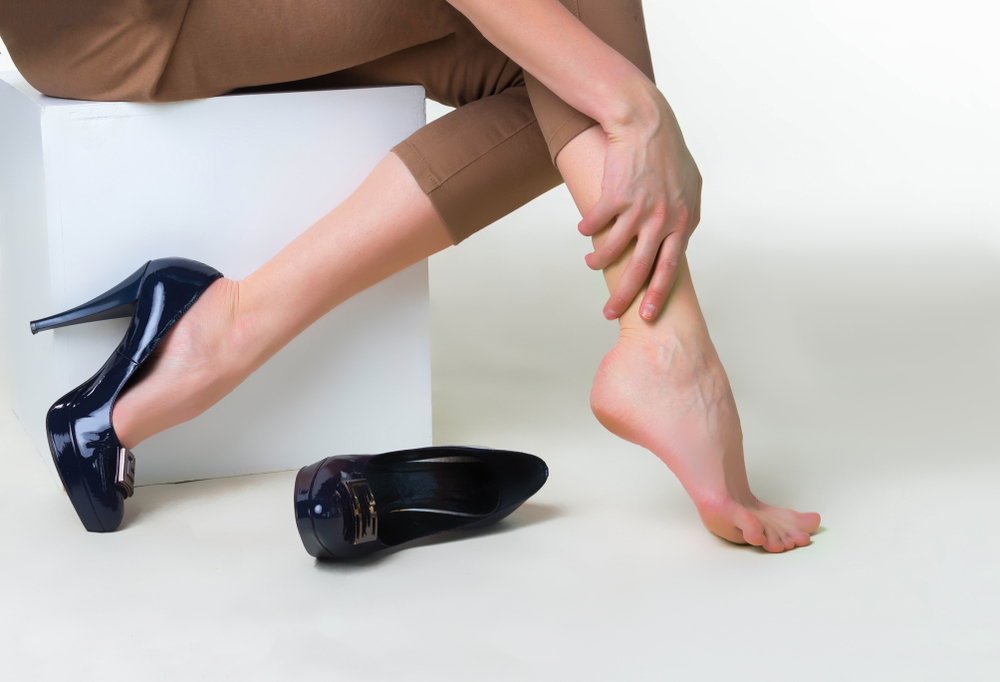
- High Heels: High heels limit the range of motion in your ankle. This prevents your calf muscle from fully contracting and pumping blood efficiently. Save the stilettos for special occasions and opt for flats or low heels for daily wear.
- Tight Clothing: Extremely tight waistbands, belts, or “shapewear” can restrict blood flow in the groin area, making it harder for blood to exit the legs.
Nutritional Deficiencies and Vein Health
The Anti-Inflammatory Diet
Inflammation weakens blood vessel walls. A diet high in processed foods, sugar, and unhealthy fats promotes systemic inflammation. To combat this, focus on a diet rich in:
- Vitamin C: Essential for the production of collagen and elastin, which keep vein walls flexible and strong. (Citrus fruits, berries, peppers).
- Vitamin E: Helps prevent blood clots and improves circulation. (Nuts, seeds, leafy greens).
- Fiber: Constipation increases abdominal pressure, which pushes down on leg veins. A high-fiber diet keeps things moving and reduces this internal pressure. (Whole grains, vegetables, legumes).
- Bioflavonoids: These compounds strengthen vessel walls and reduce inflammation. (Rutins found in buckwheat, apples, and grapes).
The Salt Trap
Sodium causes water retention. When your body holds onto water, blood volume increases, placing extra pressure on your veins. If you notice leg swelling and veins feeling tight after a salty meal, that is your vascular system struggling under the load. Reducing salt intake is a simple, immediate way to lower venous pressure.
Exercise: The Natural Pump
Best Exercises for Veins
Not all exercise is created equal when it comes to vein health. The goal is to engage the “Second Heart”—your calf muscles.
- Walking: The absolute best exercise for veins. It is low impact and rhythmically contracts the calves.
- Swimming: The water pressure acts as a natural compression stocking, and the horizontal position negates gravity.
- Cycling: The pedaling motion is excellent for blood flow without the impact of running.
- Elliptical Machines: Provides the motion of running without the pounding impact on joints.
Exercises to Approach with Caution
If you already have weak valves, certain high-impact exercises might exacerbate the issue by increasing downward pressure.
- Heavy Weightlifting: Straining to lift heavy weights increases abdominal pressure significantly (the Valsalva maneuver). If you lift, focus on lower weights with higher reps, and breathe properly.
- High-Impact Running: On hard surfaces like concrete, the jarring impact can be tough on compromised veins. Try running on grass or a track instead.
If you are experiencing knee pain treatment Manhattan needs or joint issues, consult a specialist before starting a new regimen. Sometimes, what feels like joint pain is actually vascular, or vice versa.
The Role of Compression Stockings
Not Just for Grandma
When people hear “compression stockings,” they often picture beige, medical-looking socks. However, modern compression wear comes in athletic styles, fashionable patterns, and varying strengths.
Compression stockings work by applying graduated pressure to the leg—tightest at the ankle and loosening as they go up. This mechanically assists the veins in pushing blood upward against gravity.
When to Wear Them
You don’t need to wear them 24/7 for prevention, but strategic use is highly effective:
- During Travel: Always wear them on flights longer than 4 hours.
- During Pregnancy: Highly recommended to counteract increased blood volume.
- During Long Shifts: If you know you will be standing all day, put them on in the morning.
Consulting a vein specialist near me can help you determine the right compression level (measured in mmHg) for your specific needs.
Pregnancy and Veins: A Special Case
Why Pregnancy Triggers Spider Veins
Pregnancy is a “stress test” for your vascular system.
- Blood Volume: Your blood volume increases by up to 50% to support the baby.
- Hormones: High progesterone levels relax vein walls.
- Pressure: The growing uterus pushes directly on the inferior vena cava (the main vein on the right side of the body), restricting flow from the legs.
Prevention During Pregnancy
While some pregnancy-related veins are inevitable, many will disappear after delivery if you manage them well during the nine months.
- Sleep on Your Left Side: This relieves pressure on the inferior vena cava.
- Elevate Your Legs: Whenever you sit, prop your legs up.
- Stay Active: Walking is safe and effective for most pregnancies.
- Wear Compression: Start wearing them in the first trimester, not just when swelling starts.
Sun Protection: The Forgotten Factor
UV Damage and Veins
We know the sun damages skin, causing wrinkles and age spots. But did you know it also causes spider veins?
Sun exposure breaks down collagen under the skin. As the skin thins and loses elasticity, the tiny blood vessels beneath lose their support structure. They can dilate and become visible, especially on the face (nose and cheeks) and the legs.
The Face vs. The Legs
Facial spider veins are almost exclusively caused by sun damage (and sometimes rosacea or alcohol consumption). Leg spider veins are more hemodynamic (flow-related), but sun damage can make them worse or cause new, fine networks to appear.
Prevention: Apply broad-spectrum sunscreen daily, even in the city. If you are fair-skinned, this is non-negotiable.
When Prevention Isn’t Enough: Seeking Professional Help
Recognizing the Signs
Despite your best efforts—kale smoothies, daily walks, and compression socks—you might still see those tell-tale lines appearing. Remember, genetics are powerful.
If you notice:
- Vein symptoms in legs like aching, heaviness, or throbbing at the end of the day.
- Leg swelling and veins that seem to be getting worse.
- Sudden clusters of spider veins appearing.
- Vein pain or tenderness to the touch.
It is time to stop relying solely on home prevention and seek a professional evaluation. To learn about signs and symptoms requiring expert care, review the conditions we treat at Fox Vein Care for more details.
The Importance of Early Intervention
Many people wait until their legs look “bad enough” to see a doctor. This is a mistake. Spider veins can be the “tip of the iceberg.” Beneath the surface, you might have larger feeder veins (reticular veins) or deeper insufficiency that isn’t visible yet.
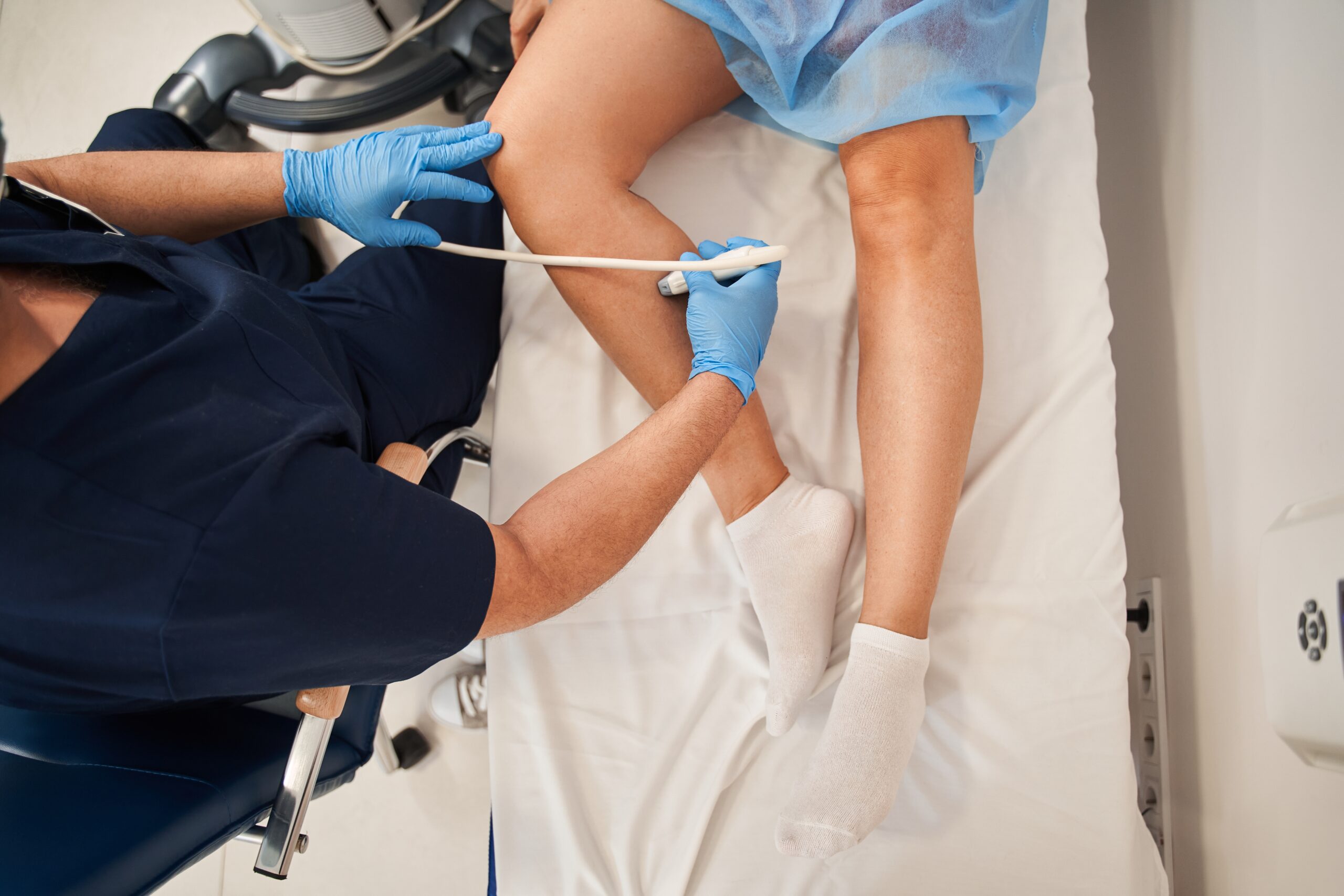
A Manhattan vein clinic like Fox Vein Care can perform a duplex ultrasound. This non-invasive test maps your venous system to spot underlying reflux. If deeper issues are present, treating them early can prevent future spider veins and more serious problems down the line. To learn about diagnostic and minimally invasive procedures, visit the Manhattan vein doctor page.
Essentially, treating the root cause is a form of prevention for worse issues down the road.
Treatment as Prevention?
Once spider veins are present, no amount of kale or jogging will make them disappear. They must be treated medically. The good news is that treating them isn’t just cosmetic; it can prevent them from spreading or bleeding, and can even help with related symptoms.
- Sclerotherapy: The gold standard for spider veins. A solution is injected to collapse the vein. Learn more about sclerotherapy treatments.
- Laser Therapy: Used for tiny surface veins and as a complement to sclerotherapy.
- Vein treatment near me: Modern treatments at experienced clinics like Fox Vein Care are minimally invasive with little to no downtime. Explore additional treatment options and vein care technology available in Manhattan.
For a comprehensive overview of spider vein treatments, visit the Spider Vein Treatment page at Fox Vein Care. You’ll find detailed insights into procedures, recovery expectations, and how the clinic can help you restore both health and confidence.
Addressing Related Leg Pain
Is It Veins or Something Else?
Sometimes, patients focus on preventing spider veins because their legs hurt, assuming the visible veins are the cause. However, leg pain is complex.
If your pain is concentrated in the joints, particularly the knees, you might be dealing with osteoarthritis alongside your venous issues. It is common for patients to search for a knee pain specialist near me or chronic knee pain doctor NYC while also worrying about their veins.
Interestingly, vascular specialists are now at the forefront of treating knee pain too. A procedure called Genicular Artery Embolization (GAE) treats the inflammation associated with knee osteoarthritis. So, if you are looking for knee pain treatment Manhattan, a vascular center might actually be the comprehensive solution you need. Don’t ignore joint pain thinking it’s just “bad veins”—get a proper diagnosis.
Conclusion: Empowerment Over Inevitability
Can spider veins be fully, 100% prevented in everyone? The honest medical answer is no. If your genetics are programmed for them, you may eventually see some appear.
However, can you delay their onset? Yes.
Can you reduce their severity? Yes.
Can you prevent the complications associated with venous disease? Absolutely.
By adopting a vein-healthy lifestyle—moving more, eating well, protecting your skin, and wearing compression when needed—you are taking active control of your vascular health. You are shifting the odds in your favor.
And when prevention reaches its limit, modern medicine picks up the baton. There is no shame in needing treatment. In fact, consulting a vein specialist near me at the first sign of trouble is the smartest preventative step you can take against future progression.
Don’t wait for your legs to dictate your lifestyle. Be proactive. Whether you are searching for a varicose vein doctor Manhattan or simply want advice on compression stockings, taking action today will keep you on your feet—pain-free and confident—for years to come.
Frequently Asked Questions
1. Does crossing your legs cause spider veins?
This is a popular myth. Crossing your legs does not cause spider veins, but it can slightly restrict blood flow. If you are already at high risk, it’s better to sit with legs uncrossed, but it is not a primary cause like genetics or pregnancy.
2. Can massage prevent spider veins?
Massage can help improve circulation and reduce swelling (lymphatic drainage), which is good for overall vein health. However, it cannot “rub away” existing spider veins, and deep tissue massage on fragile veins should be avoided.
3. Do vein supplements actually work?
Supplements like Horse Chestnut Extract (Aesculus hippocastanum) and Diosmin have been shown in some studies to help with symptoms of venous insufficiency (like swelling and heaviness). However, they will not erase existing spider veins or guarantee prevention. Always ask your doctor before starting supplements.
4. Is walking barefoot good for veins?
Walking barefoot on sand or soft grass can be beneficial because it forces the foot and calf muscles to work through a fuller range of motion, pumping blood more effectively.
5. At what age should I start worrying about prevention?
Vein health is a lifelong commitment. While spider veins often appear in the 30s, 40s, and 50s, the habits you form in your 20s (like avoiding smoking and exercising) set the foundation for your vascular future.
You and Your Veins
Treatment for painful or embarrassing spider veins and varicose veins is now available without the need for invasive vein surgery. Fox Vein Care, a leading vein treatment center in Manhattan offers a range of minimally invasive, state-of-the-art alternatives to vein surgery, including Transdermal Laser Treatment and sclerotherapy, in the convenience of our Manhattan office.
Learn More