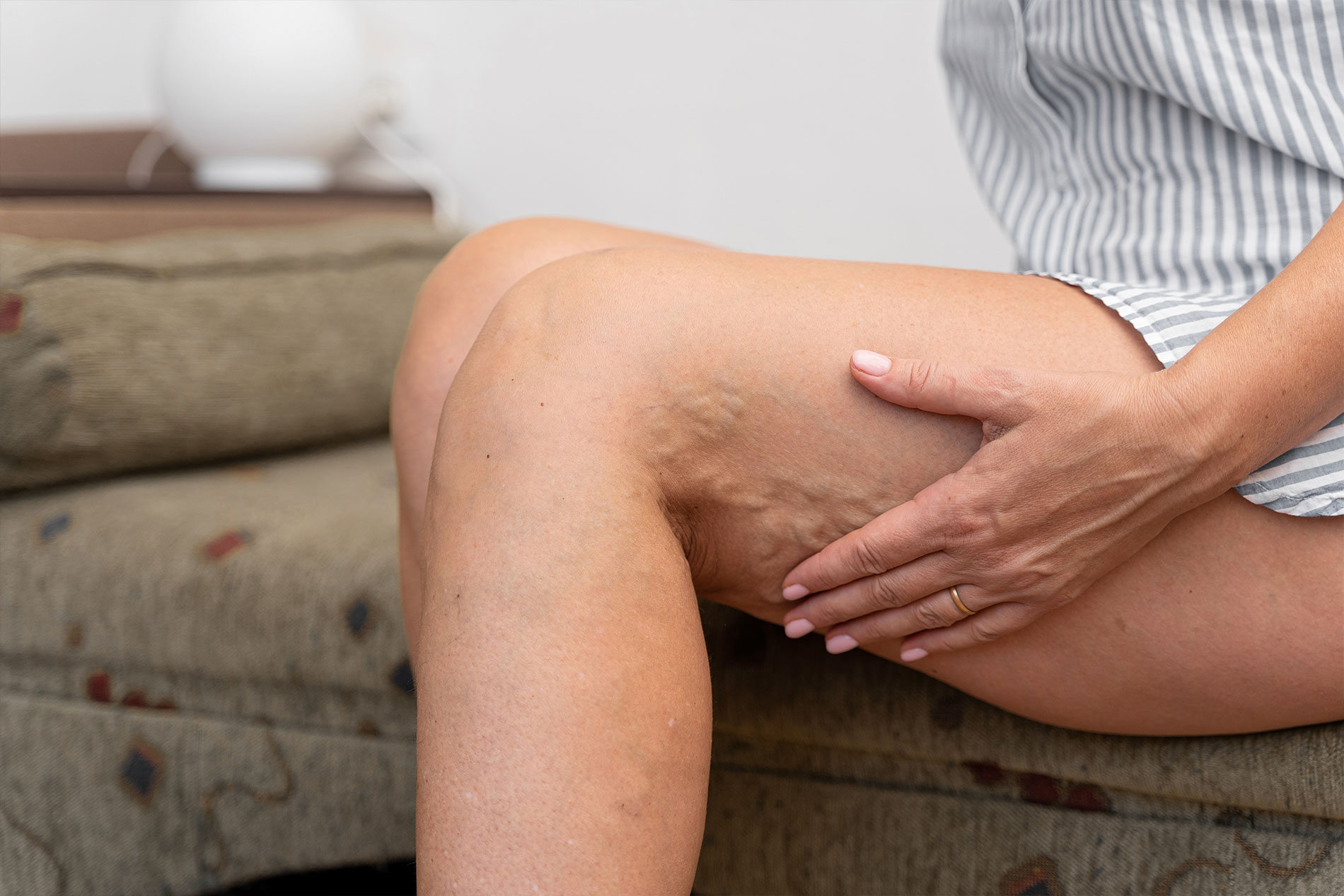

When people think of spider veins, the image that often comes to mind is of women concerned about the appearance of fine, web-like lines on their legs. This common association has created a persistent myth that venous issues are primarily a female problem. However, this is far from the truth. Men are also highly susceptible to developing spider veins and their more severe counterparts, varicose veins. If you’re a man who has noticed these marks and started searching for a “vein specialist near me,” you are not alone.
The reality is that venous disease does not discriminate based on gender. While hormonal factors do make women more prone to developing spider veins, millions of men also suffer from the same underlying condition: chronic venous insufficiency. Unfortunately, the misconception that this is a “women’s issue” often causes men to delay seeking diagnosis and treatment, sometimes allowing the condition to progress to a more advanced stage. For anyone seeking help, a top Manhattan vein clinic can offer clarity and effective solutions.
If you’re interested in learning more about effective spider vein treatments or want to explore options specifically designed for men, visit our detailed spider vein treatment page.
This article aims to set the record straight. We will explore why men get spider veins, the specific risk factors they face, the symptoms they should not ignore, and the modern, effective treatments available. Understanding that vein health is a universal concern is the first step toward getting the proper care from a qualified chronic vein condition specialist near me.
Debunking the Myth: Vein Disease in Men
Spider veins, or telangiectasias, are small, dilated blood vessels visible just beneath the surface of the skin. They are a direct result of increased pressure within the venous system. This pressure buildup occurs when the one-way valves inside the veins fail to close properly, allowing blood to flow backward and pool—a condition known as venous reflux or chronic venous insufficiency (CVI).
While it’s true that studies show women are more likely to develop spider and varicose veins, the prevalence in men is still incredibly high. It’s estimated that up to 45% of men will experience some form of venous disease in their lifetime. The issue is that men often ignore the early signs. They may dismiss the initial appearance of spider veins as a simple cosmetic issue or attribute symptoms like leg aching and fatigue to getting older or working too hard. This delay can have consequences, as untreated CVI can lead to more severe problems down the line.
Why Men Develop Spider Veins: Key Risk Factors
The causes of spider veins in men are largely the same as in women, with a few notable differences in emphasis. The primary drivers are genetics, age, and lifestyle.
Genetics: The Most Powerful Predictor
The single most significant risk factor for developing spider veins is family history. If your mother or father had varicose or spider veins, your chances of developing them are substantially higher. You can inherit traits like weaker vein walls or congenitally faulty valves, making your venous system more susceptible to failure over time. This genetic predisposition is something no one can change, making it even more important to manage the risk factors you can control.
The Aging Process
As men age, the components of their bodies naturally lose strength and elasticity. This includes the tissues that make up vein walls and the delicate leaflets of the venous valves. Over decades of use, valves can wear down and begin to fail. The vein walls can lose collagen and elastin, making them more likely to stretch and dilate under pressure, leading to the formation of both spider veins and larger bulging veins.
Occupation and Lifestyle
A man’s profession and daily habits play a huge role in vein health.
- Prolonged Standing or Sitting: Jobs that require long hours on your feet (like construction, teaching, or food service) or sitting at a desk lead to blood pooling in the legs. Spider veins and standing jobs are closely linked because the calf muscle—your “second heart”—isn’t being used to pump blood back toward the chest. The same is true for sedentary desk jobs.
- Heavy Lifting: Occupations or workout routines that involve frequent heavy lifting can dramatically increase intra-abdominal pressure. This pressure can impede blood flow returning from the legs, putting significant strain on the leg veins and their valves.
- Obesity: Carrying excess weight puts constant, added pressure on your entire circulatory system, particularly the leg veins. This makes it harder for blood to travel upward against gravity and increases the risk of valve failure.
Trauma or Injury
A direct injury to the leg, such as from sports or an accident, can damage a vein and its valves, leading to localized venous insufficiency and the appearance of spider veins in that area. Even minor, repetitive trauma can sometimes cause these fine veins to appear.
A Note on Hormones in Men
While female hormones (estrogen and progesterone) are major contributors to vein problems in women, men are not entirely exempt from hormonal influences. Testosterone levels naturally decline with age, and this shift can affect the integrity and tone of bodily tissues, including vein walls. Although the link is less direct than with female hormones, these age-related hormonal changes can be a contributing factor.
Recognizing the Symptoms: When It’s More Than Cosmetic
One of the main reasons men delay seeking treatment is that they fail to connect their physical symptoms to the visible spider veins. They might see the veins but write off the discomfort as something else. It is vital to understand that the following vein symptoms in legs are often directly caused by the same venous pressure that creates spider veins.
If you have spider veins and experience any of these issues, it’s a strong indication that you have underlying CVI that warrants a medical evaluation:
- Leg Aching and Heaviness: A common complaint is a dull, throbbing ache or a feeling of heavy, tired legs, especially at the end of the day.
- Swelling (Edema): You may notice swelling in your feet, ankles, or calves. A tell-tale sign is an indentation left by your socks at the end of the day.
- Vein Pain and Burning: A localized sensation of burning, stinging, or throbbing directly over clusters of spider veins or varicose veins.
- Muscle Cramps: Painful cramping in the leg muscles, particularly in the calf, that often strikes at night and can disrupt sleep.
- Itching (Stasis Dermatitis): Persistent itching on the lower legs, especially around the ankles, can be a sign of skin inflammation caused by chronic venous pressure.
- Restless Legs Syndrome: An uncontrollable urge to move your legs, usually occurring in the evening when you are trying to relax or sleep.
Ignoring these symptoms allows the underlying venous pressure to continue, which can lead to more advanced complications such as skin discoloration (hyperpigmentation), skin hardening (lipodermatosclerosis), and even venous ulcers (open sores that are difficult to heal).
Why Men Often Hesitate to Seek Treatment
Several cultural and social factors contribute to men’s reluctance to visit a vein specialist.
- The “Tough It Out” Mentality: Many men are culturally conditioned to ignore pain or discomfort and simply “tough it out,” believing it’s a sign of weakness to complain or seek medical help for what they perceive as a minor issue.
- Perception as a Cosmetic Problem: Because marketing for vein treatments has historically targeted women, many men view spider veins as a purely aesthetic issue and don’t feel it’s a “masculine” concern.
- Lack of Awareness: Men are often simply unaware that their leg symptoms are linked to their veins. They may blame aches and pains on age, a hard day’s work, or a lack of fitness, never realizing a treatable medical condition is the cause.
Breaking down these barriers starts with education and recognizing that vein health is a critical component of overall health for everyone. Seeking vein care treatment in Manhattan is a proactive step toward maintaining an active, pain-free lifestyle.
Getting a Proper Diagnosis at a Manhattan Vein Clinic
If you’re a man experiencing any of the symptoms listed above, the first step is to get a definitive diagnosis from a qualified specialist, such as a board-certified vascular surgeon. The diagnostic process is simple, non-invasive, and essential for planning effective treatment.
- Initial Consultation: The appointment will begin with a thorough discussion of your personal and family medical history, your symptoms, and your lifestyle. The specialist will then conduct a physical examination of your legs, looking for visible signs of venous disease like spider veins, varicose veins, swelling, or skin changes.
- Duplex Ultrasound: This is the most crucial part of the diagnostic process. A duplex ultrasound scan uses sound waves to create a detailed map of your venous system. It provides the doctor with a real-time view of your veins and blood flow. This test can:
- Visualize the Veins: Identify the size and location of veins beneath the skin.
- Confirm Venous Reflux: Measure the direction and speed of blood flow to pinpoint exactly which valves have failed and are allowing blood to leak backward.
- Identify the Source: Often, surface-level spider veins are fed by a larger, deeper vein that is the true source of the problem. The ultrasound identifies this source so it can be treated directly.
This objective data allows the varicose vein doctor in Manhattan to confirm a diagnosis of CVI and design a treatment plan tailored specifically to your anatomy and condition.
Modern, Minimally Invasive Treatments for Men
Gone are the days of painful, invasive vein stripping surgeries that required a hospital stay and a long recovery. Today’s treatments are highly effective, performed in a comfortable office setting, and allow you to return to your normal activities almost immediately.
If you’re considering professional help for spider veins, our Manhattan spider vein treatment page offers a detailed overview of proven options available at our clinic—including sclerotherapy, the leading treatment for spider veins.
Sclerotherapy
Sclerotherapy is the gold standard for treating spider veins. A specialist uses a very fine needle to inject a medicated solution directly into the spider veins. This solution causes the lining of the vein to become irritated and seal shut. The body then reroutes the blood through healthy veins, and the treated vein is gradually absorbed by the body, fading from view over several weeks. The procedure is fast, with minimal discomfort.
Endovenous Laser Therapy (EVLT)
If the ultrasound reveals that the spider veins are the result of a larger, underlying faulty vein (such as the great saphenous vein), your doctor will recommend treating the source. EVLT is a state-of-the-art procedure that does just that. A thin laser fiber is inserted into the diseased vein through a tiny entry point. Laser energy is then delivered to heat and seal the entire length of the faulty vein. This closes off the source of the reflux, instantly relieving the pressure on the downstream veins. It is an extremely effective and durable solution for CVI.
Combination Therapy
The most comprehensive approach often involves combination therapy. A specialist might first perform EVLT to close the main source of the reflux. In the following weeks, any remaining surface-level spider or varicose veins can be precisely targeted and eliminated with sclerotherapy. This dual approach ensures that both the underlying medical problem and the visible cosmetic concerns are fully addressed.
For patients whose leg discomfort is not entirely caused by vein disease, joint issues such as osteoarthritis may also play a role. Many people who initially search for a vein specialist near me are actually experiencing overlapping symptoms from both vascular and orthopedic conditions. For patients seeking non-surgical knee pain relief, Genicular Artery Embolization (GAE) is one of the most advanced osteoarthritis treatments available today.
Conclusion: Vein Health is Men’s Health
So, can men get spider veins? The answer is an emphatic yes. Spider veins are a common medical condition in men, driven by genetics, age, and lifestyle. They are not simply a cosmetic issue but are often the first visible sign of underlying chronic venous insufficiency, which can cause significant pain, discomfort, and more serious complications if left untreated.
It is time to discard the outdated notion that vein care is only for women. Paying attention to the health of your legs is a crucial part of maintaining an active and healthy life. If you have noticed spider veins, especially if they are accompanied by symptoms like aching, swelling, or cramping, do not ignore them.
Scheduling a consultation with a vein specialist is a strong, proactive step. A simple, painless evaluation can provide you with a clear diagnosis and a roadmap to effective treatment. With today’s minimally invasive procedures, you can resolve your symptoms, eliminate your spider veins, and get back to your life with healthier legs. If you’re looking for the “best vein doctor near me,” choose a practice that understands the unique concerns of male patients and offers comprehensive, state-of-the-art care.
Leading Manhattan Vascular & Vein Specialist
At Fox Vein Care, we provide state-of-the-art vascular and venous treatments, combining advanced diagnostic technology with minimally invasive procedures that prioritize comfort, safety, and outstanding results.
Contact Us