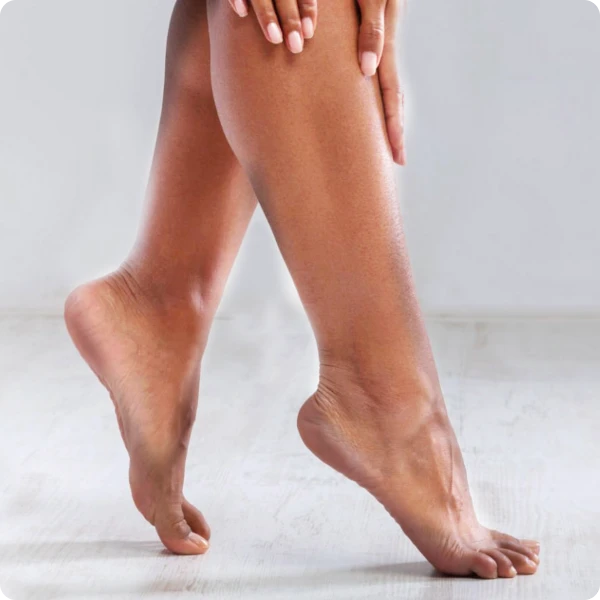




A woman’s body goes through remarkable transformations throughout her life. From the hormonal shifts of puberty and pregnancy to the profound changes of menopause, these stages can impact everything from mood and energy to physical health. One area often affected by these life events is vascular health, specifically the veins in the legs. Conditions like varicose veins and spider veins are incredibly common in women, and their development is frequently tied to key life milestones.
Many women notice the first appearance of spider veins in their twenties, see them worsen during pregnancy, and experience increased symptoms like leg pain and swelling as they approach menopause. Understanding how and why these changes occur is the first step toward effective management and treatment. Vein issues are not just a cosmetic nuisance; they can be a sign of an underlying medical condition called chronic venous insufficiency, which can cause significant discomfort and lead to more serious health problems if left untreated.
This guide explores vein treatment for women, focusing on the unique challenges and considerations at different life stages. We will discuss why vein problems develop, what symptoms to watch for, and the advanced, minimally invasive options available for vein care treatment in Manhattan. Whether you’re in your twenties, planning a family, or navigating menopause, you can find solutions that restore comfort and confidence in your legs. For an in-depth look at all conditions treated and the full menu of procedures, check out Manhattan vein treatment services.
If you want to learn more about the background and expertise driving quality outcomes, meet Dr. David Fox, Manhattan Vein Doctor, whose decades of experience bring the latest vascular technologies to every stage of a woman’s life.
Understanding Vein Disease in Women
Before diving into specific life stages, it’s important to understand the basics of vein disease. Varicose veins and spider veins are both manifestations of venous insufficiency. Your leg veins contain tiny, one-way valves that open to let blood flow toward the heart and close to prevent it from flowing backward due to gravity. When these valves weaken or become damaged, blood can pool in the lower legs. This process, known as chronic venous insufficiency (CVI), increases pressure inside the veins.
This sustained pressure causes the vein walls to stretch, twist, and bulge, resulting in visible varicose veins. Smaller, more delicate veins closer to the skin’s surface can also be affected, leading to the web-like patterns of spider veins. To understand the spectrum of vein diseases diagnosed and treated, you can refer to the detailed page on venous conditions and their symptoms.
While men also develop vein disease, women are disproportionately affected. The primary reason for this is hormones. Estrogen and progesterone, the main female hormones, can relax vein walls and impact the function of the valves. The dramatic fluctuations in these hormones during puberty, the menstrual cycle, pregnancy, and menopause make women more susceptible to developing venous issues.
Common vein symptoms in legs that signal a potential problem include:
- Aching, throbbing, or a feeling of heaviness
- Leg swelling (edema), especially in the ankles and feet
- Muscle cramping, particularly at night
- Itching or burning sensations around a vein
- Skin discoloration or texture changes near the ankle
- Restless legs syndrome
Recognizing these symptoms and seeking an evaluation from a qualified vein specialist in Manhattan is crucial for preventing the condition from progressing.
Vein Health in Your 20s and 30s: The Early Years
For many young women, their 20s and 30s are a time of building careers, pursuing active social lives, and starting families. Concerns about varicose veins might seem distant, but this is often when the groundwork for future vein problems is laid, and the first signs may appear.
Why Vein Problems Can Start Young
- Genetics: This is the single biggest predictor. If your mother or grandmother had varicose veins, you have a significantly higher chance of developing them yourself, often starting at a younger age.
- Hormonal Birth Control: Oral contraceptives and other hormonal birth control methods contain estrogen and progesterone. These hormones can relax the vein walls, potentially making it easier for valve failure to occur in genetically predisposed women.
- Occupation: Many jobs popular among young adults involve long hours of standing or sitting. Whether you’re a teacher, nurse, hairstylist, or work in a corporate office, prolonged periods of inactivity for your leg muscles can hinder proper circulation.
- Lifestyle: While this is an active decade for many, a sedentary lifestyle can contribute to poor vascular health. The calf muscles act as a “second heart,” pumping blood out of the legs. Without regular activity, this pump is less effective.
Common Concerns and Treatments
In this life stage, the most common concern is often cosmetic spider veins. These small, discolored veins can make women feel self-conscious about wearing shorts, skirts, or swimsuits. While they are often painless, they can sometimes cause itching or burning.
The go-to treatment for spider veins and small varicose veins is sclerotherapy. This is a highly effective, minimally invasive procedure where a varicose vein doctor in Manhattan injects a medicated solution into the targeted veins. The solution irritates the vein lining, causing it to collapse and fade from view over several weeks as the body absorbs it. To learn more about sclerotherapy, laser treatments, and other available options, explore the comprehensive vein treatments page.
For a young woman experiencing early symptoms of CVI, such as leg aching or minor swelling, a vein specialist might also recommend conservative measures. These can include:
- Wearing compression stockings, especially during long days on your feet or while traveling.
- Elevating the legs at the end of the day to help reduce pressure.
- Engaging in regular exercise, like walking or cycling, to strengthen the calf muscles.
Even if your symptoms are mild, seeking an early evaluation from a Manhattan vein clinic is a proactive step. A specialist can perform a diagnostic ultrasound to assess your vein function and provide a personalized plan to manage your vein health for years to come. Details on diagnostic techniques and minimally invasive solutions can be found on the Manhattan vein treatment page.
Pregnancy: A Major Catalyst for Vein Problems
Pregnancy is a beautiful and transformative experience, but it places immense strain on the body, particularly the circulatory system. For many women, varicose veins appear for the first time or worsen significantly during this period.
Why Pregnancy Triggers Varicose Veins
Several factors converge during pregnancy to create the perfect storm for varicose veins:
- Hormonal Surge: Progesterone levels skyrocket during pregnancy. This powerful hormone is essential for maintaining the uterine lining, but it also has a profound relaxing effect on the smooth muscle in vein walls, making them more prone to stretching and dilating.
- Increased Blood Volume: A pregnant woman’s blood volume can increase by up to 50% to support the growing baby. This extra volume puts a much heavier load on the entire circulatory system, including the leg veins.
- Pressure from the Uterus: As the baby grows, the expanding uterus puts direct physical pressure on the large veins in the pelvis, particularly the inferior vena cava. This pressure acts like a bottleneck, making it harder for blood from the legs to return to the heart, which dramatically increases venous pressure in the lower body.
These factors together can lead to the development of large, bulging, and often painful varicose veins in the legs. Some women also develop them in the vulvar or pelvic region.
Managing and Treating Veins During and After Pregnancy
During pregnancy, treatment focuses on managing symptoms and preventing complications. Surgical or procedural interventions are almost always postponed until after delivery. A vein specialist near me can recommend safe, effective strategies:
- Compression Therapy: Medical-grade compression stockings are the most important tool for managing vein symptoms during pregnancy. They provide external support to the veins, improve circulation, and reduce swelling and aching.
- Lifestyle Adjustments: Regular, gentle exercise like walking and swimming can help. It’s also beneficial to elevate your feet whenever possible and to sleep on your left side to relieve pressure on the inferior vena cava.
- Staying Hydrated and Managing Weight: Following your doctor’s recommendations for healthy weight gain and drinking plenty of water can also support your overall vascular health.
The good news is that for many women, varicose veins that appear during pregnancy improve significantly within 3 to 6 months after giving birth, as hormone levels normalize and the extra pressure is gone.
However, for some women, the veins do not go away. Each subsequent pregnancy can cause further damage, leading to more severe and permanent varicose veins. If your veins remain painful, swollen, or cosmetically bothersome more than six months postpartum, it is time to seek professional vein treatment in Manhattan. Modern, minimally invasive procedures like Endovenous Laser Therapy (EVLT) and sclerotherapy are safe for women who are finished with breastfeeding and can provide lasting relief.
Perimenopause and Menopause: The Next Hormonal Shift
Menopause marks another significant hormonal transition in a woman’s life. The decline in estrogen and progesterone during this stage brings about many changes, and the health of your veins is one of them. Many women find that their existing varicose veins worsen or that new ones appear.
The Impact of Menopause on Vein Health
As women enter perimenopause and menopause, several factors contribute to declining vein health:
- Loss of Vein Elasticity: Estrogen helps maintain the strength and flexibility of vein walls and valves. As estrogen levels drop, veins can become less elastic, stiffer, and more susceptible to damage and dilation.
- Aging: The natural aging process contributes to wear and tear on vein valves, making them less efficient over time.
- Weight Gain: It is common for women to gain weight during menopause, particularly around the abdomen. This extra weight adds more pressure on the leg veins.
- Less Active Lifestyle: Some women become less active during this life stage due to other symptoms like fatigue or joint pain, which can further weaken the calf muscle pump.
During this time, the vein symptoms in legs that may have been mild in the past can become more pronounced. Women often report more significant pain, throbbing, persistent swelling, and night cramps, which can interfere with sleep and daily activities. The risk of complications like skin discoloration (stasis dermatitis) and venous ulcers also increases with age.
Advanced Treatment Options for Lasting Relief
Fortunately, you don’t have to live with painful and unsightly veins. The menopause years are an excellent time to seek definitive treatment. A consultation with a top-tier vein specialist, such as board-certified vascular surgeon Dr. David Fox, can provide you with a clear path to relief.
The treatment plan will be tailored to your specific condition, diagnosed through a thorough physical exam and duplex ultrasound. Modern treatments offered at a premier Manhattan vein clinic include:
- Endovenous Laser Therapy (EVLT): This is the gold standard for treating the underlying source of large varicose veins. A thin laser fiber is inserted into the diseased vein, sealing it shut from the inside. Blood is then rerouted to healthy veins, providing immediate relief from pressure and symptoms. The procedure is done in-office with local anesthetic and requires no downtime.
- Sclerotherapy: This remains the best option for treating remaining smaller varicose veins and spider veins for a complete cosmetic and functional result.
- Ambulatory Phlebectomy: For very large, bulging surface veins, this procedure allows the doctor to remove them through tiny incisions, providing instant aesthetic improvement.
These treatments are not just about making your legs look better. They are medical procedures that resolve the underlying circulatory issue, alleviate painful symptoms, and prevent serious long-term complications. To discover more about these advanced vein care treatment options and the patient experience, visit the comprehensive services page.
Your Partner in Lifelong Vein Health
From young adulthood through pregnancy and menopause, a woman’s body is in a constant state of change. Being aware of how these changes affect your vascular health is essential for your long-term well-being. Vein disease is a progressive condition, but it is also a highly treatable one.
You don’t have to accept leg pain, swelling, and bulging veins as an inevitable part of aging or life events. By partnering with a dedicated vein specialist in Manhattan, you can access the best in diagnostic and treatment technology. An expert like Dr. David Fox and his team at Fox Vein and Vascular provide compassionate, individualized care designed to meet your specific needs at every stage of life.
If you are experiencing any vein symptoms in your legs, or if you are concerned about the appearance of spider or varicose veins, take the first step. Schedule a consultation to receive a comprehensive evaluation and learn about the modern, minimally invasive vein care treatment options in Manhattan that can restore the health and beauty of your legs.
For even more detailed information, answers to commonly asked questions, and to review testimonials from other women, explore the full range of Fox Vein and Vascular’s services and resources to start your journey to healthier, more beautiful legs.
You and Your Veins
Treatment for painful or embarrassing spider veins and varicose veins is now available without the need for invasive vein surgery. Fox Vein Care, a leading vein treatment center in Manhattan offers a range of minimally invasive, state-of-the-art alternatives to vein surgery, including Transdermal Laser Treatment and sclerotherapy, in the convenience of our Manhattan office.
Learn More

