Peripheral Arterial Disease (PAD) Treatment in Manhattan
Advanced Diagnosis & Minimally Invasive Treatment to Restore Circulation and Prevent Limb Loss
Peripheral Arterial Disease (PAD) affects more than 18 million Americans, and is one of the leading—but most overlooked—causes of leg pain, ulcers, and preventable amputations. At Fox Vein and Vascular, we offer comprehensive, state-of-the-art evaluation and treatment of PAD using minimally invasive vascular techniques performed by David Fox, MD, FACS, RPVI a board-certified vascular surgeon with extensive experience in limb preservation.
Early diagnosis and treatment of PAD are critical. With proper care, PAD-related complications—including amputation—can often be prevented.
What Is Peripheral Arterial Disease (PAD)?
PAD occurs when the arteries that supply blood to the legs become narrowed or blocked due to atherosclerotic plaque (cholesterol and calcium buildup). Reduced blood flow deprives the muscles, nerves, and skin of oxygen-rich blood. PAD is part of a systemic vascular condition and may also signal increased risk for:

Heart attack

Heart attack Stroke

Cardiovascular mortality
PAD may be mild, moderate, or severe—depending on the extent of arterial blockage.

Symptoms of Peripheral Arterial Disease
PAD is often silent early on. As blockages progress, patients may experience:
Early or Mild PAD
- Leg fatigue or heaviness
- Slower walking pace
- Leg cramping with activities such as walking or stair-climbing (claudication)
Moderate PAD
- Pain when walking short distances
- Calf, thigh, or buttock cramping
- Loss of walking endurance
Severe PAD / Critical Limb Ischemia (CLI)
- Leg fatigue orIschemic rest pain (pain or numbness in toes or feet even when not walking) heaviness
- Pain worse at night or when lying down
- Numbness or burning in the feet
- Non-healing wounds or ulcers in the legs, feet and toes
- Darkening of toes or skin
- Gangrene
Without timely treatment, severe PAD can lead to limb loss.
Why Urgent Evaluation Is Critical
PAD is a progressive disease. As blockages worsen, tissues lack oxygen, causing deterioration that can rapidly lead to ulcers or infections.
Prompt evaluation by a vascular specialist can:
- Prevent or reverse limb-threatening reductions in blood flow (ischemia)
- Restore blood flow
- Improve walking ability and quality of life
- Avoid major surgery or amputation
Dr. Fox provides both diagnosis and treatment in a modern, minimally-invasive outpatient setting.
How PAD Is Diagnosed at Fox Vein Care
Accurate diagnosis is essential for determining the right treatment path. Our diagnostic vascular laboratory provides:

Ankle-Brachial Index (ABI) Screening
A quick, non-invasive test comparing blood pressure in the arms and ankles.

Multilevel ABI/PVR
A more extensive non-invasive test measuring circulation in multiple levels in the legs, feet

Digital Studies
A non-invasive test that measures circulation in the toes

Duplex Ultrasound
Evaluates blood flow, blockage severity, and plaque characteristics producing real-time images of the circulation without x-rays

Advanced Arterial Imaging
In selected cases:
- CT angiography
- MR angiography
- Invasive angiography (gold standard)
These tools help Dr. Fox create a personalized treatment plan for you..
Minimally Invasive Treatment Options for PAD
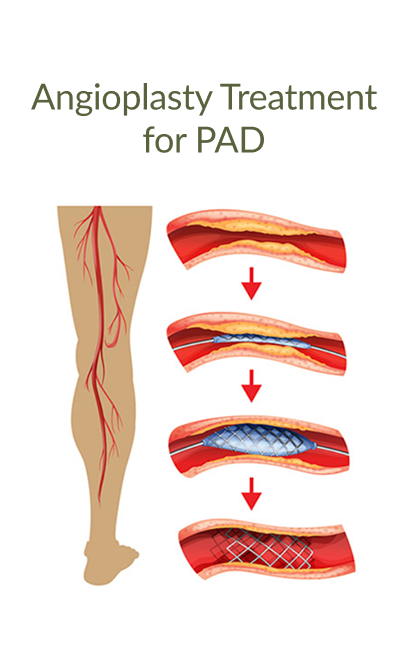
Modern PAD treatment focuses on restoring blood flow through endovascular (catheter-based) procedures that avoid large incisions and lengthy recovery.
- Angiography
A precise imaging technique using contrast to map areas of blockage.
- Balloon Angioplasty
A small balloon is inflated inside the blocked artery to widen it and restore blood flow.
- Atherectomy
A specialized device removes plaque from the arterial wall to improve flow and reduce the likelihood of re-narrowing. - Stenting
A metal or polymeric (BTK stent) scaffold is placed inside the artery to keep it open long-term. - Specialized Limb Salvage Techniques
For severe PAD with ulcers or gangrene, targeted revascularization can salvage the limb and prevent amputation.
All procedures are performed by Dr. Fox using advanced imaging guidance in an outpatient setting when appropriate.
Wound Care for PAD/Venous-Related Ulcers
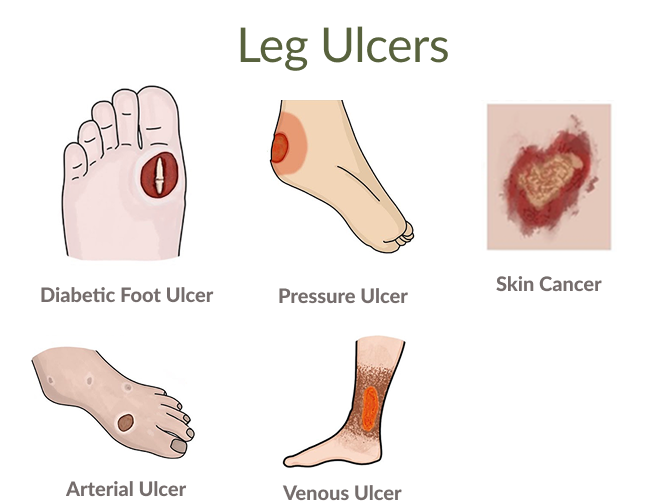
Patients with PAD may develop non-healing foot or toe wounds. Restoring circulation is only one facet of treatment—ongoing wound care is critical.
Our wound care approach includes:
- Close monitoring
- Debridement when needed
- Infection prevention and treatment
- Nutritional assessment and treatment
- Coordination with podiatry and primary care
Healing can often be achieved once proper blood flow is reestablished.
Preventing PAD
Although some risk factors are genetic or age-related, many causes of PAD are preventable or manageable:
Lifestyle & Medical Prevention Strategies
- Control high blood pressure
- Keep cholesterol within healthy ranges
- Manage diabetes aggressively
- Maintain regular physical activity
- Quit smoking – the #1 most important action (smoking increases PAD risk 2–6×)
- Maintain a healthy diet and weight
Dr. Fox provides guidance on optimizing vascular health both before and after treatment.
PAD Risk Factors
PAD becomes more common with age and in certain populations:
- Age 60+
- Diabetes
- Smoking
- High cholesterol
- High blood pressure
- Family history of vascular disease
- Higher incidence among African American and Hispanic populations
PAD affects men and women equally, although symptoms may differ.
A consultation with Dr. Fox—including diagnostic ultrasound and a review of imaging studies—is the best way to determine candidacy.
Why Choose Dr. Fox for PAD Treatment in New York City?
Board-Certified Vascular Surgeon
Expertise in complex arterial disease and minimally invasive limb-salvage procedures.
Advanced In-Office Diagnostic Laboratory
Immediate, accurate testing for same-day diagnosis.
Minimally Invasive Treatment Philosophy
Most cases are treated without open surgery.
Personalized, Evidence-Based Care Plans
Every patient receives a tailored vascular strategy.
Commitment to Limb Preservation
Early detection and proper treatment reduce amputation rates.
Frequently Asked Questions
- Is PAD dangerous?
Yes—left untreated, PAD can lead to severe pain, ulcers, infections, and possible amputation. It is also linked to heart attack and stroke risk.
- Is PAD curable?
PAD is manageable. Treatments restore blood flow, reduce symptoms, and prevent progression. - Does PAD only affect older adults?
PAD becomes more common with age, but smoking and diabetes can cause it earlier. - Will I need surgery for PAD?
Most patients benefit from minimally invasive procedures like angioplasty or atherectomy instead of open surgery. - How soon will I notice improvement after treatment?
Many patients feel relief from rest pain and claudication immediately following revascularization.


Schedule a Consultation
If you are experiencing leg or foot pain, numbness, non-healing wounds, or reduced walking distance, don’t wait—PAD is most treatable when caught early. Schedule your consultation with Dr. Fox to assess circulation and determine the best course of action.
We Accept Most Insurances
We work with most major insurance providers. Contact us to confirm coverage.